The Complete Guide to RAAC
What Reinforced Autoclaved Aerated Concrete is, how to tell if your building contains it, what the risks are and the practical options for managing it. Written by the team who survey, design and deliver RAAC remediation.
What is RAAC?
Reinforced Autoclaved Aerated Concrete is a lightweight, precast concrete that was widely used in UK roofs, and sometimes floors and walls, from the 1950s to the mid-1990s. It is much weaker than traditional concrete and more vulnerable to water.
RAAC is made without coarse aggregate. Aerating agents create millions of small air bubbles as it cures, giving the material its light weight, good thermal performance and distinctive bubbly texture. It was usually supplied as factory-made planks, reinforced with steel bars, and lifted into place quickly. That speed and low cost made it popular for the large post-war building programmes.
The structure that makes RAAC light also makes it porous and far less strong than ordinary reinforced concrete. Its condition depends heavily on how it was designed, made, installed and maintained.
Where RAAC is most often found
- Flat roofs, especially large spans in schools, colleges, hospitals and public buildings
- Commercial, industrial and retail premises built or extended between the 1950s and the mid-1990s
- Less often, floors and wall panels, including in some defence and residential buildings
How RAAC became a national issue
RAAC is used widely across UK public and commercial buildings until the mid-1990s.
Building Research Establishment studies raise concerns about long-term durability.
A primary school flat roof in Kent collapses at a weekend, with no one inside.
The Standing Committee on Structural Safety issues an alert on RAAC plank failures.
The Department for Education changes its approach for schools in England and RAAC becomes a national concern.
Why RAAC is a risk
RAAC loses strength when water gets in, its reinforcement can corrode and panels can sag over time. Where a panel has too little bearing at its supports, it can fail with little or no warning.

Water ingress
RAAC is porous. Roof leaks, ponding and condensation let moisture in, weakening the material and speeding up deterioration.

Reinforcement corrosion
The steel bars inside each panel can rust once moisture reaches them, reducing the panel's capacity to carry load.

Creep and deflection
Panels can sag gradually under load. Sagging lets water pond, which adds weight and accelerates the problem.

Poor bearing
Where panels sit on too little support, or edges were cut on site, failure can be sudden. This is the most serious risk.
Warning signs to look for
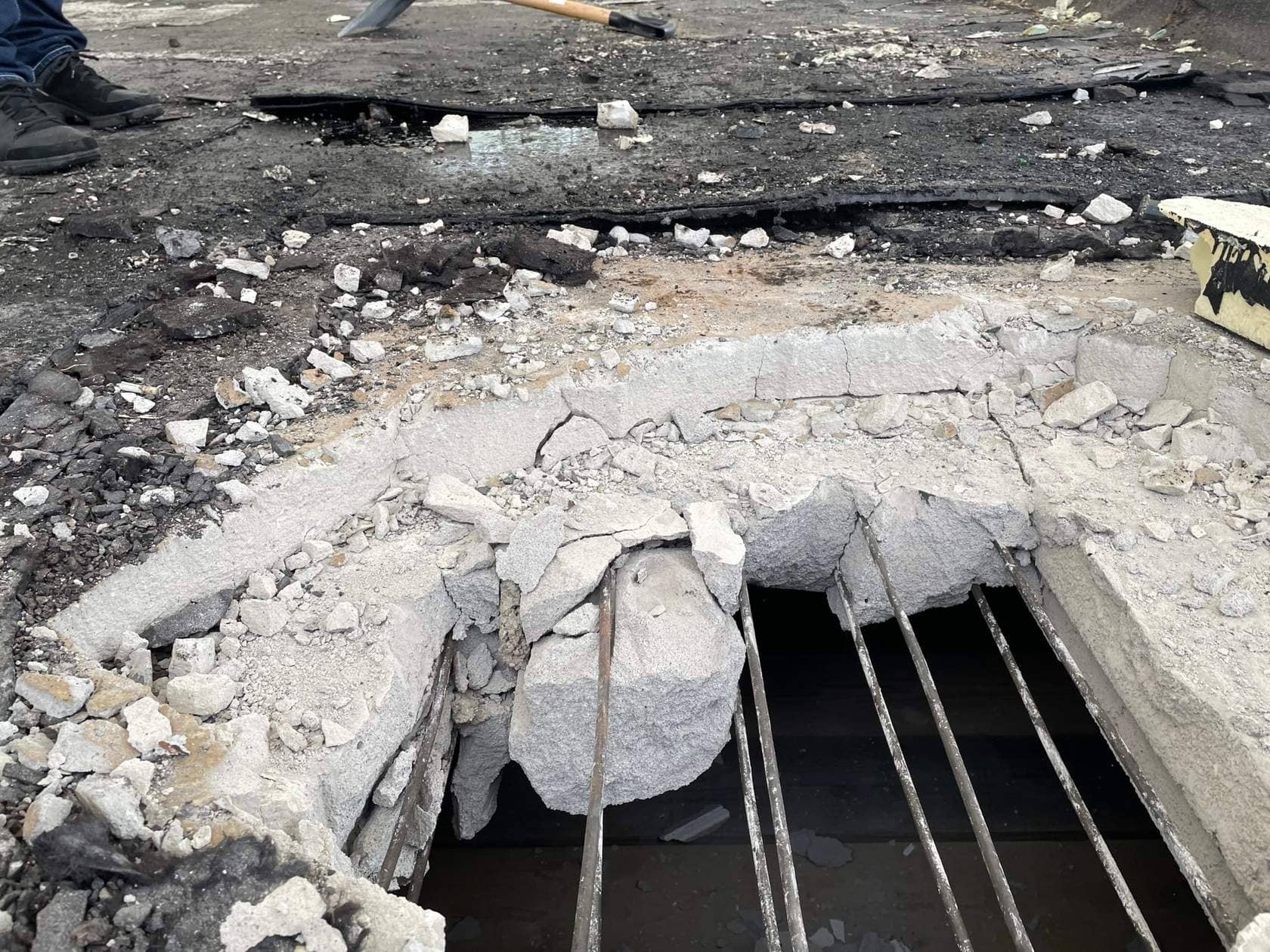
- Cracking across or along roof or floor panels
- Visible sagging or deflection in ceilings and soffits
- Water staining, damp patches or ponding on the roof above
- Spalling, crumbling or exposed reinforcement
- Panels that appear to have moved at their supports
If you see these signs, restrict access below and get specialist advice promptly. Not all defects are visible, so an absence of signs doesn't mean RAAC is in good condition.
You may see RAAC described as having a 30-year lifespan. IStructE says there is no specific data to support that figure: performance depends on how the panels were made, installed, loaded and maintained, and on water ingress. What matters is the condition of each panel, so bearing, cracking, deflection and water ingress all need checking.
How to tell if your building has RAAC
You can't confirm RAAC from a building's age alone, and ceilings or finishes often hide it. A desk review, a visual inspection and, where needed, a targeted intrusive investigation by a competent specialist is the reliable way to know.
Check the building's history
Was the building, or an extension, built between the 1950s and the mid-1990s? Gather original drawings, specifications, condition surveys and any previous RAAC assessments.
Look for the typical features
Where panels can be seen from below or from a roof void, RAAC commonly:
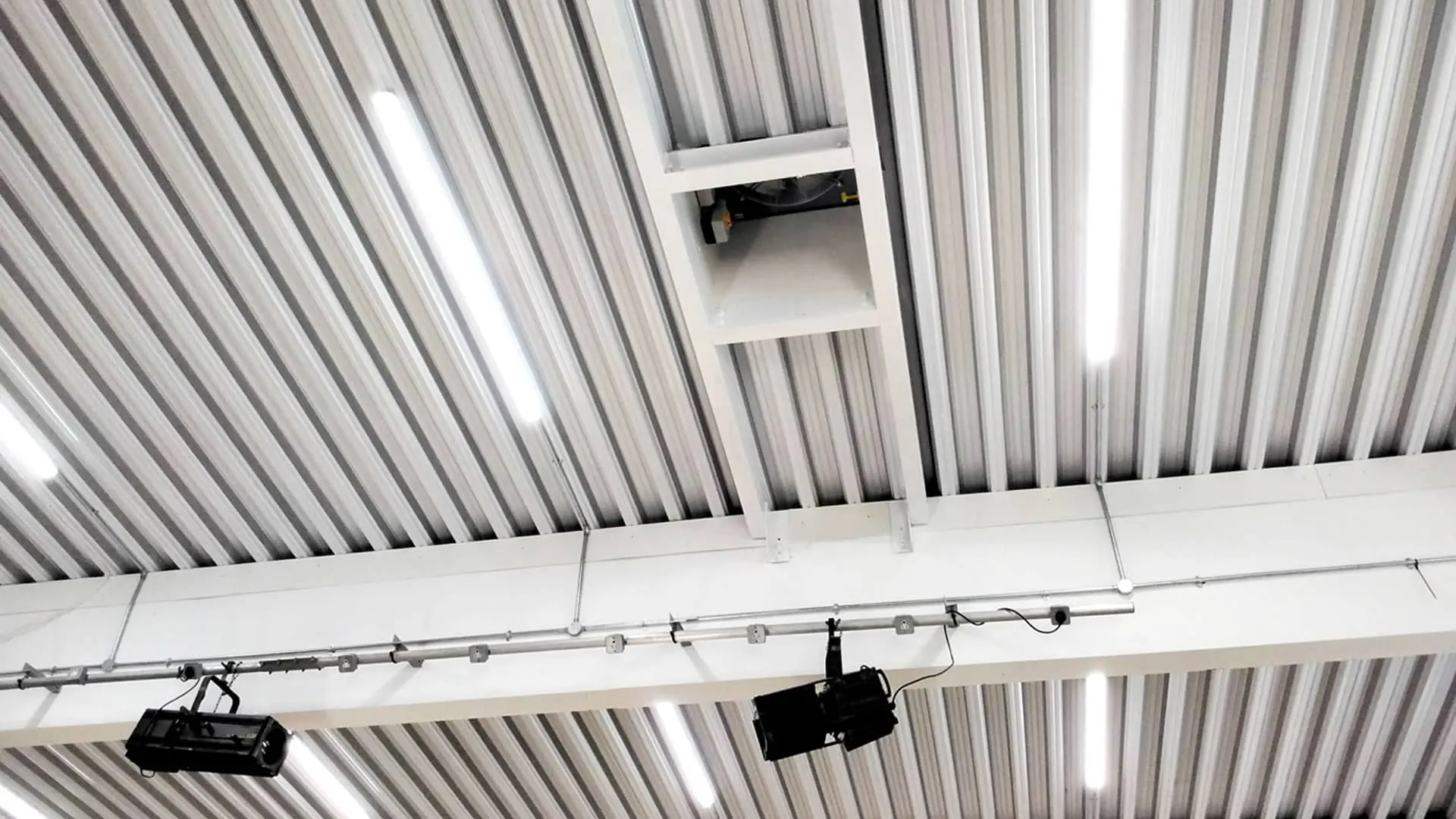
- appears as smooth, light grey or white planks, often around 600mm wide
- has V-shaped grooves where panels meet
- looks bubbly inside, with no visible stones, if a surface is broken

Commission a specialist survey
A survey confirms where RAAC is present, records its condition and checks bearing and reinforcement where needed, so an engineer can assign a risk category.
Explore RAAC Surveys


MARTIN GAUGHAN
BENG (HONS) BUILDING DESIGN & ENGINEERING
DESIGN & TECHNICAL MANAGER
What to do if you suspect RAAC
Act on any signs of distress straight away, then follow a clear sequence. Each step gives you the evidence for the next decision.

Make safe
Where there are signs of distress, restrict access below and consider temporary propping.

Survey
Confirm where RAAC is, its extent and condition, including bearing where needed.

Assess
A structural engineer assigns a risk category to each area and recommends a response.

Plan
Agree a management plan: monitoring intervals, interim measures and any remediation.

Record and review
Keep survey reports and decisions on file and review them on the agreed timetable.

JOE HULLEY
ASSOCIATE DIRECTOR
DESIGN & TECHNICAL
Duty holder responsibilities
If you own, manage or control a building, you are expected to manage the risks it presents. For RAAC, the Health and Safety Executive advises identifying it, seeking specialist advice and putting a management plan in place.
What duty holders should do
- Find out whether RAAC is present, using competent people
- Get specialist advice on its condition and risk
- Put a management plan in place and act on it
- Tell occupants and contractors where RAAC is and any restrictions
- Keep records of surveys, decisions and inspections

RAAC Management: Duty Holder Guidance and Checklist
A concise companion to this guide for building owners, duty holders, architects and property professionals. It sets out five priorities, from confirming the material and its condition to keeping the golden thread of information, with a quick reference checklist to work through for each building.
Guidance by sector

Schools and colleges in England
Follow the Department for Education's RAAC guidance for responsible bodies.

NHS and public estate
Organisations have run their own identification and management programmes.

Commercial and industrial
The general duty to manage risk applies, alongside insurer and lender requirements.

Across the UK
HSE guidance applies in England, Scotland and Wales, with HSENI covering Northern Ireland. The devolved governments run their own programmes for schools and public buildings.

JOE FAY
MCIOB MIOR MAPM
PRE-CONSTRUCTION COMPLIANCE & BUILDING SAFETY DIRECTOR
Remediation options
The survey and engineering assessment decide the response. Lower-risk RAAC may be monitored, some can be strengthened, and high-risk or deteriorated panels are removed and replaced.

Monitor and manage
When: panels in good condition with adequate bearing.
Involves: regular inspection, keeping water out and recording any change.

Strengthen
When: bearing or capacity is limited but panels can stay with support.
Involves: engineered supports or bearing extensions. Scottish Water project
Partial removal
When: high-risk areas sit within an otherwise sound roof.
Involves: removing and replacing the affected panels, often in phases.

Full removal
When: RAAC is widespread, deteriorated or high risk.
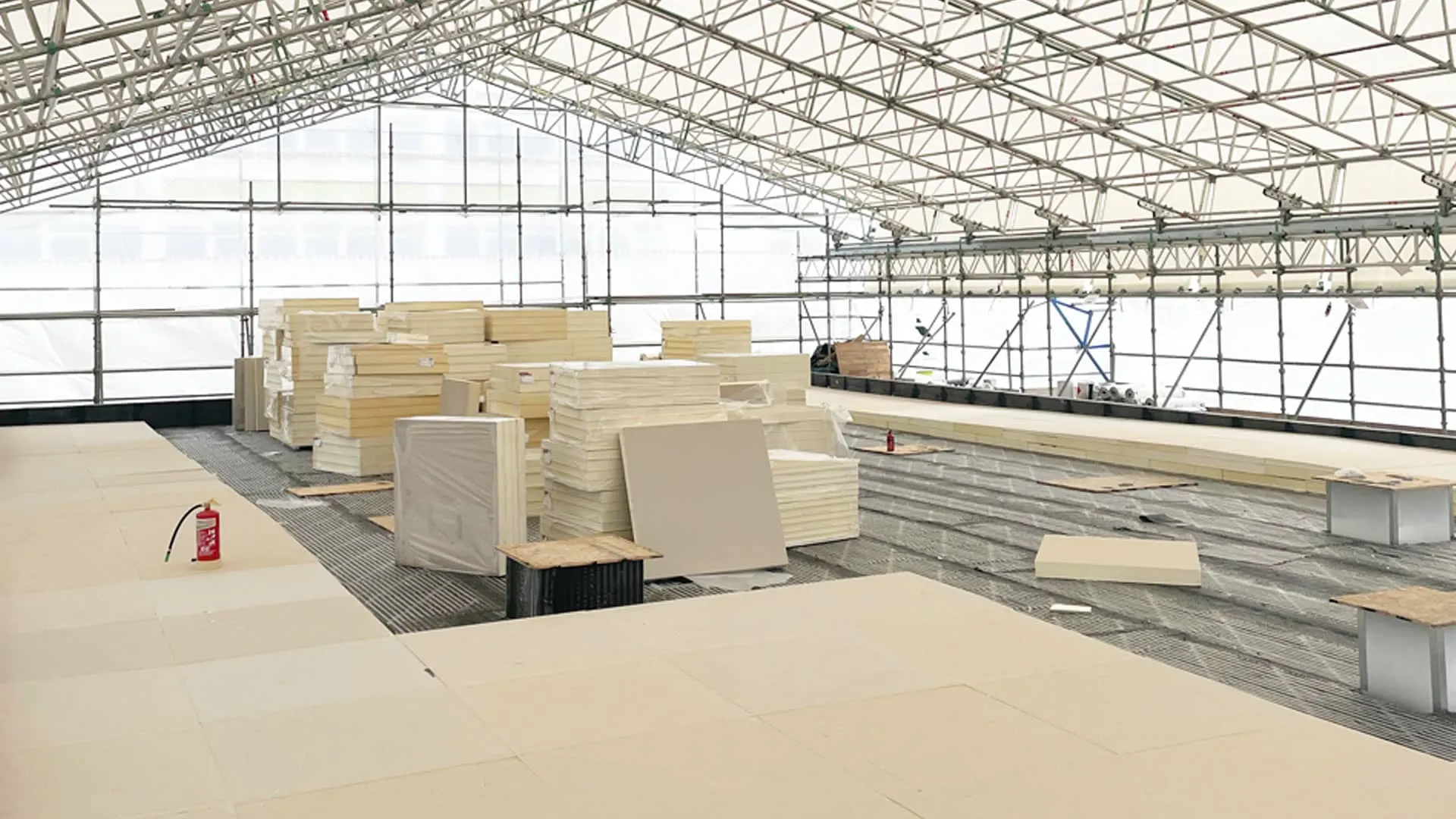
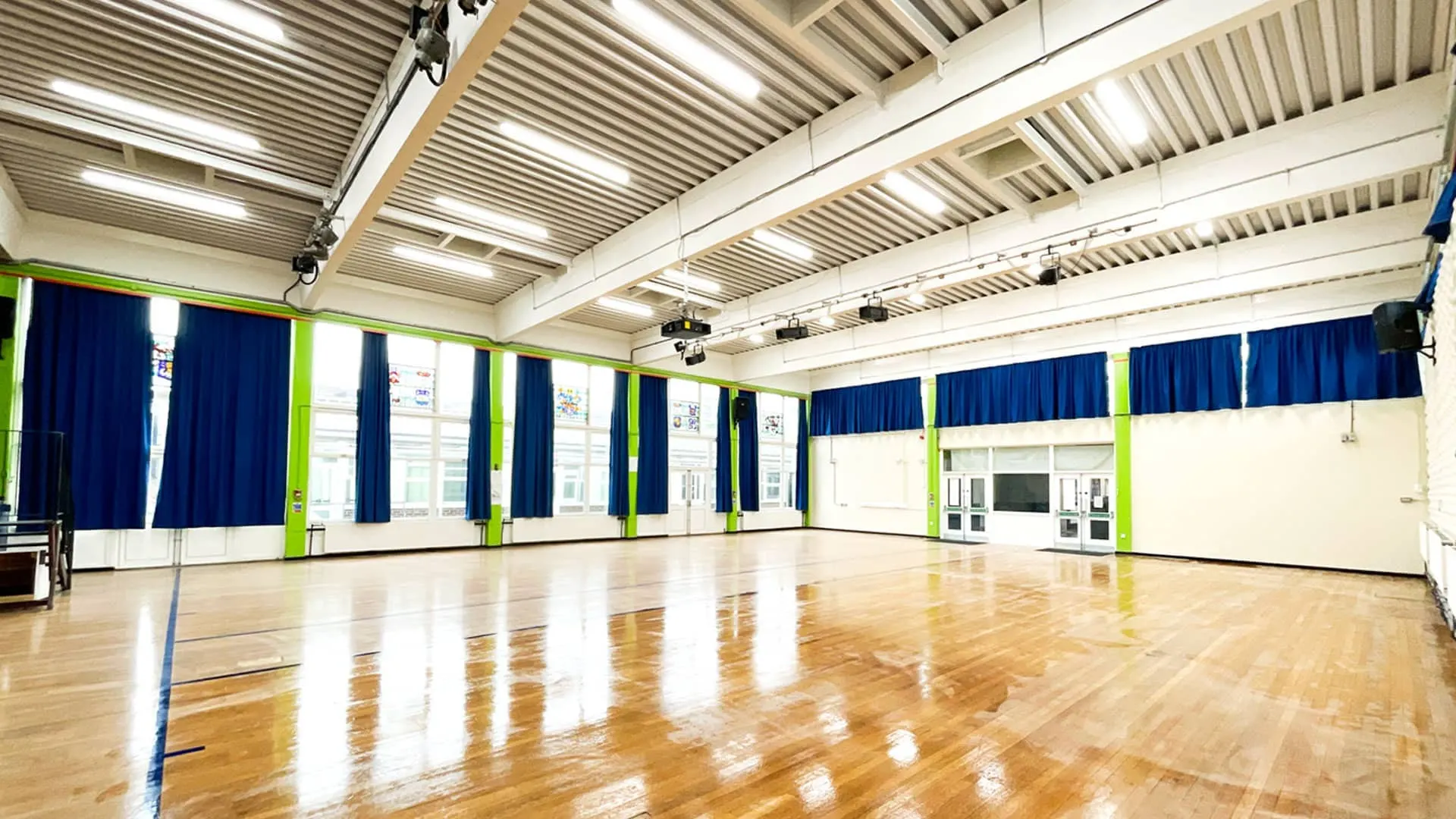
Involves: a temporary roof, removal and a new roof, often with a thermal upgrade. London school project

RAAC and asbestos
Asbestos was used in the same era, so many RAAC buildings contain both. Plan for it from the start: it affects sequencing, programme and cost.
“RAAC and asbestos come from the same era of construction, so we plan for both until surveys show otherwise. Having our licensed asbestos team working alongside the RAAC design means the sequence is agreed before work starts.”
Planning remediation: time, cost and disruption
Time and cost depend on the size of the building, the extent of RAAC, access and how the building must keep operating. Budget for the unexpected and plan communication with occupants from day one.
Survey and assessment, depending on size and access.
Design and planning: replacement design, temporary works, procurement and programme.
Remediation works, depending on scale and complexity.
What affects cost
- Roof area and the extent of RAAC found
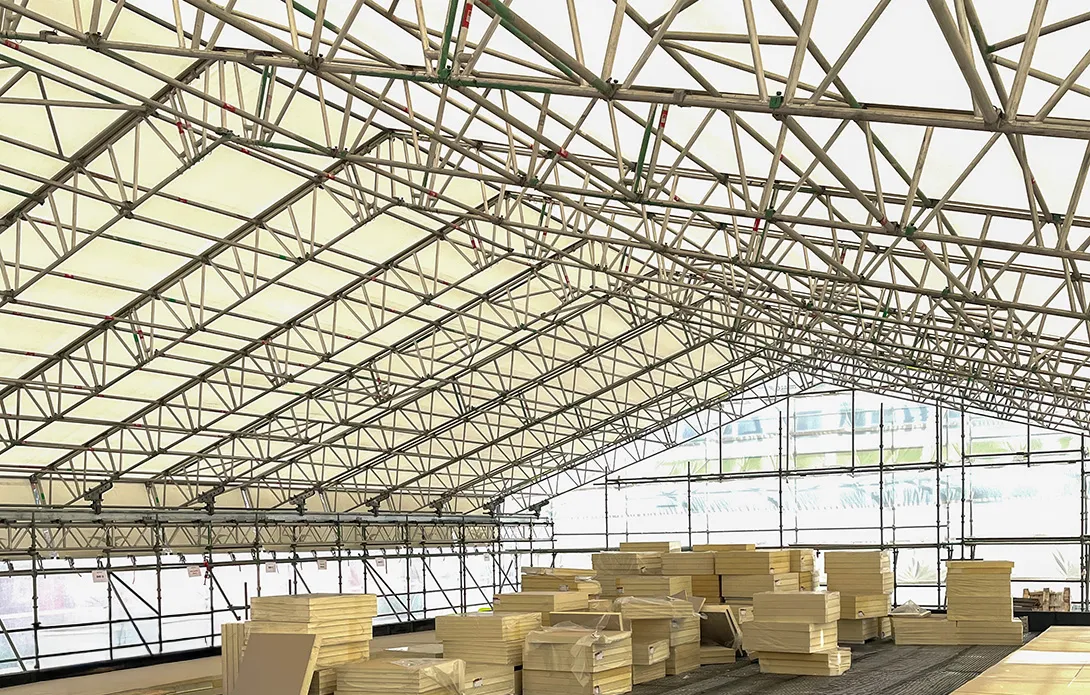
- Temporary works, such as temporary or rolling roofs
- Access, phasing and working around live operations
- Asbestos and other hidden conditions found once work starts
- The new roof specification, including thermal upgrades
Include a contingency, and check whether grants or central funding apply to your sector.
Keeping disruption down
- Schedule the noisiest work for holidays, weekends or quieter periods
- Phase the works so parts of the building stay in use
- Use temporary roofs to keep areas weathertight
A simple communication plan
Explain why the work is needed, the timeline, the safety measures and how disruption will be kept down.
Share weekly or fortnightly updates on progress, milestones and any change to programme or budget.
Confirm what was done, hand over records and set out any ongoing maintenance.
On larger projects, our Resident and Stakeholder Hubs give occupants one place for updates and questions. For more on planning works around the people using a building, read our guide to resident and stakeholder engagement.

NATHAN JESSIMER
CMIOSH
SHEQ DIRECTOR

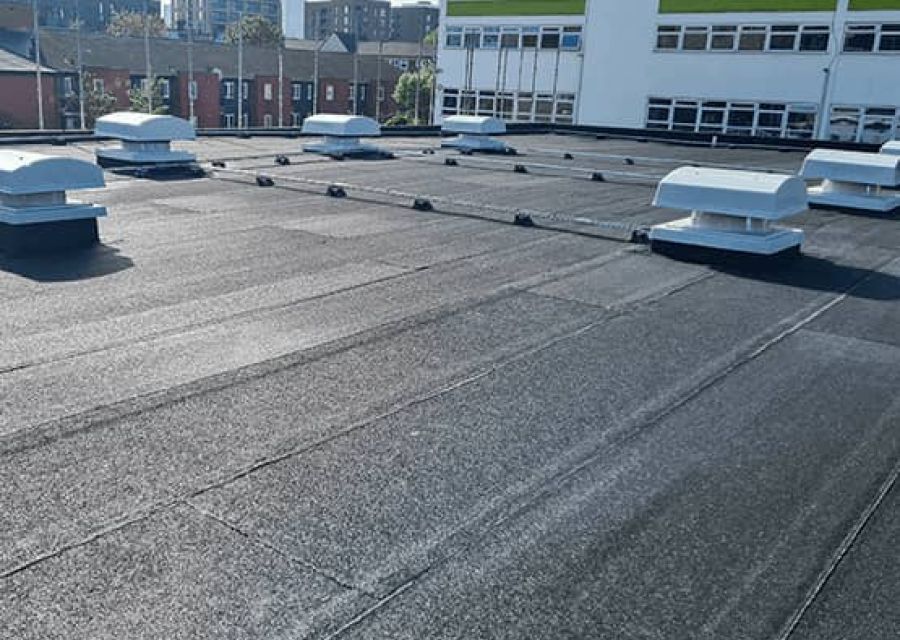
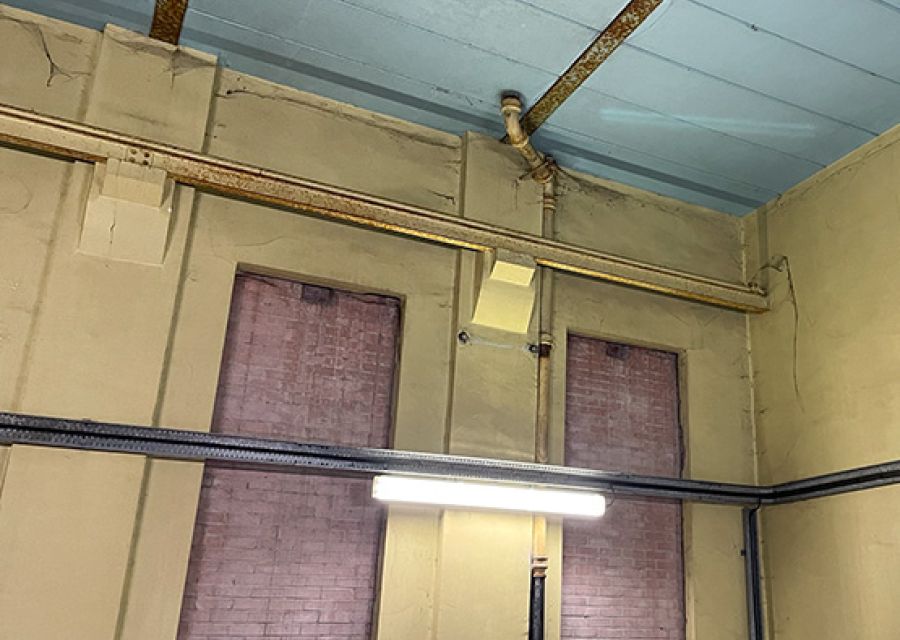
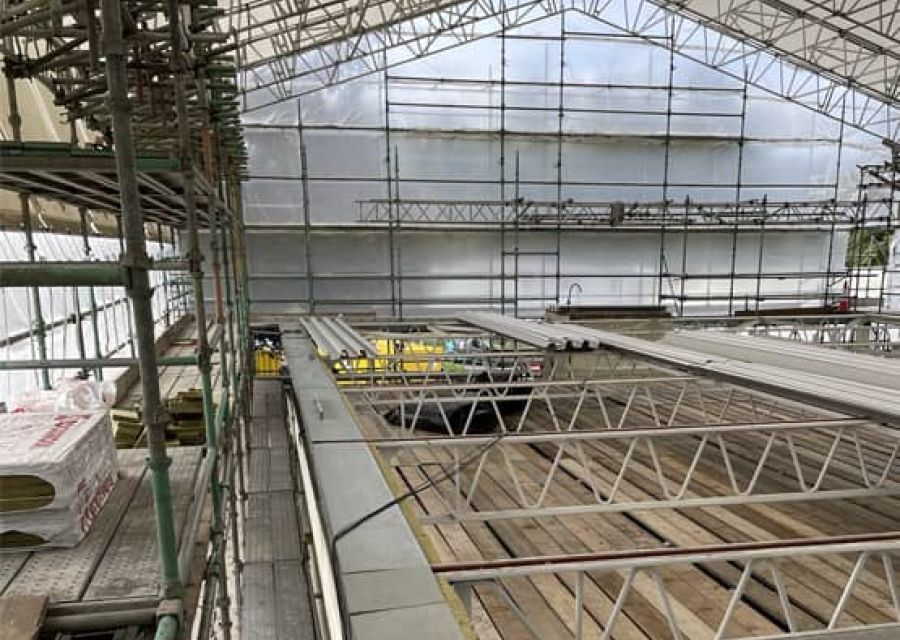

“Of the significant number of schools contacted at the end of August regarding DfE's change in approach to RAAC, your project is the first to have completed the full removal of RAAC.”
“On behalf of the Trust, I want to express our utmost satisfaction with the way this project has been managed. It stands as yet another outstanding example of our ongoing relationship with Starfish Construction and their highly professional team.”

JOHN JESSIMER
MANAGING DIRECTOR
STARFISH CONSTRUCTION
Where are you with RAAC?
Choose the option that best matches your situation and we can point you to the right next step.

Not sure if RAAC is present?
A survey confirms where RAAC is, its condition and the risk it presents.

RAAC confirmed in your building?
We review the findings and set out the options, from monitoring and strengthening to full replacement.

Already have a survey or engineer's report?
Share it with us to discuss strengthening, removal or roof replacement.

Researching your responsibilities?
A practical checklist for building owners and duty holders.

Looking for delivery evidence?
RAAC projects in schools, food production and infrastructure, including occupied buildings.

Planning work in an occupied building?
How we keep residents, staff and stakeholders informed while the work takes place.
Not sure which applies? Tell us about your building and our RAAC team can advise on the next step.
Sources and further reading
- Health and Safety Executive: Reinforced autoclaved aerated concrete (RAAC)
- Institution of Structural Engineers: Statement on RAAC (2023)
- CROSS-UK (formerly SCOSS) safety alert: Failure of RAAC planks (May 2019)
- Department for Education: RAAC guidance for education settings in England
- Starfish Construction: RAAC Management, Duty Holder Guidance and Checklist (PDF)
About this guide
Written by Starfish Construction's Design & Technical team. Technical review by Joe Hulley, Associate Director, Design & Technical and Martin Gaughan, Design & Technical Manager. This guide is general information, not a substitute for a site-specific survey and engineering assessment. Last reviewed October 2026; next review October 2027.