

RAAC in Commercial and Industrial Buildings: Expert Insight
Building owners, asset managers, and surveyors must now understand RAAC, where it is found, and how it is assessed for responsible building management.
To provide some clarity, we interviewed Joe Hulley, Associate Director for Technical and Design at Starfish Construction, to answer the most common and urgent questions about RAAC in roof structures and other building assets.
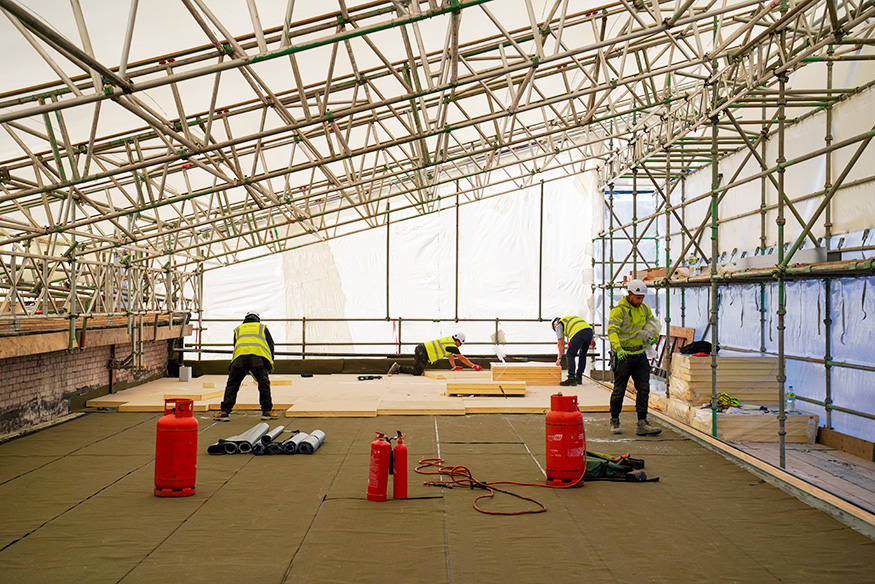
- RAAC is most commonly found in flat and low-pitch roof structures within commercial and industrial buildings, dating from the mid to late twentieth century.
- The presence of RAAC does not automatically indicate immediate risk; condition, loading, and detailing are key factors.
- Professional survey and structural assessment are essential to confirm the presence and understand performance.
- Early assessment supports informed decision-making, cost control, and reduced operational disruption.
- Managed correctly, ageing roof structures can often be stabilised and planned for as part of a wider asset strategy.
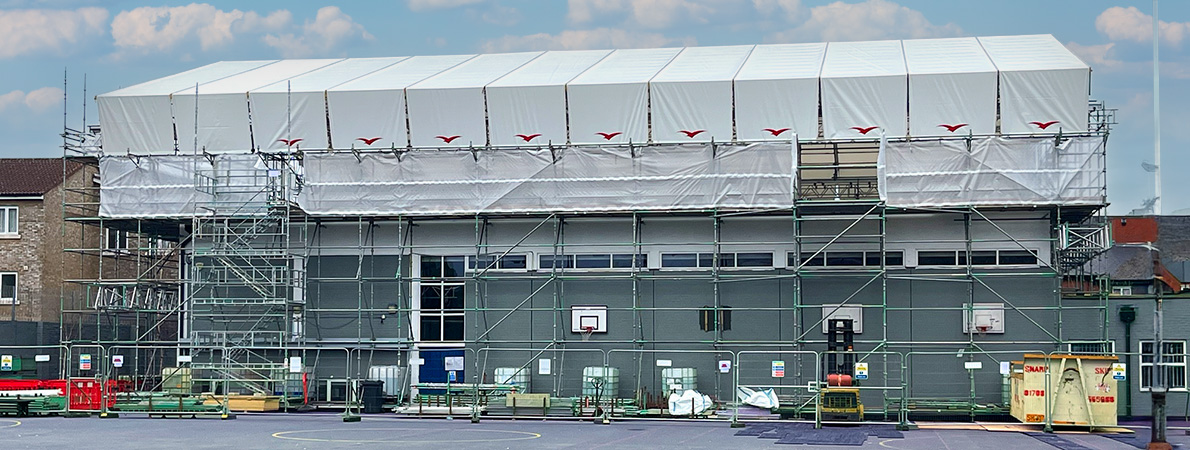
This deterioration can create pathways for moisture, leading to weakening of the RAAC over time. Increased awareness has come from a better understanding of these characteristics, rather than from new defects emerging.

Joe: The starting point is a structured review of the building’s age, original drawings, refurbishment records, and roof construction details. Buildings constructed or altered between the 1950s and 1990s may warrant closer consideration, particularly where flat or low-pitch roof systems are present.
A visual inspection can sometimes identify features that suggest the potential presence of RAAC. However, it cannot be confirmed solely by appearance. Verification requires a carefully planned, targeted, intrusive investigation to confirm the material type and assess its condition, carried out under controlled access and safety arrangements to minimise operational disruption.
We strongly advise against assumptions. A professional survey, supported by structural engineering input where required, provides clarity on whether RAAC is present, how it is performing structurally, and the appropriate course of action.
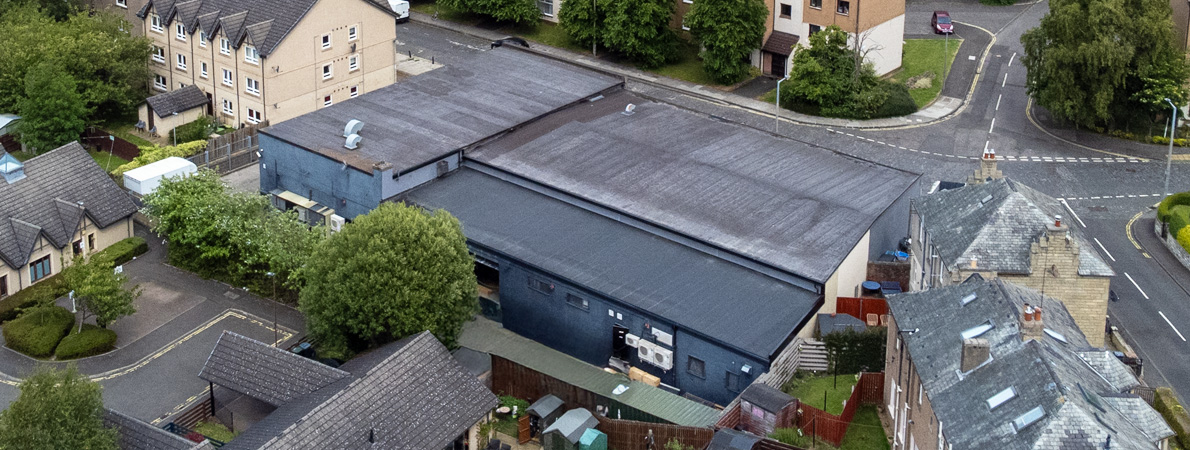
Some RAAC elements, when properly managed, may not require intervention throughout their service life, while others may require immediate action. Rely on evidence-driven assessments rather than decisions swayed by media coverage. Building safety is a very emotive subject, and we take our role in the construction sector extremely seriously, always acting in the public interest, as well as our clients’ interests.


“RAAC is not an issue that can be solved by assumptions. It requires clear understanding, professional assessment, and proportionate decision-making. When building owners take an evidence-led approach, they protect safety, maintain operational continuity, and make better long-term decisions for their assets.”
Joe Hulley
Associate Director for Technical and Design
Starfish Construction
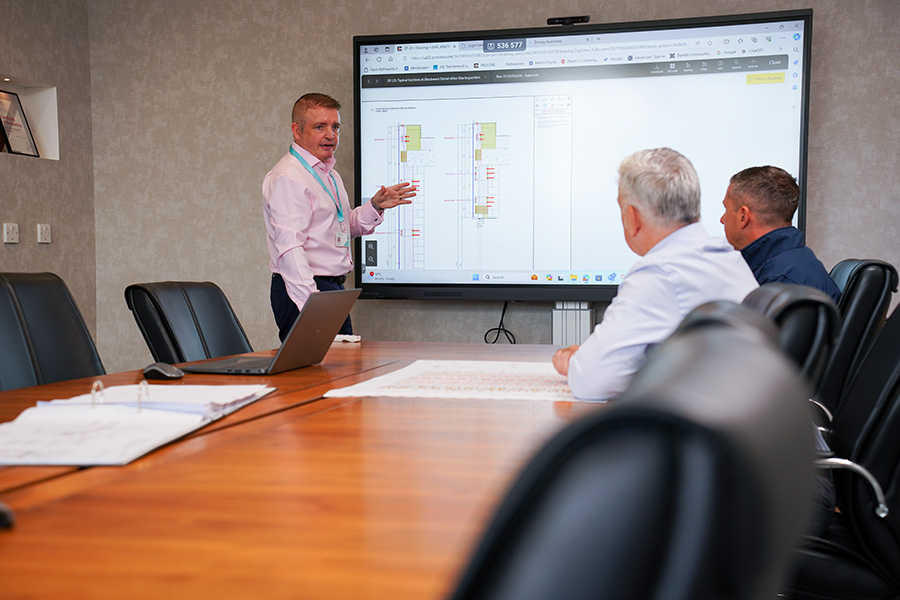
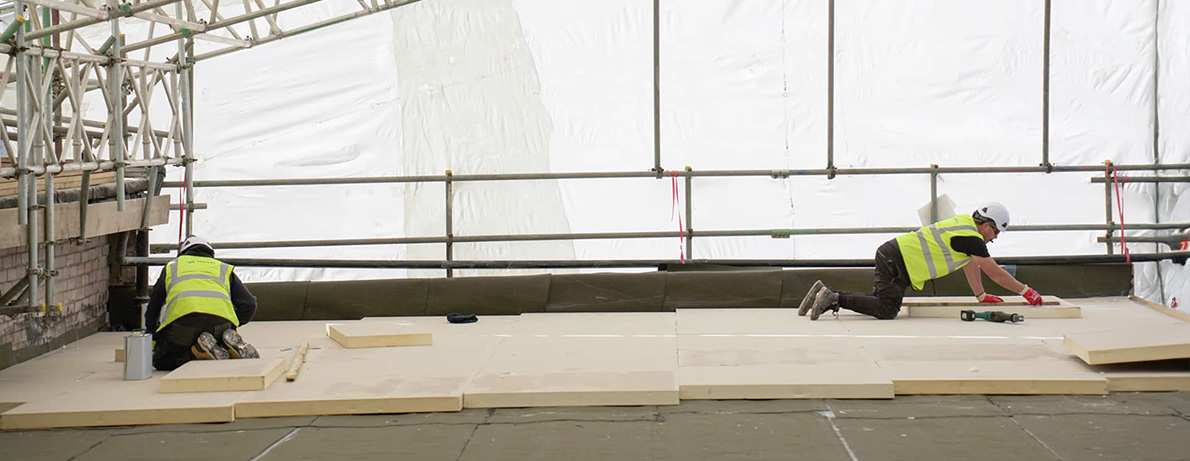
Joe: There is no single solution that applies to every building. Management options include monitoring RAAC for changes, controlling the load the structure carries, strengthening or reinforcing elements to improve stability, encapsulating RAAC to prevent exposure or moisture, or replacing roof sections where necessary.
The correct route depends on the assessment findings and the building's use. Our role is to help clients determine which option best meets their assets' needs, balancing safety and operational priorities. For example, in a recent case study, we completed RAAC strengthening within a Scottish Water operational building, which was selected as the best intervention following a thorough structural evaluation.
Under the Building Safety Act 2022, contractors have a legal duty to ensure that the building work they carry out complies with Building Regulations. This includes an obligation to advise and cooperate with building owners and, where necessary, to pause or refuse to continue work if safety requirements are not being met. While the Accountable Person, typically the building owner, retains overarching responsibility, the Act imposes direct liability on contractors, making building safety a shared, collective responsibility rather than a single-party duty. This has to be a good thing for building safety.
Joe: All duty holders should engage a specialist contractor with demonstrable experience in RAAC assessment and management, such as Starfish Construction, as soon as any potential issues are identified. Early engagement enables systematic and efficient investigation, planning, and remediation. It minimises disruption, supports budget certainty, and allows works to be integrated with other maintenance or refurbishment programmes.
Leaving assessment too late often limits options, increases costs, risks safety, and has an operational impact.

Joe’s Expertise Areas
Where are you with RAAC?
Choose the option that best matches your situation and we can point you to the right next step.

Not sure if RAAC is present?
A survey confirms where RAAC is, its condition and the risk it presents.

RAAC confirmed in your building?
We review the findings and set out the options, from monitoring and strengthening to full replacement.

Already have a survey or engineer's report?
Share it with us to discuss strengthening, removal or roof replacement.

Researching your responsibilities?
A practical checklist for building owners and duty holders.

Looking for delivery evidence?
RAAC projects in schools, food production and infrastructure, including occupied buildings.

Planning work in an occupied building?
How we keep residents, staff and stakeholders informed while the work takes place.
Not sure which applies? Tell us about your building and our RAAC team can advise on the next step.