
RAAC Surveys and Structural Assessment

If you suspect your building contains Reinforced Autoclaved Aerated Concrete (RAAC), or it has already been identified, a professional survey is the starting point. It confirms where RAAC is present, its condition and the level of risk, so duty holders can make informed decisions about monitoring, strengthening or removal.

Our in-house technical team plans and carries out the survey and targeted intrusive investigation, and coordinates the structural assessment with appointed structural engineers. Where asbestos may also be present, our SEAS asbestos team works alongside them.

RAAC surveys are available as a standalone service, with no commitment to remediation.

If RAAC is suspected or has been identified within your building, our specialists can provide advice, surveys and reporting to help you understand the most appropriate next steps. 

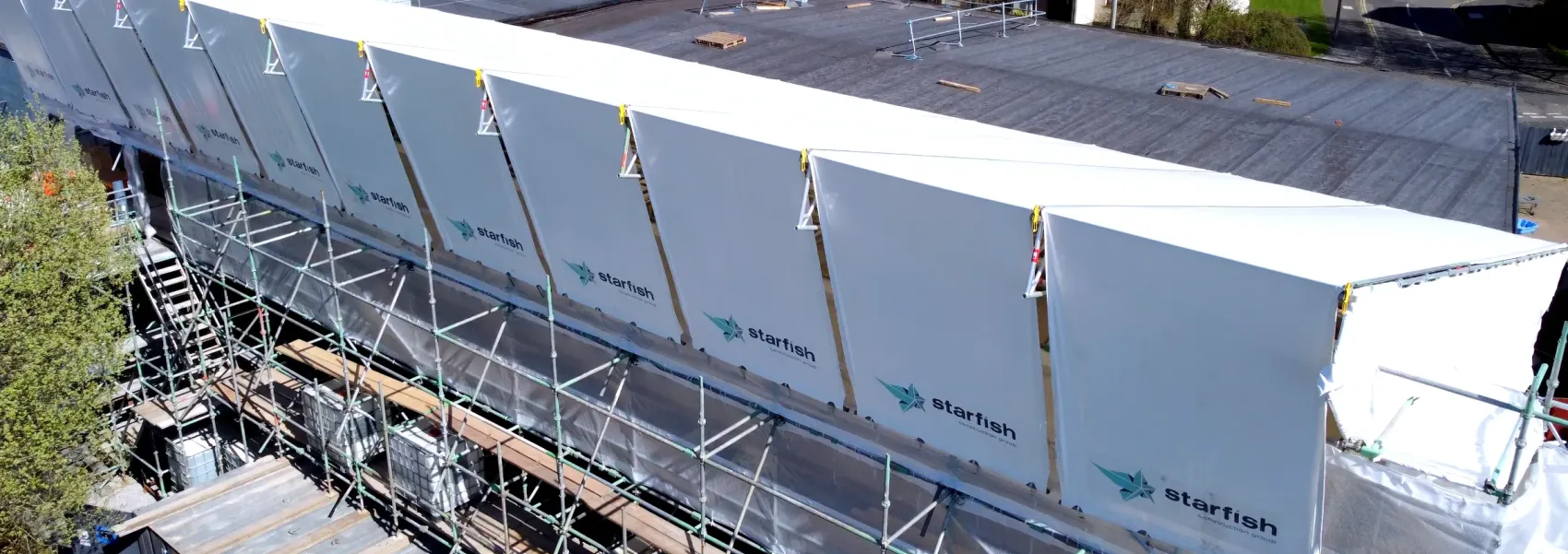
Starfish Construction temporary roof enclosure over a RAAC roof at a food production facility

When You Need a RAAC Survey

RAAC was widely used in roofs, floors and walls between the 1950s and the late 1980s, particularly in schools, hospitals, public buildings and commercial and industrial premises. A survey is advisable if your building dates from this period and its construction has not been confirmed, if RAAC has been reported in similar buildings, or if you have seen signs of concern.

Built between the 1950s and late 1980s

Cracking, sagging or deflection

Water ingress or damp staining

RAAC found in a similar building

What Our RAAC Survey Involves

Each survey is planned around your building, how it is used and what is already known about it.
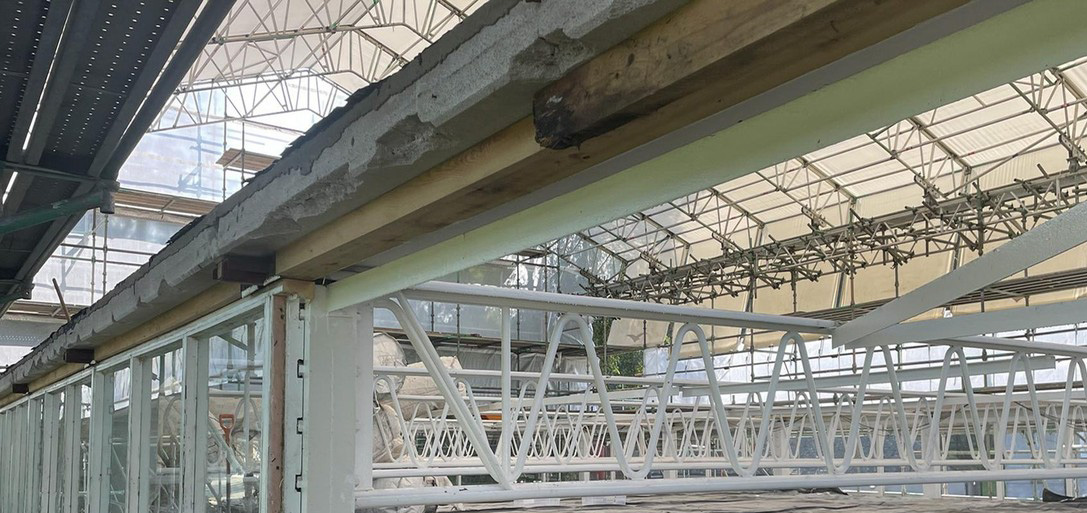
Desk-Based Review during a RAAC survey

Desk-Based Review

Drawings, previous surveys and building history are reviewed to plan the inspection and focus it where it matters.
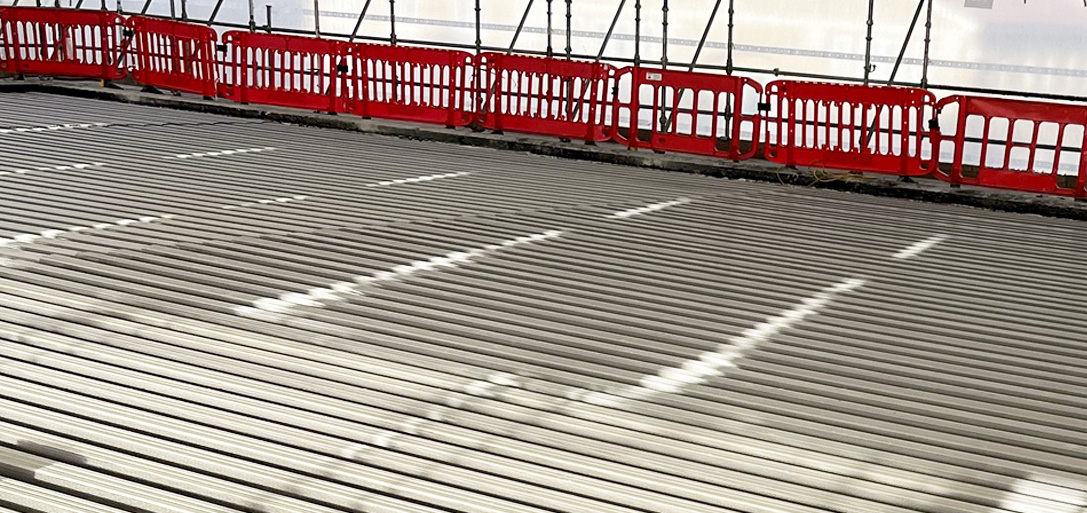
Visual Inspection and Identification during a RAAC survey

Visual Inspection and Identification

Confirms where RAAC panels are present and records their visible condition, area by area.
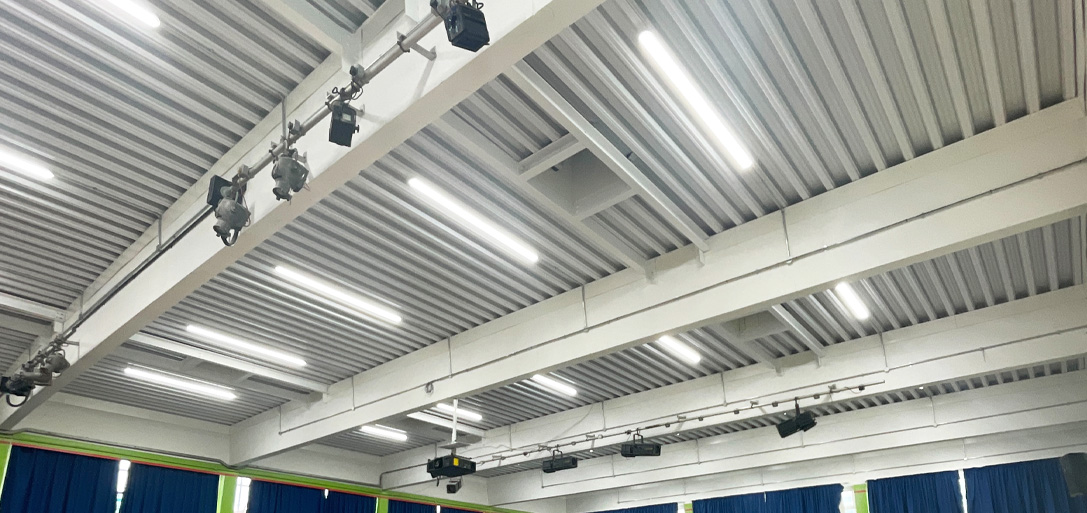
Targeted Intrusive Investigation during a RAAC survey

Targeted Intrusive Investigation

Checks bearings, reinforcement and panel condition where a visual inspection alone cannot confirm them.
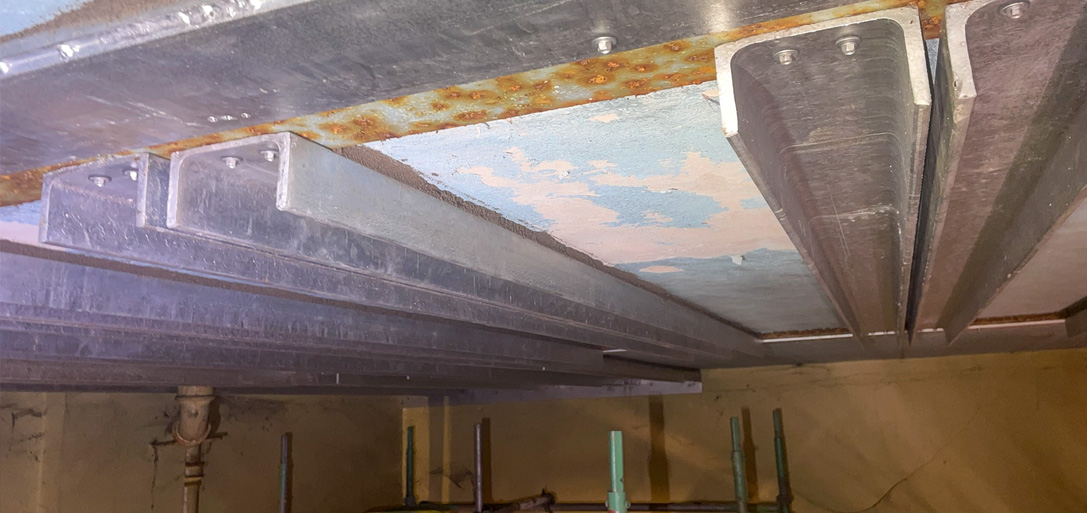
Structural Assessment during a RAAC survey

Structural Assessment

Appointed structural engineers use the survey evidence to assign a risk category and recommend the appropriate response.
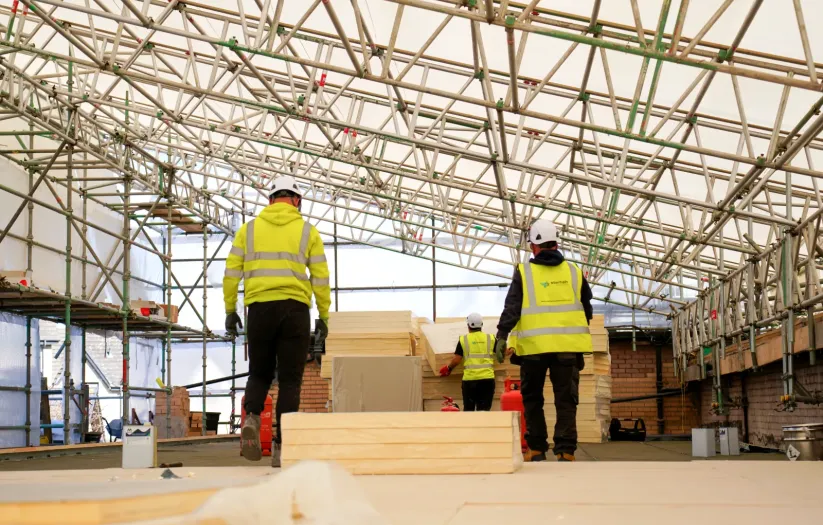
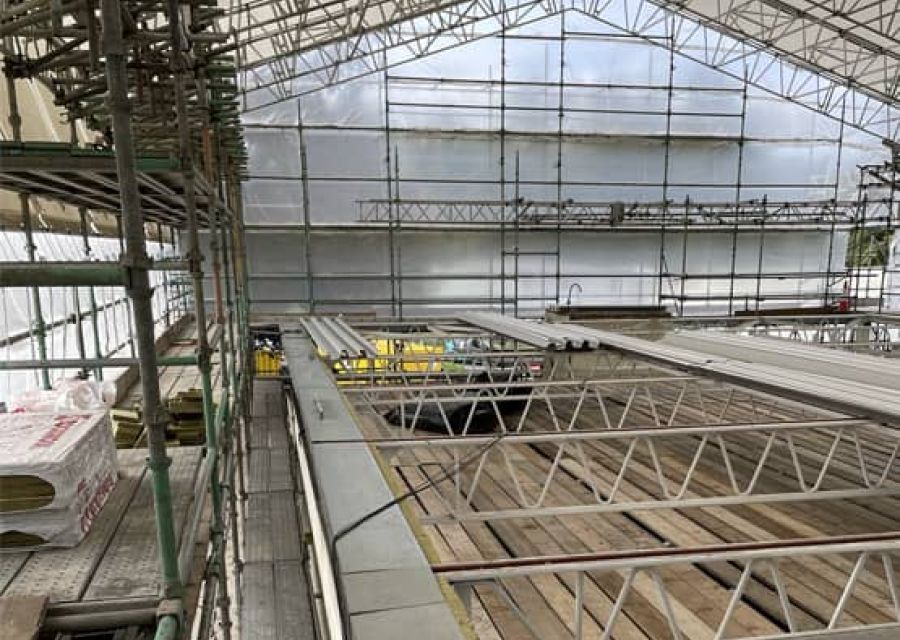
    Starfish Construction operatives working under a temporary roof during RAAC remediation

    What the RAAC Survey Report Gives You

    • The location and extent of RAAC, mapped to your building
    • Panel condition and the defects observed
    • A risk category for each area, with recommended actions
    • Any immediate measures needed, such as temporary support or restricted access
    • Information to support budgeting, programme planning and your duty holder records

    Our RAAC survey work draws on the experience of our Design & Technical team. Read Joe Hulley's expert insight on RAAC in commercial buildings for how we approach assessment.

    From Survey to Remediation

    The survey findings shape what happens next. Because our surveying, design and delivery teams work together, the evidence gathered during the survey carries straight through into the remediation design and programme.

    • High Risk

      Immediate temporary support or restricted access, followed by urgent strengthening or replacement.
    • Medium Risk

      Monitoring or planned strengthening, programmed around how the building is used.
    • Low Risk

      Routine inspection, maintenance and long-term monitoring, with a re-inspection plan.

    graphic showing a graph on an eye glass - decorative

    RAAC Survey and Assessment FAQs

    Commissioning a RAAC survey raises practical questions about access, disruption and what happens next. These answers cover the questions building owners, estates teams and duty holders ask us most often.

    How do I know if my building has RAAC?

    RAAC was mainly used in flat roofs, and sometimes in floors and walls, in buildings constructed between the 1950s and the late 1980s. Appearance alone is not a reliable guide, so a survey by an experienced team is the dependable way to confirm whether RAAC is present and where.

    What is the difference between a RAAC survey and a structural assessment?

    The survey identifies where RAAC is and records its condition, using visual inspection and targeted intrusive investigation. The structural assessment uses that evidence to judge the risk each area presents and the appropriate response. We coordinate both, with appointed structural engineers carrying out the assessment.

    Can a RAAC survey be carried out while the building is in use?

    In most cases, yes. Surveys are planned around how the building operates, with access, timing and any intrusive work agreed in advance to keep disruption low and affected areas safe.

    What happens if the survey finds high-risk RAAC?

    Immediate measures may be recommended, such as temporary support or restricting access to affected areas, followed by a plan for strengthening or replacement. We can design and deliver that work, including full RAAC roof replacement where it is needed.

    How often should RAAC be re-inspected?

    Where RAAC is to remain in place, the re-inspection frequency depends on its condition and risk category. The survey report and the engineer’s recommendations set out the programme for your building.

    Do you check for asbestos during a RAAC survey?

    Asbestos can be present alongside RAAC in buildings of the same era, and intrusive investigation may disturb it. Our SEAS asbestos team can carry out asbestos surveys and sampling as part of the same programme, so the findings are coordinated.

    Explore the RAAC Knowledge Centre

    Access practical guidance, expert insight, Duty Holder resources and completed project experience covering RAAC identification, assessment, management and remediation.

    More on RAAC

    Explore the RAAC Knowledge Centre >

    Think your building may contain RAAC? Speak to our team about a RAAC survey for your building, what it involves and how quickly it can be arranged.