RAAC Knowledge Centre

Supporting Your RAAC Remediation Journey
Whether RAAC has already been identified within your building or you’re seeking to better understand the risks, responsibilities and remediation process, the Starfish Construction RAAC Knowledge Centre brings together our expertise in technical surveying, roofing design, building envelope remediation and RAAC project delivery.
Here you’ll find practical guidance, downloadable resources, expert insight and completed project examples to support informed decision-making at every stage of the RAAC remediation journey.
If RAAC is suspected or has been identified within your building, our specialists can provide advice, surveys and reporting to help you understand the most appropriate next steps.
Included within the RAAC Knowledge Centre:
Whether RAAC is suspected, confirmed or already being managed, the Knowledge Centre brings together practical guidance, technical insight and project experience to support building owners, duty holders, estates teams, surveyors, consultants and other project stakeholders. Explore resources covering risk, assessment, compliance, remediation planning and delivery, and find the information most relevant to your role and current priorities.
Guidance on RAAC and remediation options
A comprehensive interactive knowledge guide
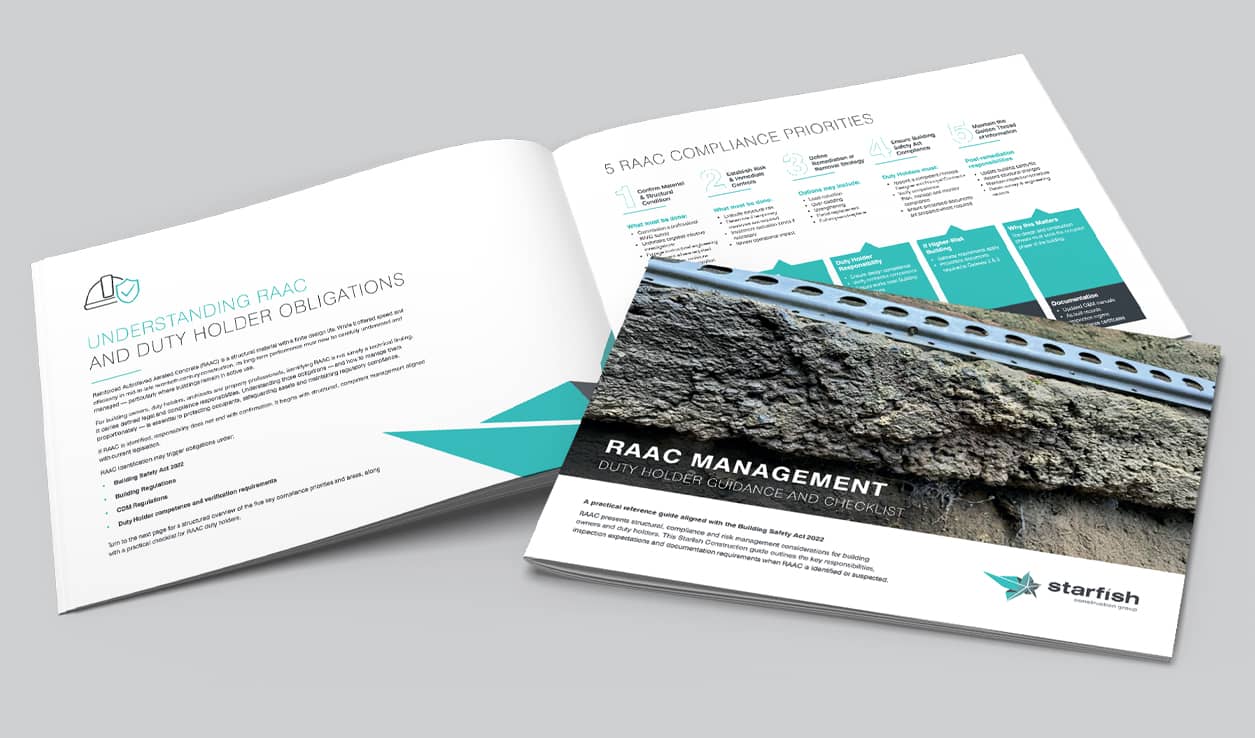
Practical Duty Holder guidance
Expert technical insight
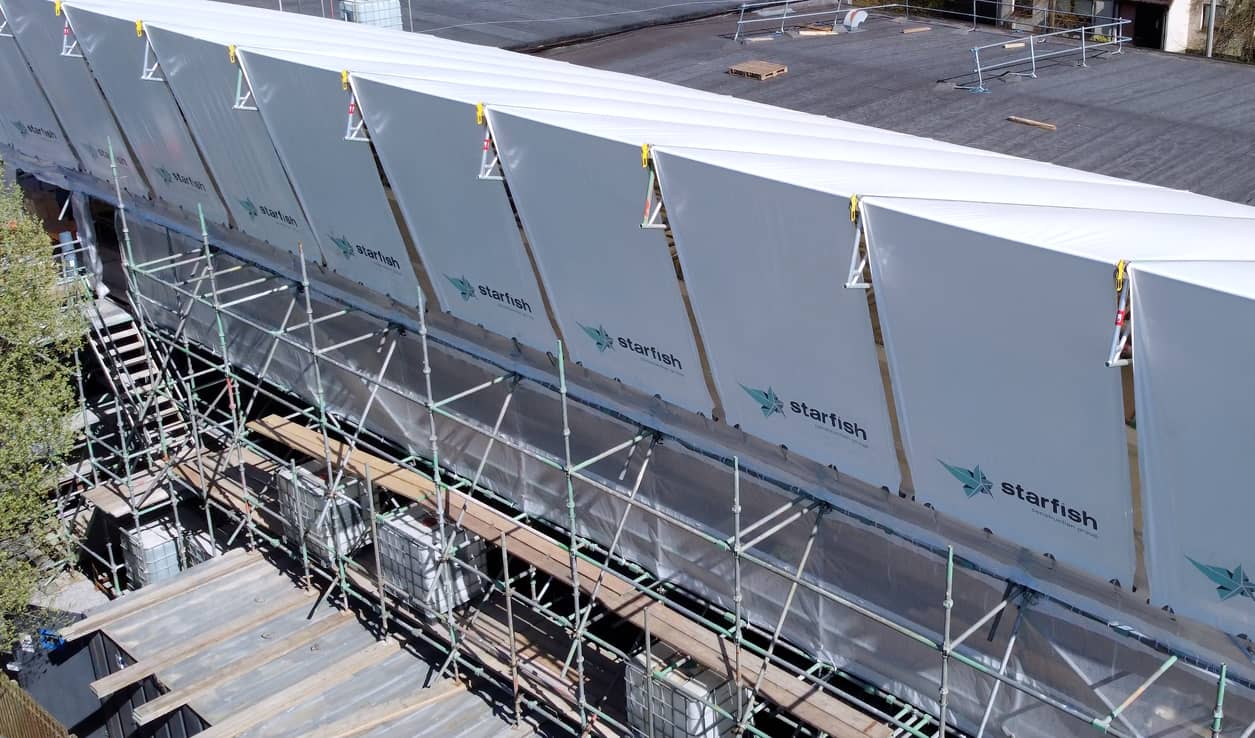
Completed project profiles
Survey-first methodology
Building safety and compliance guidance
Technical support
RAAC Assessment, Remediation and Removal FAQs
RAAC presents a real but manageable risk: if it's identified early and assessed properly. Making the right decision, whether that's monitoring, strengthening or removal, depends on an accurate survey, sound engineering advice, and a clear understanding of who's responsible for what.
The FAQs below answer the questions we're most often asked by building owners, estates teams and duty holders, covering identification, remediation options, Building Safety Act responsibilities and what to expect during a project, helping you plan your next step with confidence.
Reinforced Autoclaved Aerated Concrete (RAAC) is a lightweight concrete used widely in UK public sector buildings, particularly schools, between the 1950s and 1990s. It has a limited structural lifespan and can fail with little warning, which is why the Department for Education and the Building Safety Regulator treat it as a priority risk for duty holders managing education and public estate buildings.
If your building falls within this construction period, identifying and assessing any RAAC planks should form part of your wider building safety management approach.
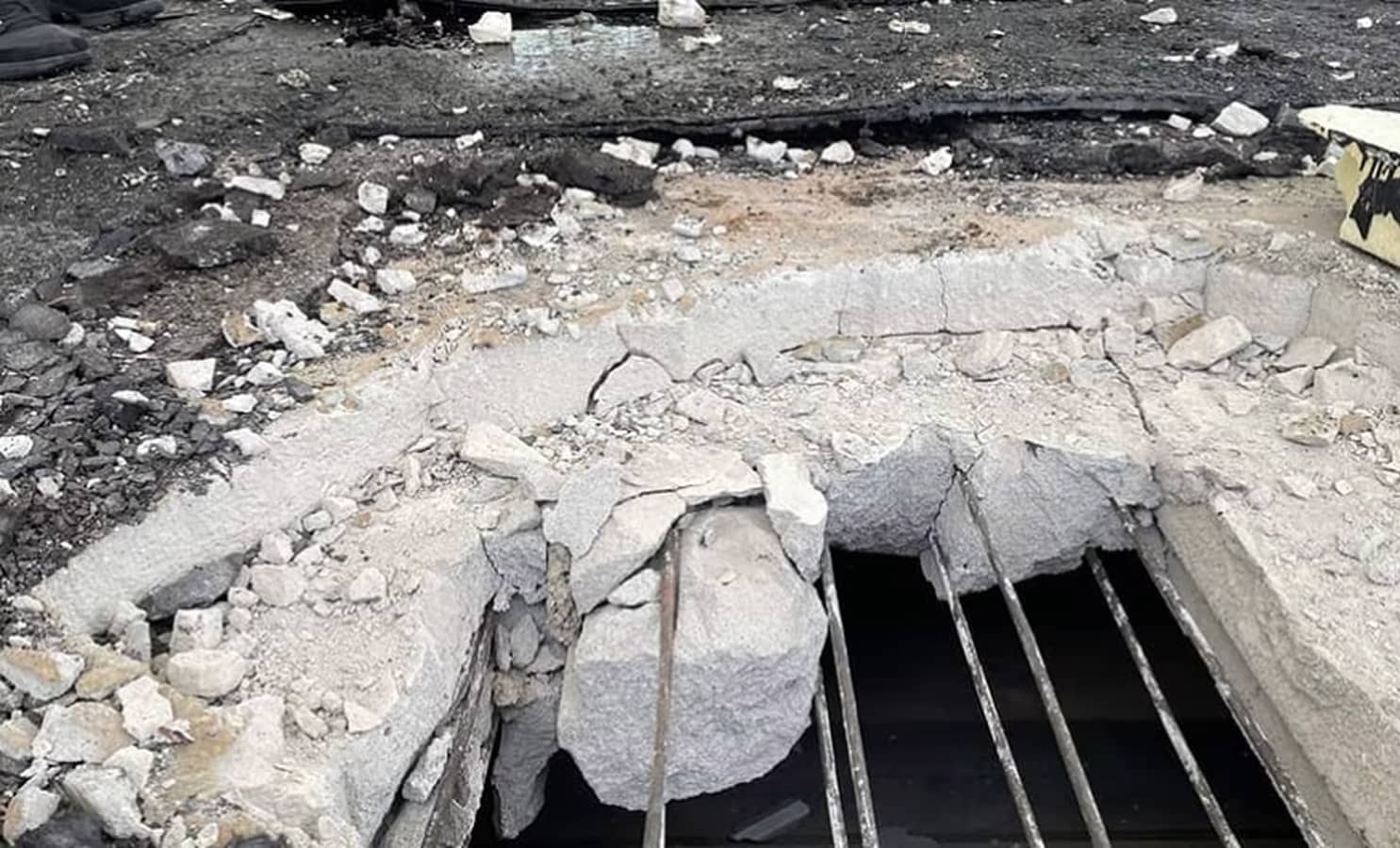
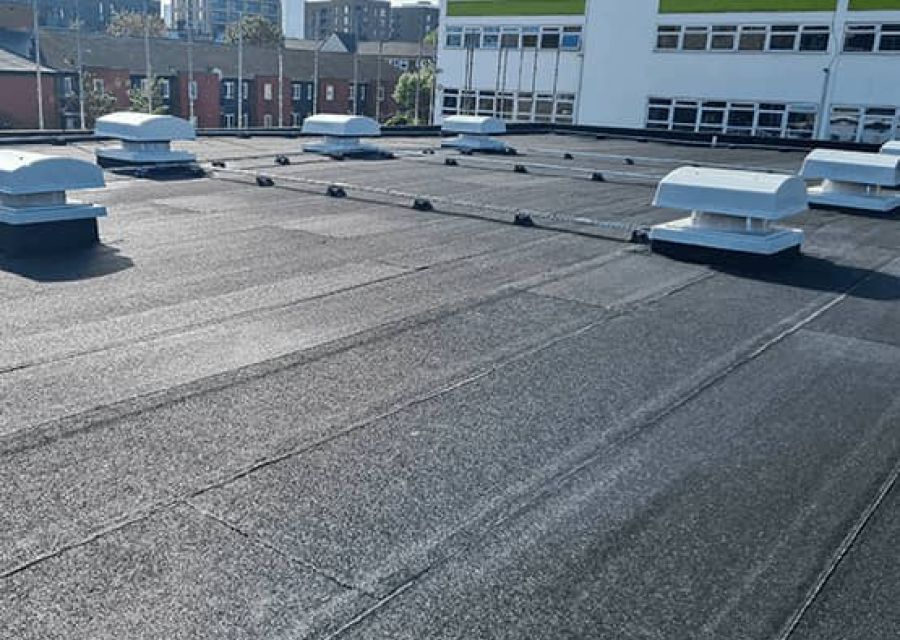
RAAC is commonly found within flat and pitched roofs, walls and floors and in typical construction periods and affected building types. RAAC isn't always visible — panels are often concealed above ceilings or behind existing finishes, so a targeted structural survey is needed rather than a visual check alone. A survey-first approach, assessing plank condition, deflection and bearing before any remediation decision is made, gives duty holders the evidence they need to plan a proportionate next step — whether that's monitoring, strengthening or removal.
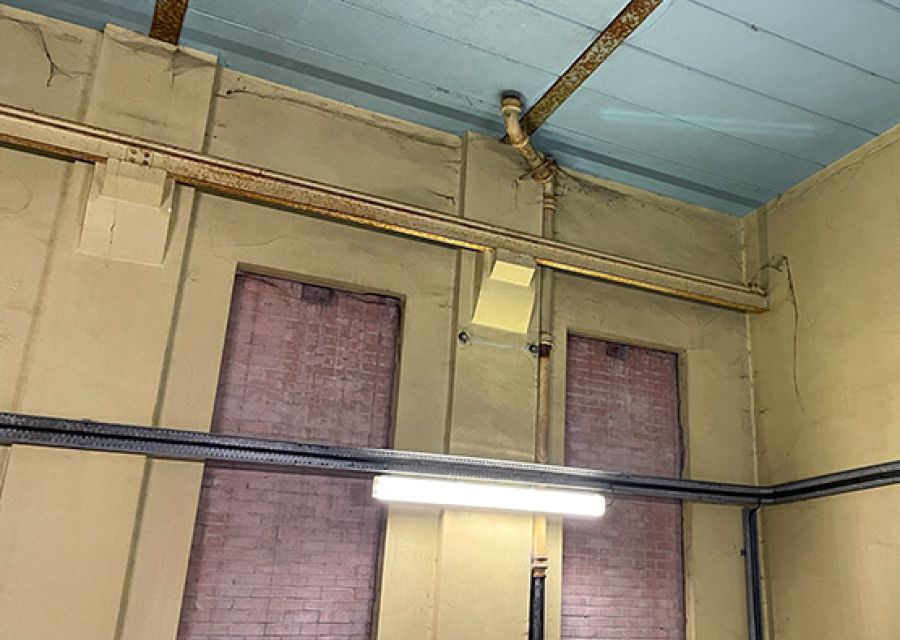
A professional RAAC survey begins with a review of available construction drawings, maintenance records and previous inspection information. The building is then inspected to confirm the presence, location and extent of RAAC, and to assess factors including panel condition, cracking, deflection, bearing lengths, water ingress, corrosion, alterations and additional loading.
Targeted intrusive investigation may be required where important construction details are concealed. Before intrusive work begins, existing asbestos information should also be reviewed and appropriate controls introduced where necessary.
The findings should be assessed by a competent structural engineer. The resulting report should identify the areas inspected, survey limitations, recorded defects, risk priorities and any immediate safety measures required. It should also recommend appropriate next steps, which may include further investigation, monitoring, temporary works, strengthening, controlled removal or complete replacement.
A clear survey report provides building owners and duty holders with the evidence needed to manage risk, plan proportionate action and develop an informed remediation strategy.
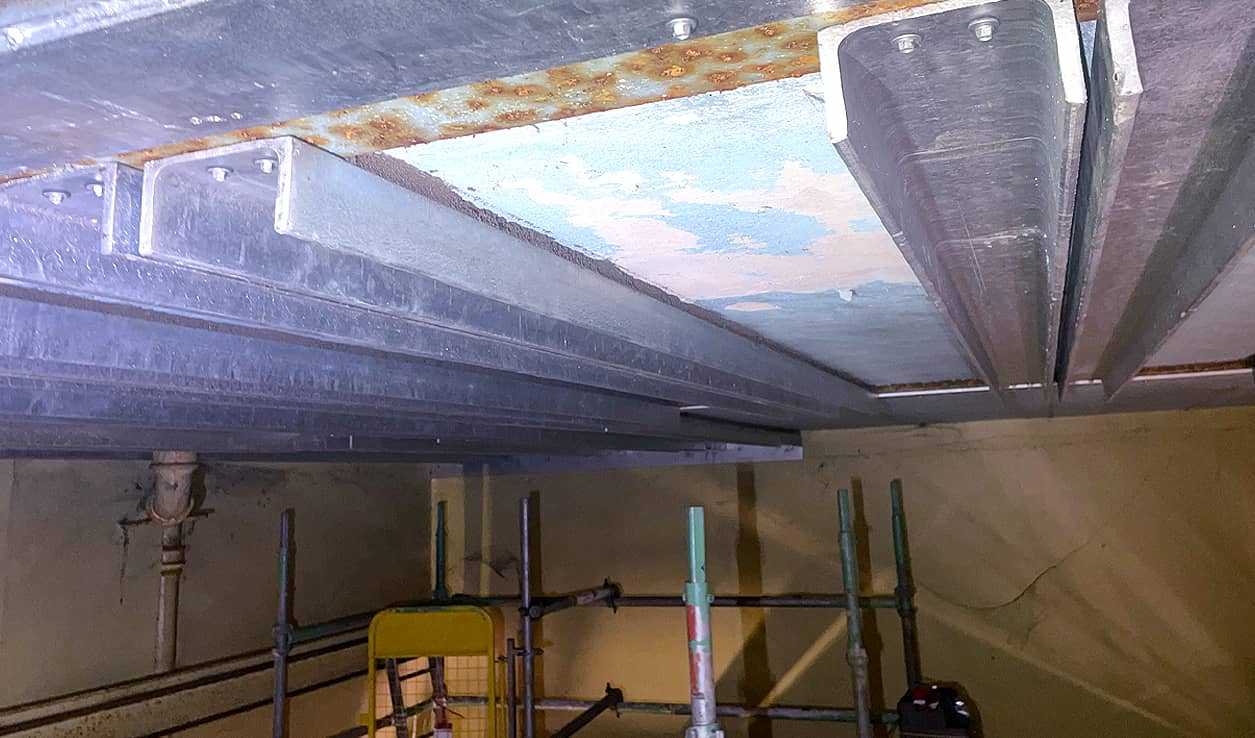
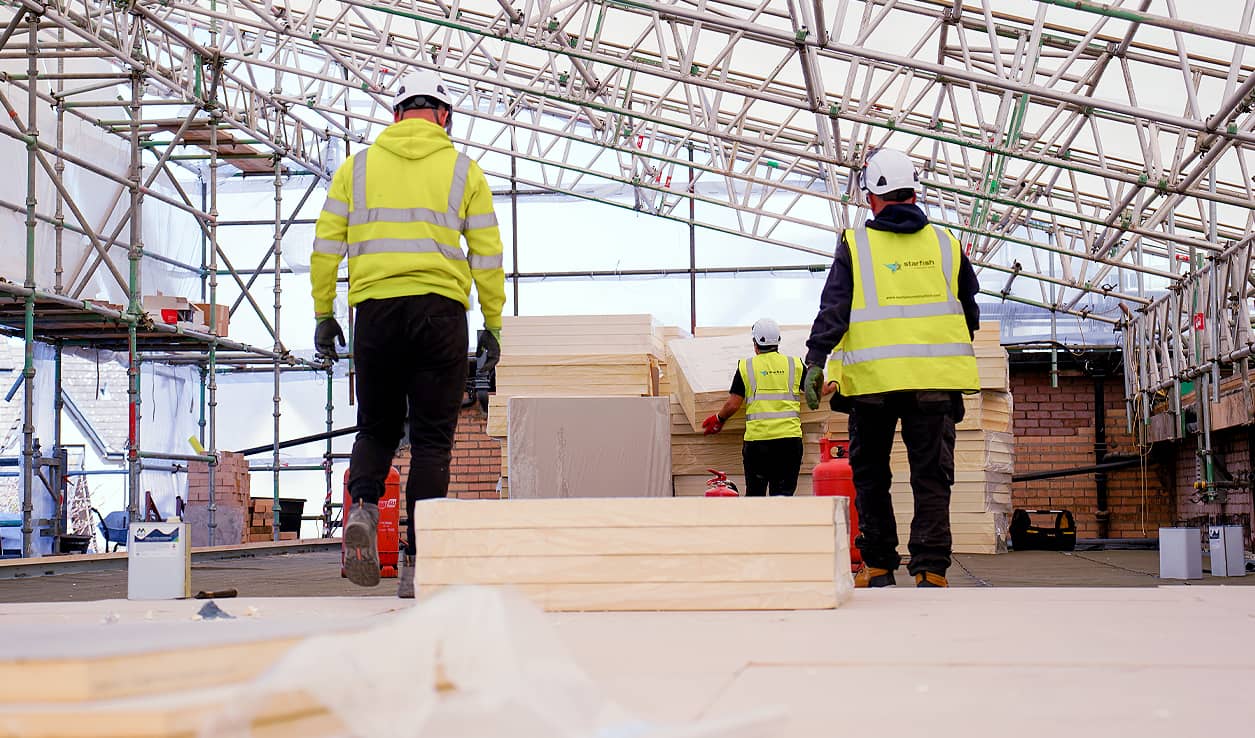
RAAC remediation covers the full range of responses to a confirmed risk — from temporary propping and structural strengthening through to partial or complete replacement. RAAC removal refers specifically to taking the affected material out and replacing it with a modern structural solution.
Which route is appropriate depends on the plank condition, the building's use, and how the space needs to continue operating. Starfish has delivered both: strengthening works for Scottish Water, and complete removal in the education sector.
Action should be taken promptly, but the appropriate timescale will depend on the condition of the RAAC, the defects identified and the level of risk established by a competent structural engineer. Identifying RAAC does not automatically mean that a building must be closed or that complete replacement is immediately required.
Where significant cracking, deflection, inadequate bearings, water damage or other serious defects are identified, immediate precautionary measures may be necessary. These could include restricting access, installing temporary support, reducing loading or closing affected areas until further assessment or remediation has been completed.
Where the panels are assessed as lower risk, the recommended response may involve planned remedial work, regular monitoring and measures to prevent further deterioration. The survey report should establish the risk priority, required actions and suitable timescales.
Building owners and duty holders should not delay professional assessment or rely solely on visual checks. The response should be evidence-led, proportionate to the findings and reviewed if the condition of the building changes.
Responsibility sits with the duty holder — typically the Responsible Person or Accountable Person for the building, depending on its use and occupation status. This includes maintaining accurate records as part of the golden thread of information, commissioning appropriate surveys, and acting on the findings within a reasonable timeframe. For education and public estate buildings, this typically involves the Estates Director or Building Safety Manager working alongside their Principal Designer where remediation work is planned.
Yes — this is often a requirement rather than an exception, particularly in education settings where relocating pupils or staff isn't practical. Occupied-building remediation requires careful sequencing, phased working areas, and clear communication with building users throughout. Starfish's school RAAC removal and London school RAAC completion projects were both delivered with this constraint in mind.
Yes — RAAC and asbestos-containing materials were both common in the same construction era, and our SEAS asbestos team has observed a strong correlation between the two on the buildings we've surveyed.
Where this applies, asbestos investigation should be built into the RAAC survey and remediation programme from the outset, rather than treated as a separate exercise once works are underway. This integrated approach avoids delays and additional site mobilisations later in the programme.
Programme length depends on the extent of RAAC identified, whether the building needs to remain occupied, and whether the response is strengthening or replacement. As a survey-first specialist, Starfish scopes an accurate programme once condition and access are confirmed, rather than working to a generic industry timescale.
The Department for Education has funded RAAC remediation programmes for eligible schools, and similar routes exist for other public sector estates depending on the building's ownership and use. Because funding schemes and eligibility criteria are subject to change, duty holders should confirm current routes directly with the relevant department. Starfish has supported a DfE-funded RAAC remediation programme to completion and can advise on how a project is typically structured to align with funding requirements.
Strengthening involves reinforcing existing RAAC planks in situ — typically appropriate where structural condition allows and disruption needs to be minimised, as delivered on the Scottish Water RAAC strengthening works. Full replacement removes the affected material entirely and installs a modern structural alternative — the approach taken on Starfish's school RAAC removal projects.
The right choice depends on plank condition, remaining structural life, and the building's operational requirements; a survey-first assessment should always precede this decision rather than defaulting to full replacement.
Yes. A properly designed RAAC remediation project can address the immediate structural risk while also improving the building’s wider condition, resilience and operational performance.
Depending on the selected solution, the works may include structural strengthening, complete panel replacement, roof renewal, improved insulation, better drainage, repairs to water ingress and upgrades to associated façades or building services. These improvements can enhance thermal performance, reduce the risk of future moisture-related deterioration and extend the useful life of the building.
Remediation also provides an opportunity to coordinate roofing, M&E, asbestos management, access and other essential works within a single programme. This can reduce future maintenance requirements and avoid repeatedly disrupting an occupied or operational building.
The potential benefits will depend on the existing structure, the remediation strategy and the wider project objectives. These should be considered during the survey and design stages so that the chosen solution addresses both the RAAC risk and the building’s long-term performance requirements.
Look for evidence of survey-first assessment, integrated Principal Contractor and Principal Designer capability, and a track record of delivering RAAC works in occupied buildings — particularly in education, where disruption and safeguarding are additional considerations. Ask to see named project evidence rather than generic claims of experience.
Starfish has delivered RAAC strengthening and removal projects across education and utilities, supported by in-house technical surveying and SHEQ oversight. Speak to our team to discuss your building's specific requirements.