

The Complete Guide to Resident and Stakeholder Engagement
How to keep residents, leaseholders, managing agents and duty holders informed and on side when building work takes place in occupied homes, student accommodation and mixed-use buildings. Written by the team who deliver remediation in buildings that stay occupied.
Why engagement matters in occupied buildings
When building work takes place in an occupied building, residents' homes and daily lives are directly affected. Clear, honest and early communication turns people from bystanders into partners, reducing complaints, delays and risk.
Façade remediation, roofing and refurbishment in occupied residential blocks, student accommodation and mixed-use buildings bring scaffolding, noise, restricted balconies, changed access routes and contractors working outside people's windows. Even minor disruption can quickly become major frustration if people do not know what is happening or who to ask.
Poor communication causes stress and conflict and, in some cases, refused access, formal complaints and programme delays. Good engagement builds trust, keeps access to homes on track and gives clients, managing agents and duty holders a clear record of how residents were informed.
We describe our approach as Remediation Together: residents, leaseholders, managing agents, duty holders, surveyors and clients are treated as partners at every stage of the project.
What good engagement delivers
- Fewer complaints and less conflict on site
- Reliable access to flats and balconies when it is needed
- Safer sites, because people understand restrictions and routes
- A clear audit trail of communication for clients and duty holders
- Protected reputations for building owners and managing agents
- Residents who feel informed, respected and listened to


“From the outset, you need to put yourself in the residents' shoes and imagine it was your home. It's where they live, raise their families, possibly work, and relax after a long day. My job is to ensure residents always have someone to turn to with questions or concerns. My goal is to make the process feel less like ‘construction happening around you’ and more like ‘we're in this together’.”

Know your stakeholders
Engagement starts with knowing who has an interest in the building and the works. Each group needs different information, at different times and through different channels.
Before work starts, map every stakeholder and record what they need to know, how they prefer to be contacted and any specific needs. The map becomes the basis of the engagement plan and is reviewed as the project progresses.

Residents and tenants
People living in the building, including families, students and residents who may need extra support.

Leaseholders
Owners who may not live in the building but need to understand scope, programme and any costs.

Building owner and client
The organisation commissioning the works, often working through a managing agent or housing provider.

Managing agents
The day-to-day contact for residents, who need regular progress information and early warning of issues.
Duty holders
The accountable person and principal accountable person for higher-risk buildings, plus the client, principal designer and principal contractor during the works.
Funders
Government remediation schemes and other funders that expect regular, evidenced resident updates.
Businesses and services
Shops, surgeries, leisure centres and other occupiers in mixed-use buildings that must keep operating.
Neighbours and the wider community
People affected by deliveries, parking changes, noise and scaffolding around the site.
Planning engagement before work starts
Engagement is planned, not improvised. Before the scaffold goes up, residents and stakeholders should know who is doing the work, why, what will change for them and who to contact.
There is nothing worse for residents than coming home to find a parking space blocked, or waking up to scaffolding and noise with no idea what is happening. A structured start makes the rest of the project easier for everyone.
Before work starts
- Map every stakeholder and build a tailored engagement plan
- Introduce the contractor, the site team and the Resident Liaison Officer by name and photograph
- Explain why the work is needed, what it involves and how long it will take
- Publish a site plan showing access changes, parking, muster points, site offices and stores
- Agree working hours and how noisy or disruptive works will be notified
- Identify residents who may need extra support or adjusted arrangements
- Set up the communication channels residents will use throughout

How we manage façade projects · Early involvement through a Pre-Construction Services Agreement (PCSA) · Principal Designer and Principal Contractor
Every resident interaction, whether it’s a quick hello on site or resolving a concern, is an opportunity to build a trusted relationship. Our project and site teams work hand in hand to ensure residents feel safe, respected and informed at every stage of the project.


ROBERT MORGAN
PROJECTS DIRECTOR
STARFISH CONSTRUCTION
The Resident Liaison Officer
A Resident Liaison Officer (RLO) is the link between residents, the site team, the client and managing agents. They give residents one trusted person to turn to and handle the day-to-day communication that keeps a project moving.
On large occupied projects, technology alone is not enough. The RLO's role is founded on empathy, communication and problem-solving. No two days are the same: one day may be spent hosting drop-in sessions, the next updating the project information, answering emails and attending site meetings so that residents' voices are heard.
A key part of the role is supporting vulnerable or anxious residents, by explaining technical information in plain language, arranging alternative access or adjusting the timing of works. For clients and managing agents, an RLO helps reduce disputes, manage expectations and keep an accurate record of resident communication.
What an RLO does
- Hosts regular drop-in and question-and-answer sessions
- Provides inclusive support for vulnerable residents
- Addresses concerns promptly, before they become complaints
- Makes sure updates reach everyone, online, in print and in person
- Arranges access to homes and balconies with residents
- Organises community events such as coffee mornings and litter picks

Communication channels that work
No single channel reaches everyone. The most effective projects combine an online information point with printed notices, newsletters and face-to-face contact, so that every resident gets the information they need in a form that suits them.
Each channel should carry the same core information: what is happening, when, how it affects people and who to contact. Regular, predictable updates build confidence; surprises erode it.
Online project information
A project-specific web page or portal with the programme, scope of works, site plan, restrictions, contacts and weekly updates. It reduces confusion and gives clients a record of what was shared.
Email and text updates
Weekly progress updates and advance notice of weekend working, noisy activities or temporary restrictions, sent to residents who sign up.
Newsletters and letters
Printed updates for residents who prefer paper or do not use digital channels, delivered to every home.
Notices and QR posters
Notices in communal areas and lifts, with QR codes linking to the latest online information.
Drop-in sessions
Regular, informal sessions where residents can meet the RLO and site team and ask questions face to face.
One-to-one contact
Direct contact for residents with specific needs, access arrangements or concerns, recorded so that nothing is missed.
“Trust is built through accessible and honest communication channels. Our Project Hubs integrate everyone and are a critical asset in ensuring reputations and project success.”
A day on an occupied project
Engagement is not one person's job. On a well-run occupied project, the site team looks after safety and daily contact with residents, while the project team keeps records, governance and communication with the client and duty holders on track.
Every member of the team contributes. Courtesy, professionalism and responsiveness on site build relationships just as much as technical skill. Behind the scenes, the project team keeps the records that clients, duty holders and regulators rely on.
This typical day shows how the two teams work together.


“On site, residents often just want reassurance. A simple conversation, a clear explanation, or a small act of consideration can make all the difference. These behaviours turn potential disruption into cooperation and trust.”

JOE SHERIDAN
ASSOCIATE DIRECTOR
PROJECTS SCOTLAND
Behaviours, customer care and legacy
Residents remember how they were treated. Respect, honesty, reliability and responsibility on site turn potential disruption into cooperation, and leave a positive legacy for the client and the community.
Customer care extends beyond keeping residents safe and informed. It recognises that projects affect people's homes, routines and communities. Limiting noisy works to agreed hours, supporting vulnerable residents, responding quickly to concerns and being visible and approachable on site all help to reduce stress.
Community events such as coffee mornings, barbecues and litter picks help residents feel part of the project rather than disrupted by it.
At completion, residents, leaseholders and managing agents should receive clear information about what has been done, along with the records, warranties and maintenance information the building needs.
- Respect. Listen to residents, treat them fairly and remember the work is happening in their homes.
- Honesty. Give clear, transparent updates, especially when works are delayed or disrupted.
- Reliability. Keep promises, meet agreed dates and follow through on commitments.
- Responsibility. Uphold safety and professional standards in every action, on site and in the office.
“For us, customer care is about empathy, foresight, and proactive communication. Anticipating potential issues before they arise, providing clear updates in advance, and being visible and approachable on site all help reduce stress and build trust. These measures ensure that residents see us not as an inconvenience, but as partners who value their safety, comfort and wellbeing.”

Remediation above an NHS surgery and leisure centre, Winchester Mews
Homes sat above an NHS surgery and leisure centre, and residents, patients and staff all needed uninterrupted, safe access.
More than 45 work zones were phased around them, and Resident Liaison Officer coffee mornings gave residents an informal way to meet the team and raise concerns.
Delivered on schedule and recognised with Barratt Redrow's Forward Through Quality Award.

Social housing façade replacement, Sherburn Court
A 14-storey tower of 85 apartments, home mainly to residents over 60, stayed fully occupied throughout the work.
A dedicated Resident Liaison Officer acted as the primary contact point for residents from start to finish.
The external walls, 465 windows and roof were upgraded while residents remained in their homes.
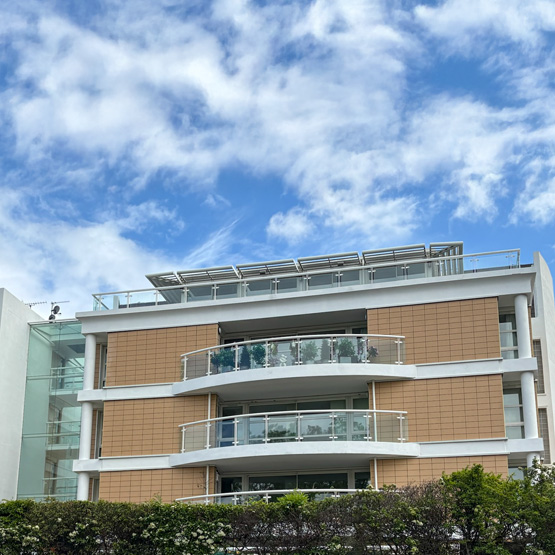
Live apartment remediation, Claremont Place
A fully operational apartment development on a busy high street, with many residents at home during the day.
A resident-focused site team and Resident Liaison Officer, with most deliveries and key operations coordinated from the rear of the building.
The development remained fully operational throughout the façade remediation.

Sources and further reading
- Building Safety Act 2022, section 91: Residents' engagement strategy
- UK Government: Residents' voice factsheet
- UK Government: Residential personal emergency evacuation plans factsheet
- UK Government: Cladding Safety Scheme information for leaseholders and residents
- UK Government: The golden thread of information
- Considerate Constructors Scheme: Code of Considerate Practice
About this guide
Written by Starfish Construction's projects and resident liaison teams. Technical review by Robert Morgan, Projects Director. Legal and regulatory content reviewed by Joe Fay, Pre-Construction Compliance & Building Safety Director. This guide is general information, not legal advice; check your own obligations with the relevant regulator or a qualified adviser. Last reviewed October 2026; next review October 2027.