NEWS

New cladding funding for buildings under 11 metres

What responsible entities should do now

Applications for the new funding route open on 17 August 2026. For building owners, housing providers, managing agents and their professional advisers, the immediate priority is to understand whether a building may be eligible and whether the evidence needed to support an application is ready.

Estimated reading time: 12 minutes

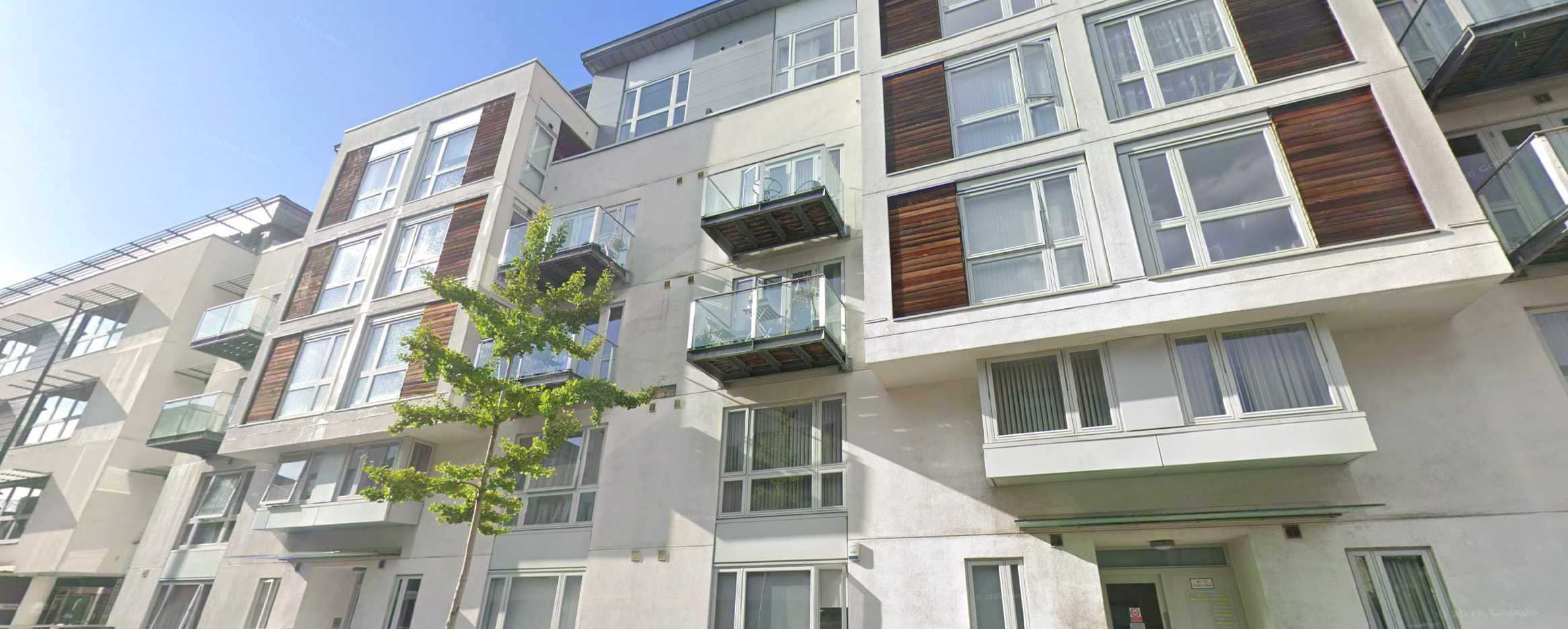
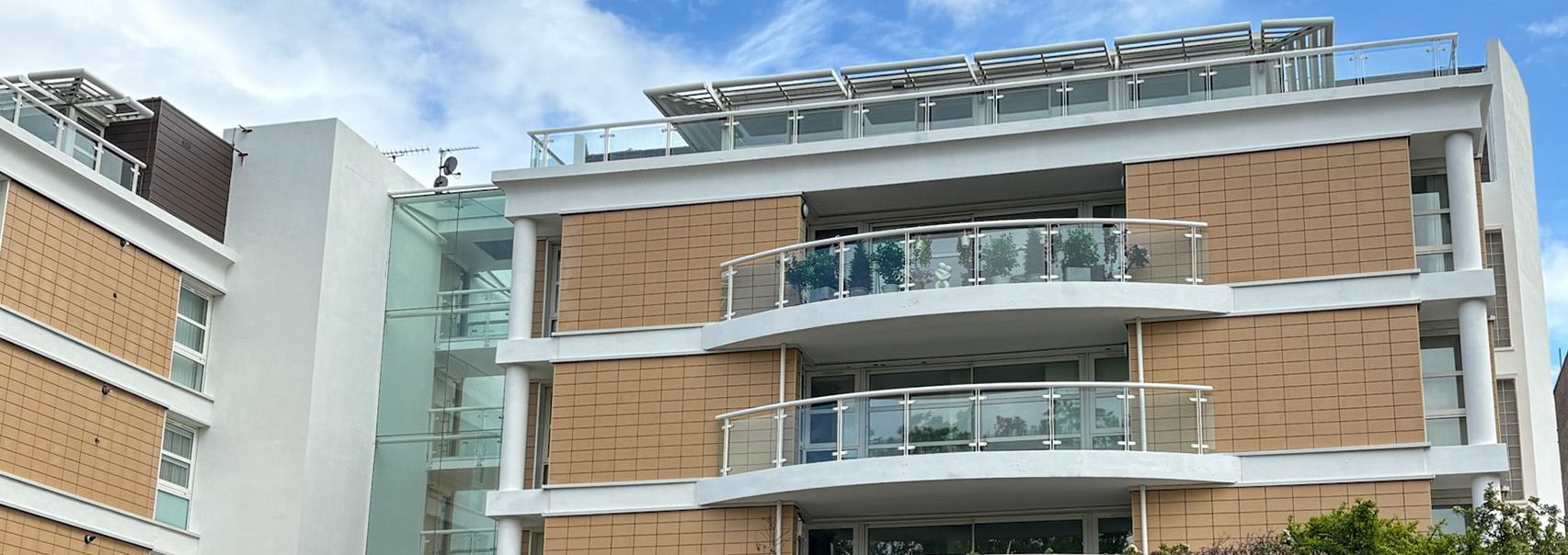
Winchester Mews Swiss Cottage Façade Remediation

At a glance

The new funding extends the Cladding Safety Scheme to eligible residential buildings in England under 11 metres. It is a targeted, risk-led route rather than a commitment to fund every lower-rise building with an external wall concern.
In this news insight, building owners, responsible entities, housing providers, managing agents and professional advisers will discover:

  • What has changed and when applications open.
  • The initial questions that can help establish whether a building may be eligible.
  • Who is permitted to make an application.
  • What evidence should be prepared before the application window opens.
  • How applications will be prioritised according to external wall fire risk.
  • Why a FRAEW does not automatically mean that the whole façade must be replaced.
  • How a Pre-Construction Services Agreement can help turn assessment findings into a coordinated remediation plan.
  • Why resident communication should begin before construction.
  • How Starfish Construction can support eligible organisations from pre-construction planning through remediation delivery.

On 9 July 2026, the government confirmed that the Cladding Safety Scheme would be expanded to include targeted funding for eligible residential buildings under 11 metres in England.

The announcement represents an important development for a small number of lower-rise buildings where serious external wall fire safety risks have been identified. It also reflects a wider move towards prioritising remediation according to risk to life, rather than building height alone.

However, this is not a blanket extension of funding to every building below 11 metres. The fund has a fixed application window; funding will be prioritised according to risk and meeting the published requirements does not create an automatic entitlement to support.
For responsible entities considering an application, preparation and the quality of the available evidence will be critical.

Cladding Safety Scheme Funding: What has changed?

Homes England is delivering the new funding through the existing Cladding Safety Scheme.
According to the government’s fund overview:

  • Applications open on 17 August 2026.
  • The application window will remain open for eight weeks.
  • The scheme applies to eligible multi-occupied residential buildings under 11 metres in England.
  • Buildings must contain two or more dwellings.
  • Both privately owned and social housing buildings may be considered, subject to the wider Cladding Safety Scheme criteria.
  • Applications must be supported by a Fire Risk Appraisal of External Walls, known as a FRAEW, completed in accordance with PAS 9980:2022.
  • A current Fire Risk Assessment should also be provided where available.
  • Funding will focus first on buildings assessed as presenting a high life-critical cladding fire safety risk.
  • Buildings assessed as medium risk, with action required, may be considered if funding remains after high-risk buildings have been addressed.

There is no pre-registration or early-access process. Applications must be submitted through the Building Remediation Hub once the route opens.

Which buildings may be eligible?

A building may be within the initial scope if it:

  • Is located in England.
  • Is under 11 metres in height when measured in accordance with the Cladding Safety Scheme methodology.
  • Contains two or more residential dwellings.
  • Buildings must contain two or more dwellings.
  • Meets the relevant ownership, tenure, occupation and building-use requirements of the wider scheme.
  • Has a PAS 9980:2022 FRAEW identifying a high or medium outcome where action is required.
  • Requires proportionate remediation or mitigation of a life safety fire risk associated with its cladding or external wall system.
  • Has not already commenced the relevant remediation work.
  • Was not subject to a binding remediation contract entered into before 9 July 2026.
Height alone does not determine eligibility

The wider Cladding Safety Scheme eligibility and scope requirements continue to apply unless the under-11-metre guidance states otherwise.
The scheme is also targeted. Homes England will review each application and audit the supporting FRAEW before reaching a decision, and funding remains subject to risk prioritisation and the money available.

Who is responsible for applying?

An application must be made by the responsible entity or by a representative formally authorised to act on its behalf.
Depending on the ownership and management structure, the responsible entity may be:

  • A freeholder.
  • A head leaseholder.
  • A resident management company.
  • A right to manage company.
  • A registered provider of social housing.

A managing agent may be authorised to lead the application and manage the process on behalf of the responsible entity.
Residents and leaseholders cannot apply directly. They should contact their responsible entity in the first instance and request confirmation of whether an application is being considered, who is leading it and how progress will be communicated.

Where residents are unable to engage with the responsible entity, they can use Homes England’s Tell Us Tool to provide information about the building and their circumstances.

What should responsible entities prepare before 17 August?

As the lead-in period to application submissions looms, it’s imperative to establish whether there is a credible basis for an application and to bring the supporting information into a controlled evidence set.

Confirm responsibility and authority

Identify the responsible entity and establish who will lead the application. Where an adviser or managing agent is acting on its behalf, the authority to do so should be clear and documented.

Check the building information

  • Confirm the building’s address, height, number of dwellings, use, tenure and ownership structure against the current scheme criteria.
  • The scheme measures height from the lowest adjoining ground level to the finished floor level of the highest occupied storey. It does not simply use the height to the roofline.

Review the fire safety evidence

  • Applicants cannot submit without a FRAEW. The report must follow the PAS 9980:2022 methodology and identify the external wall fire risk outcome, along with any recommended remediation or mitigation.
  • Responsible entities should also assemble the latest Fire Risk Assessment and any relevant surveys, drawings, fire strategy information, product data and previous external wall investigations.
  • The published under-11-metre guidance refers to a FRAEW undertaken by a suitably qualified and competent professional. The wider Cladding Safety Scheme also contains requirements concerning Homes England panel firms.

Before commissioning or relying on a report, applicants should confirm directly with Homes England that the chosen assessor and FRAEW will be accepted for the application.

Understand the recommended response

A high or medium FRAEW outcome does not automatically mean that the entire façade must be replaced.
The appropriate response may involve:

  • Removing and replacing all or part of an external wall system.
  • Addressing specific materials, interfaces or fire-spread routes.
  • Introducing proportionate mitigation measures where recommended by the FRAEW.
  • Coordinating cladding work with associated safety-critical elements of the external wall.

The scope must be based on the building-specific evidence. Funding is intended to address eligible life safety risks associated with cladding and external walls. It is not a general refurbishment fund and will not normally cover unrelated maintenance or wider fire safety improvements.

Record other routes to redress

Applicants will be asked whether they have explored alternative ways of recovering the cost, including:

  • Claims against developers or other responsible parties.
  • Building warranties.
  • Insurance claims.
  • Existing contractual remedies.
  • Other funding arrangements.

The outcome of these enquiries should be documented, even where another route has not produced a viable result.

Prepare the application information

  • The initial submission is expected to include details of the building and the responsible entity, the FRAEW, the latest Fire Risk Assessment, where available, evidence of resident engagement, and information about alternative funding or redress.
  • Detailed design, tender and cost information is generally developed through later scheme stages.

The initial priority is therefore a complete, valid and evidence-led submission, rather than an unsupported estimate of the eventual works.

What happens after an application is submitted?

Homes England will review the application and audit the FRAEW to confirm the risk outcome and assess whether the proposed response is necessary and proportionate.
High-risk buildings will be considered first.

Among valid high-risk applications, the submission date and time will determine the order in which they enter the funding pipeline. Medium-risk buildings requiring action will only be considered if funding remains.

If a building progresses, the process will move into more detailed project development. This may include eligibility confirmation, a grant funding agreement, design development, procurement, tendering and preparation of a detailed works package.
Responsible entities should not assume that an initial application authorises work to begin or guarantees that all proposed costs will be funded. The requirements of the scheme and any funding agreement should be confirmed before entering into works contracts or commencing remediation.

Resident communication should begin before construction

Resident engagement is not simply a requirement for the construction phase. It should begin while assessments are being reviewed and the funding application is being prepared.
Clear communication is particularly important where the outcome, programme or funding position is not yet certain. Silence can allow concern and misinformation to grow, while premature assurances can create expectations that the responsible entity may not be able to meet.

Shaun McCluskey, Operations Director at Starfish Construction, comments:
“Residents need clear information before work starts, not only when activity reaches site. Consistent and accessible communication helps people understand the process and gives project teams a stronger basis for delivery.”

Shaun continued, “Our approach to resident and community engagement combines dedicated Resident Liaison Officers with accessible online Resident Hubs. This gives residents a named human contact alongside a consistent source of project information, notices and progress updates.”

For occupied-building remediation, communication should be planned as part of the delivery rather than treated as an administrative add-on.

REMEDIATION PLANNING

Moving from eligibility to a deliverable remediation plan

A successful funding application is an important milestone, but it is only one part of the remediation journey.

The next challenge is to translate the findings of the FRAEW and related investigations into a proportionate, buildable and clearly evidenced scope of work.

This requires coordination between the responsible entity, fire engineer, surveyors, designers, cost advisers, contractor and other appointed duty holders. Decisions about the façade cannot be made in isolation from structure, weathering, thermal performance, access, sequencing, resident requirements and long-term maintenance.

Why a PCSA matters: the value of early contractor involvement

A funding application establishes whether a building may receive support. It does not, by itself, create a fully designed or buildable remediation project.

A FRAEW identifies the external wall fire risk and recommends an appropriate response. Further work may still be required to translate those findings into coordinated design information, a defined scope, a realistic programme and an evidenced cost plan.

A Pre-Construction Services Agreement, or PCSA, enables a contractor to contribute during this important development stage, before the main construction contract is agreed.

For façade remediation projects, a PCSA can support:

  • Review of the FRAEW, surveys, drawings and available building information.
  • Identification of evidence gaps and requirements for further investigation.
  • Coordination between the fire engineer, façade designer, structural engineer and other specialists.
  • Development of a proportionate and buildable remediation design.
  • Assessment of access, temporary works, logistics and construction sequencing.
  • Early engagement with manufacturers and the specialist supply chain.
  • Development of cost, procurement and programme information.
  • Preparation of the detailed works package required at later funding stages.
  • Planning for resident communication, access and disruption within an occupied building.
  • Creation of structured design and decision records to support project assurance and future building management.

Joe Fay, Pre-Construction Compliance & Building Safety Director at Starfish Construction, adds:

A FRAEW defines the risk, but it does not provide the complete delivery plan. A well-structured PCSA gives the team time to coordinate design, evidence, cost and programme before construction begins.

This early involvement can help identify technical, commercial and operational issues before they become embedded in the design or emerge during construction.

It also gives the client and professional team a clearer basis for assessing affordability, procurement and delivery risk.

A PCSA does not determine funding eligibility, replace the FRAEW or transfer the responsibilities of the responsible entity and other appointed duty holders. Its value is in creating a controlled route from assessment to delivery, with responsibilities and outputs clearly defined through the appointment.

Subject to the requirements of the funding agreement, Starfish Construction can provide PCSA support that brings together façade engineering, design development, remediation planning, commercial control and resident engagement. This helps eligible organisations progress from an identified external wall risk to a coordinated, evidence-led, deliverable project.

How Starfish Construction can support eligible organisations

Where appointed, Starfish Construction can support eligible organisations and their professional teams by:

  • Reviewing and coordinating the available technical information.
  • Supporting further surveys and investigations where information is incomplete.
  • Developing coordinated façade engineering and remediation proposals.
  • Progressing detailed façade engineering design.
  • Testing buildability, access, logistics, materials and sequencing.
  • Developing cost, procurement and programme information.
  • Establishing controlled project records and transparent reporting.
  • Planning resident and stakeholder communication for occupied buildings.

The formal assessment of eligibility and award of funding remain matters for Homes England. Fire risk conclusions must also remain with the appropriately qualified and appointed professionals.

Our role is to help clients understand the available information, coordinate the route from assessment to delivery and prepare a project that’s implemented with greater clarity and control.

Experience in occupied residential remediation

Occupied-building work requires the technical programme and resident experience to be planned together. Our completed projects demonstrate Starfish Construction's experience in façade remediation.
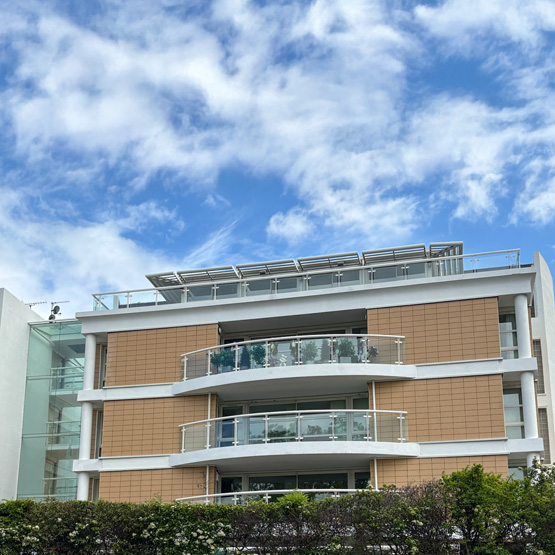
Our Claremont Place Project Profile demonstrates how façade remediation, constrained logistics, resident liaison and regular digital communication were coordinated within a live apartment development.

At Sherburn Court, the project team combined major façade replacement with dedicated support for an occupied social housing community, including residents with additional needs.

    Project Profiles

    A practical next step

    Responsible entities do not need to have every aspect of a future remediation project designed before 17 August. They do, however, need to understand the building, confirm that the core evidence is available and submit a complete and credible application within the published window.

    If you are a building owner, registered provider, local authority, resident management company, managing agent or professional adviser responsible for a potentially eligible building, speak to the Starfish Construction team to discuss the available evidence and the appropriate next steps.

    We can support eligible organisations in moving from external wall findings to a coordinated remediation strategy, with technical, design, project delivery and resident communication expertise brought together through one accountable team.

    Contact us to discuss your project

    Please type your First Name.
    Please enter a valid email address
    Invalid telephone number.
    Please enter a valid enquiry message using normal words and sentences
    Invalid Input

    Article Note: This insight reflects government guidance available on 5 August 2026. Scheme guidance may be updated. Responsible entities should check the latest GOV.UK and Homes England requirements and obtain appropriate technical, legal and professional advice before making funding or contractual decisions.