Discovering Thermal Bridging in Properties
Bridging the gap in the UK’s Built Environment
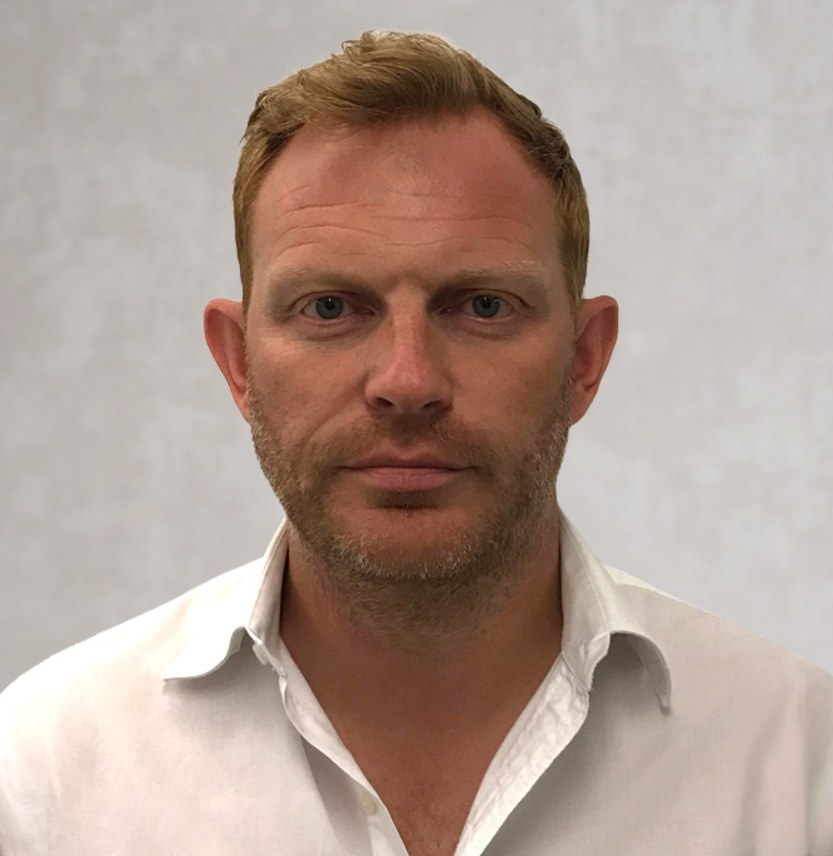
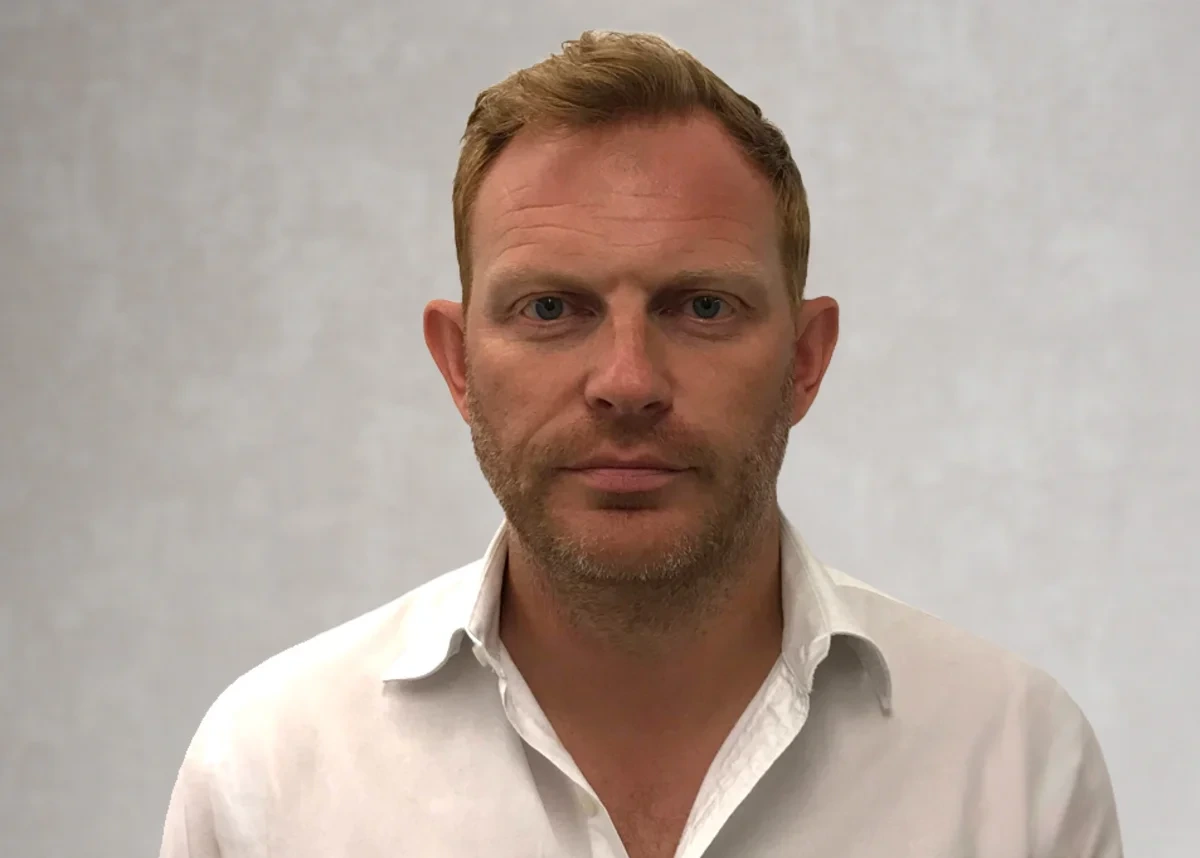
Adam Denton-Beaumont, MSc F-Eng (Merit), Director of the London South Business Hub at Starfish Construction, joins us in this edition of our In-Focus series.

An often-overlooked area of the building envelope is thermal bridging, which many commonly mistake as a purely technical design issue, but the reality is very different. It poses risks to energy performance, compliance, building safety, and occupant health across a wide range of properties. For owners, duty holders, and managers, recognising and mitigating thermal bridging is essential to creating buildings that are safe, sustainable, and future-proof.
technical survey

AT A GLANCE

  • Discover why thermal bridging is a critical safety and compliance issue, not just an energy concern.
  • Learn where thermal bridges most commonly occur in UK buildings and what warning signs to look out for.
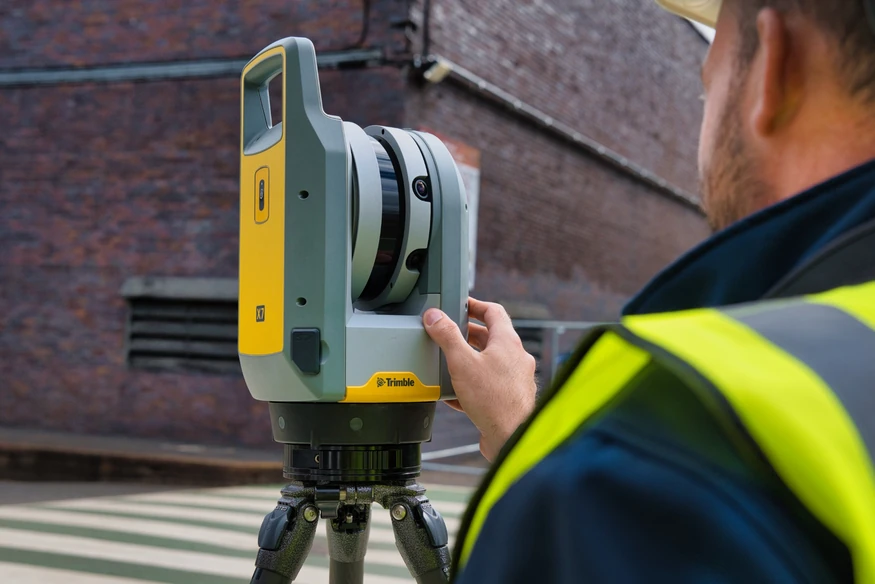
  • Explore how technical surveys, infrared thermography, and digital modelling help identify hidden risks.
  • Gain practical advice for building owners, duty holders, and managers on when and how to act.
In this Starfish Construction Insight Interview, we speak with Adam Denton-Beaumont, a director with extensive experience in façade remediation and building performance, about the implications of thermal bridging, the risks it poses to property owners, and the strategies available to address this challenge. Adam also highlights how Starfish Construction’s integrated approach and divisions, including the specialist expertise of Starfish Environmental and Asbestos (SEAS), ensure safe, compliant, and sustainable outcomes for clients.
01

Adam, let’s start with the basics: what is thermal bridging, and why should building owners and duty holders be concerned?


Adam: In simple terms, a thermal bridge is a weak point in the building envelope where heat flows more easily. These occur at balconies, window junctions, parapets, or even where services penetrate through insulation. The impact is significant. You’re not just losing heat and money; you’re creating cold spots that lead to condensation, mould growth, and long-term structural damage.

What’s more, this isn’t only an energy efficiency issue. Poor thermal detailing directly affects compliance with the Building Safety Act and wider regulatory requirements. For me, thermal bridging is just as much about health, safety, and compliance as it is about sustainability.

TECHNICAL SURVEYS ARE CRITICAL

02
What are the most common areas where you see thermal bridging in UK properties?

Adam: High-rise residential blocks with exposed balconies are one of the clearest examples, but we also see issues around windows, parapets, roof junctions, and anywhere insulation is interrupted. In older properties, the problem can be widespread, but even new builds are not immune if design validation hasn’t been rigorous. That’s why technical surveys at the pre-construction stage are so important.

checked document icon
03
How does Starfish Construction help clients identify and mitigate thermal bridging risks?

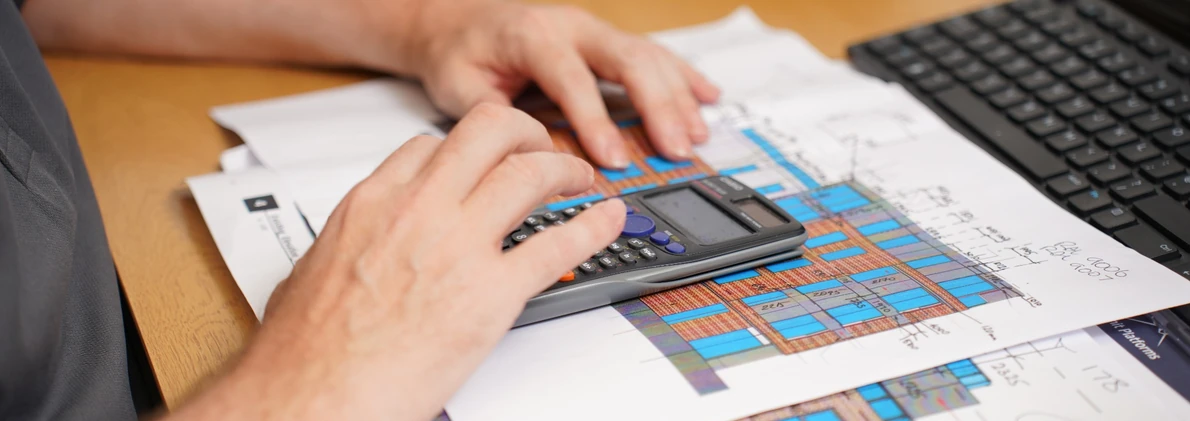
Adam: A question that many of our clients ask us. We start with knowledge and evidence. Using infrared thermography, digital modelling, and intrusive surveys where needed, we identify where heat loss is happening and design solutions to resolve it.
Our strength lies in being an integrated business. We don’t stop at the survey condition report; we have the technical design capability, façade engineering expertise, and delivery teams to remediate the problem. That means clients receive a comprehensive pathway, from initial identification to safe, compliant, and cost-effective resolution.

04

Does having SEAS as part of the Starfish Construction Group contribute to this process?


Adam: Absolutely, Starfish Environmental and Asbestos Services (SEAS) plays an essential role where thermal bridging intersects with legacy materials like asbestos. For example, if you’re opening up wall cavities or refurbishing façades to improve insulation, you may uncover asbestos-containing materials. With SEAS as part of the group, we can address that safely and compliantly without derailing the remediation programme. 

asbestos material

It’s about giving clients peace of mind and mitigating compliance and schedule risks, including thermal, environmental, or safety-related issues, within a single coordinated partner and solution.
05

What advice would you give to building owners and duty holders who suspect thermal bridging issues in their properties?


Adam: Don’t ignore the warning signs. If you’re seeing persistent condensation or mould in high-rise residential properties, or unexplained excessive energy bills in commercial buildings, these are red flags. The first step is commissioning a professional thermal survey. From there, work with a partner who can not only identify the risks but also deliver the remediation.
My key advice? Act early. It’s always more cost-effective to address thermal bridging proactively rather than waiting for complaints, failures, or regulatory intervention.

Adam Denton-Beaumont
quote decoration

“Thermal bridging is more than an energy problem; it’s a safety and compliance issue that can affect people’s health, comfort, and trust in the buildings they live and work in and the spaces they interact with.”

Adam Denton-Beaumont,
Director, London South Business Hub, Starfish Construction

06
How does addressing thermal bridging align with broader goals, such as achieving net zero and ensuring sustainable building performance?

Adam: Addressing thermal bridging isn’t just about fixing cold spots; it’s about future-proofing buildings. By reducing uncontrolled heat loss, you’re lowering operational energy demand, which directly supports the UK’s net zero targets. At Starfish Construction, we often integrate thermal remediation works with broader sustainability upgrades — such as façade insulation improvements, energy-efficient roofing, or even preparing for renewable technologies.

For building owners, this means that every pound invested in remediation delivers multiple returns: safer buildings, lower operating costs, regulatory compliance, and a stronger sustainability profile, aligning with environmental, social and governance objectives for property owners.
07

Finally, what’s your message to architects, surveyors, and consultants involved at the design and specification stage?


Adam: Detail matters. Too often, thermal bridging is overlooked as a secondary concern, but its consequences are long-lasting and costly. My message is clear: build thermal performance checks into the earliest design conversations and validate them rigorously through modelling and testing. That’s where we can support as a partner, combining technical expertise with on-site delivery knowledge to ensure designs are not just compliant on paper but genuinely robust in practice. If we work together at the earliest stage of intervention, we help avoid costly remediation later and create buildings that deliver safety, comfort, and efficiency from day one.

technical design

Many thanks to Adam Denton-Beaumont for sharing his expertise on this critical subject.

At Starfish Construction, we deliver safe, compliant, and sustainable building solutions. From thermal surveys and technical reporting through to façade remediation and roofing redesign, our integrated divisions and experienced, knowledgeable people help clients reduce risk, improve performance, and create long-lasting value.

Contact Us

To make the right decisions for your property, our advisors can guide you. Complete our online form with your details and a member of our specialist building envelope team will contact you.
Contact Us

Please type your First Name.
Please enter your Last Name
Please enter a valid email address
Invalid telephone number.
Please enter your Company Name
Invalid Input
Please enter services you are looking for
Please enter a message
Starfish Construction Group is committed to providing you with relevant updates. If you would like to receive information from us please select the Yes option.
Signup(*)
Signup
Please select an option