What UKREiiF 2026 Confirmed About Building Safety, Compliance and Delivery Confidence
Why technical insight, structured governance and stakeholder communication are becoming critical to safer, more resilient assets
UKREiiF 2026 brought together the organisations shaping the future of the UK built environment — but beyond the conversations around regeneration, remediation, and investment, several recurring themes stood out for the Starfish Construction team.
Representing Starfish Construction were Adam Denton-Beaumont, Jason Kerr and Ross Cowan, joining discussions with developers, managing agents, consultants and asset stakeholders navigating increasingly complex building challenges.

One message became consistently clear
For organisations responsible for the UK’s buildings, delivering safe, compliant and commercially resilient assets is becoming increasingly complex.
-
Building safety expectations are evolving.
-
Building Safety Act compliance continues to create operational and regulatory pressure.
-
Residents and stakeholders expect greater visibility and reassurance.
-
Asset owners are increasingly making decisions through the lens of risk, reputation, long-term performance and commercial resilience.
These are challenges Starfish Construction helps clients navigate every day through technical insight, structured delivery planning, stakeholder engagement and integrated building envelope expertise.
Across UKREiiF discussions, fireside sessions and stakeholder conversations, three themes repeatedly reinforced what matters most, which we explore in more detail below.

Building Safety and Performance: The Conversation Has Moved Beyond Compliance
Building safety remains one of the most significant challenges in the built environment, as reinforced throughout UKREiiF discussions on fire safety, operational risk, and the management of existing residential assets.
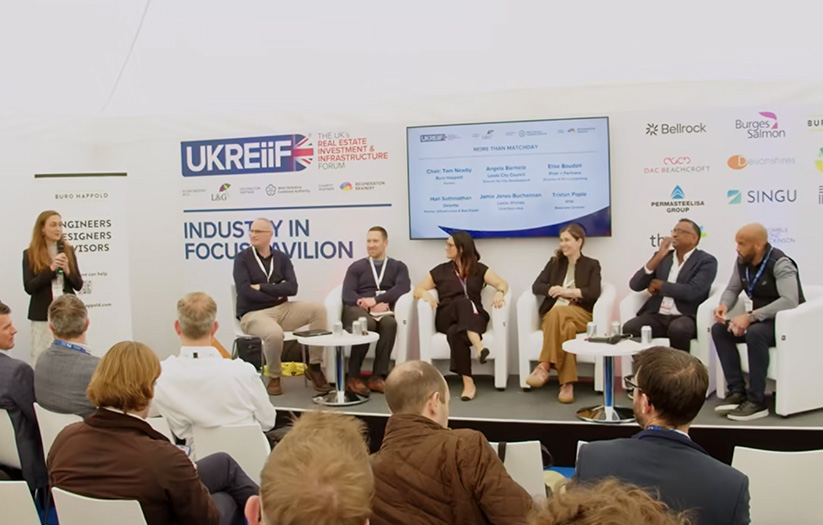
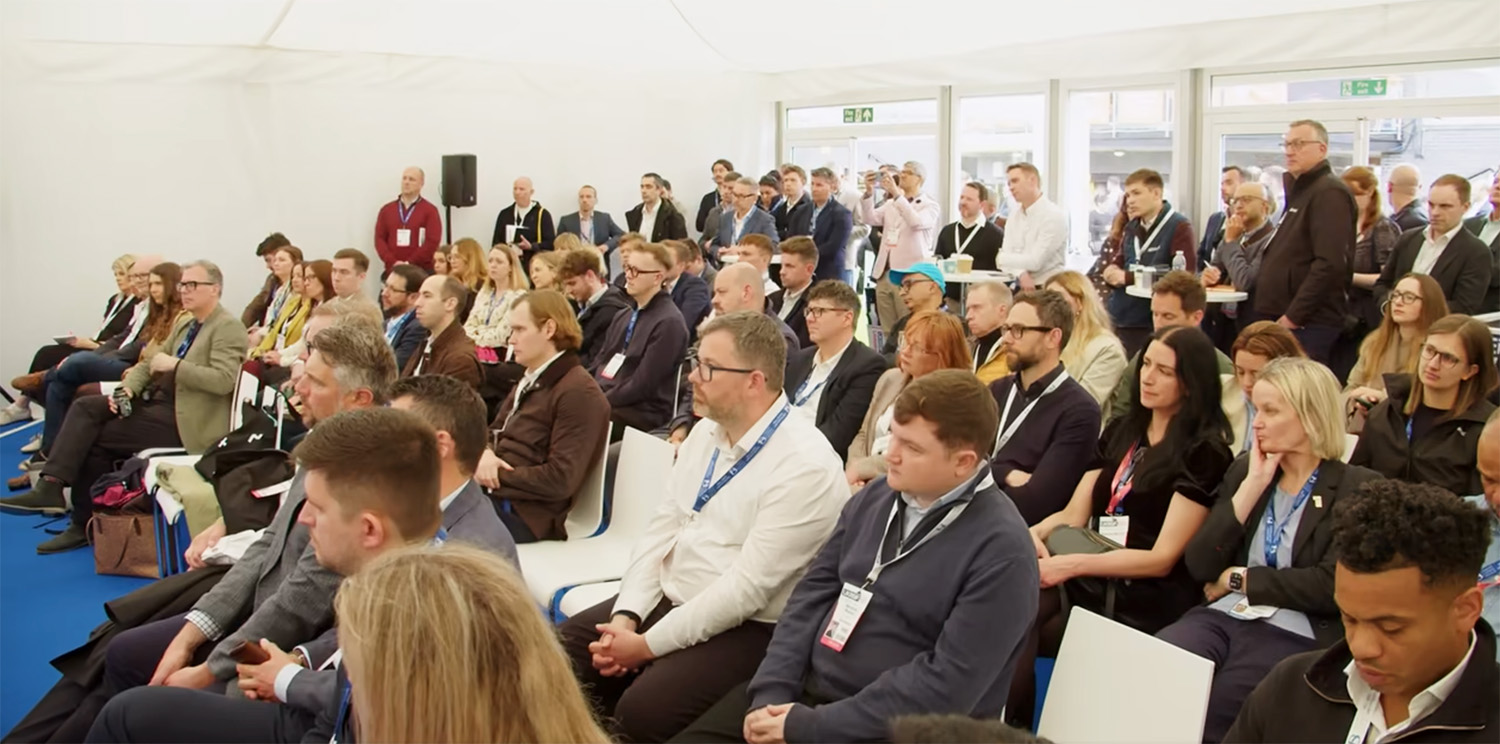
One particularly relevant discussion attended by our team was Centrick’s The Safety Net fireside chat, which explored the realities of creating safer living environments and the growing pressures property stakeholders face in doing so. Delays associated with regulatory processes, rising project costs, and the importance of practical, well-structured delivery were all prominent in discussions.
What stood out was the alignment among managing agents, asset stakeholders, and delivery professionals around a shared objective: creating safer buildings while strengthening residents' and wider stakeholders' confidence.
But importantly, the conversation is no longer centred purely on immediate compliance-driven intervention.
Building safety is increasingly understood as an operational, commercial, and long-term asset-performance issue.
For many organisations, the challenge is no longer simply identifying building risk. It is understanding how to respond strategically in ways that improve safety, performance and long-term asset resilience.
Ageing building stock, evolving fire safety expectations, façade-related risk, building performance pressures and retrofit ambitions are all contributing to a more demanding operating landscape.
Expectations around sustainability and long-term performance continue to rise, with owners under pressure to improve efficiency, resilience and asset longevity.
Building envelope interventions are no longer viewed simply as reactive repair or compliance activity. They are increasingly recognised as strategic investment decisions that can improve building safety, occupant confidence, thermal performance, resilience and long-term asset value.
Through technical surveying, condition intelligence, design development and integrated remediation expertise, organisations are increasingly able to make more informed decisions about how existing buildings should be improved, protected and futureproofed.
Starfish Construction perspective

“One of the strongest themes for me from UKREiiF was the recognition that building safety cannot be treated as a standalone issue. Clients are balancing building safety, asset performance, operational resilience and long-term investment considerations simultaneously. That is where early technical understanding, accurate surveying, informed decision-making, and integrated delivery become critical — not simply resolving immediate issues, but creating safer, more sustainable and future-ready assets.”
Compliance and Communication: Confidence is Built Through Structure and Transparency
If building safety discussions focused on asset risk and performance, compliance conversations at UKREiiF centred around confidence, governance and delivery certainty.
However, UKREiiF reinforced that compliance is no longer only about regulation, documentation or technical approvals. It is increasingly about confidence — for asset owners, duty holders, residents, and stakeholders navigating complex, often disruptive programmes.
Conversations reinforced the importance of the Building Safety Act and the Building Safety Regulator, while also highlighting ongoing concerns around regulatory complexity, approval bottlenecks and delivery uncertainty. For Starfish Construction, alignment with the Building Safety Act is non-negotiable.
Through early technical investigation, evidence gathering, structured design coordination, and robust project information management, we help clients build the clarity, governance, and supporting information needed to navigate early planning, pre-construction coordination and Gateway submission requirements with confidence.
For many organisations, the challenge is not the willingness to act, but knowing how to move projects forward compliantly and with confidence.
Communication emerged as an equally important theme.
The most successful programmes are no longer judged solely by technical outcomes or final sign-off. They are increasingly measured by how effectively residents, leaseholders and wider stakeholders are informed, engaged and supported throughout the delivery process.
This was especially evident in residential conversations, where expectations around transparency, visibility and reassurance continue to grow.
Remediation and compliance-led works can be inherently disruptive. When communication is inconsistent or reactive, uncertainty quickly turns into mistrust, creating friction, complaints, delays, and reputational pressure.
This is why Starfish Construction places strong emphasis on structured stakeholder communication, including dedicated online Residents and Stakeholders Hubs that provide accessible, transparent and up-to-date project information throughout delivery.
By creating clearer communication pathways and meaningful visibility, these platforms help reduce uncertainty, maintain stakeholder confidence and protect project momentum.
Our approach strongly aligns with the wider principles of accountability and transparency shaping the post-Building Safety Act environment.
The Golden Thread is often discussed in technical terms, but its broader significance is equally important: clear decision-making, transparent reporting and visibility throughout every stage of delivery.
The organisations best positioned to navigate complex building interventions are those that combine technical competence, structured governance, and effective stakeholder communication.
Starfish Construction perspective

“What came through strongly at UKREiiF was that confidence is built through structure, transparency and communication as much as technical delivery. In residential environments, particularly, stakeholder confidence must be actively managed throughout a programme. Clear governance, visible reporting and dedicated communication frameworks that keep residents and stakeholders informed are increasingly essential in protecting trust, programme momentum and client reputation.”
London South Business Hub Director
Strategic Decision-Making: Protecting Assets, Reputation and Long-Term Value
As building safety discussions focused on technical risk and performance, and compliance conversations centred around governance and stakeholder confidence, UKREiiF also reinforced a wider commercial reality: building-related decisions are increasingly strategic business decisions.
These decisions increasingly sit alongside board-level discussions around commercial resilience, brand reputation, long-term investment protection and organisational risk exposure. Historically, asset conversations may have focused primarily on maintenance cycles, operational performance or capital expenditure planning.
Today, decision-makers are asking broader strategic questions:
-
How safe and resilient is the asset?
-
What is the operational impact of inaction?
-
How will residents, stakeholders or occupiers respond?
-
What is the reputational consequence of delay?
-
How does this affect long-term asset value?
-
What commercial risk does uncertainty create?
Across UKREiiF, discussions on regeneration, remediation, development viability, and long-term investment repeatedly reinforced the importance of resilience, confidence, and protecting asset value.
For owners and operators of existing buildings, this has very real implications. Deferred action, reactive intervention or poorly structured decision-making can create consequences far beyond technical risk.
-
Delay increases cost exposure.
-
Reactive intervention weakens programme certainty.
-
Stakeholder scrutiny intensifies.
-
Reputation becomes vulnerable.
-
Commercial confidence is eroded.
For organisations responsible for ageing or complex building assets, proactive technical assessment and early strategic planning can significantly reduce uncertainty. Better information enables better commercial decisions, helping stakeholders prioritise investment, de-risk interventions and avoid reactive escalation.
Starfish Construction perspective

“One of the strongest commercial themes from UKREiiF was the growing importance of informed, proactive decision-making. Asset owners are not simply assessing technical remediation needs—they are evaluating broader commercial risks, programme certainty, stakeholder expectations and long-term asset protection. The earlier those decisions are supported by clear technical insight and structured planning, the stronger the commercial outcome.”

From Market Insight to Practical Action
UKREiiF 2026 reinforced a clear message for property owners, duty holders and asset stakeholders: building-related challenges are becoming increasingly interconnected.
- Building safety cannot be considered in isolation from asset performance.
- Compliance cannot be separated from governance and delivery confidence.
- Commercial decision-making cannot ignore stakeholder expectations, reputation and long-term asset resilience.
For Starfish Construction, these are not theoretical market conversations. They reflect the practical challenges we help clients navigate every day. As regulatory expectations, asset pressures and stakeholder scrutiny continue to evolve, the organisations best positioned to move forward confidently will be those making earlier, better-informed decisions.
If your organisation is navigating building safety, remediation, compliance, or wider asset performance challenges, Starfish Construction can help you move forward with a clearer strategy, stronger structure, and greater confidence in practical delivery.
Contact us:
0333 016 5399 or email