A Guide to RAAC and Remediation

This insight guide is designed to help surveyors, commercial property owners/managers, and facility operators understand the implications of RAAC in buildings. It also outlines how Starfish Construction, a leading multi-faceted construction company, can provide expert guidance and remediation services to ensure properties throughout the UK are safe and compliant. Throughout this guide, you will gain knowledge and have a clear understanding of what RAAC is, associated risks, identification, and the steps necessary for remediation. Additionally, explore Starfish Construction's extensive knowledge and support for RAAC remediation.
Introduction to RAAC
What is RAAC?
Reinforced Autoclaved Aerated Concrete (RAAC) is a lightweight, precast building material that was widely used in the UK from the 1950s until the mid-1990s. RAAC was typically installed on flat roofs, walls, and sometimes floors as a cost-effective and fast solution for large-scale construction, particularly in schools, hospitals, and commercial buildings.
RAAC's cellular structure, which gives it a bubbly, sponge-like appearance, is created by adding aluminium powder to the concrete mix. This reduces weight and provides thermal insulation, making it a desirable material for post-war construction projects. However, RAAC's light and porous nature makes it far less durable than traditional concrete, and it has been linked to significant structural concerns as the material ages.
History of RAAC use in the UK
RAAC was first developed in Sweden in the early 20th century, with its use becoming very prominent in the UK between the 1950s and 1980s. During this period, the UK construction industry favoured RAAC due to its ease of use and ability to meet the demands of a booming construction market post-World War II.
- 1950s–1980s: RAAC is used in thousands of schools, hospitals, and commercial buildings, primarily because it is affordable and efficient.
- 1994–1996: Early concerns about RAAC’s long-term durability begin to surface in the UK following reports of excessive cracking and deterioration in specific structures.
- 1990s–2000s: Many buildings containing RAAC begin to exceed their expected lifespan of 30 years, prompting investigations into the structural safety of RAAC elements.
- 2020s: There is widespread alarm, as RAAC is identified as a significant risk in public buildings. Inspections reveal deterioration in many structures, leading to urgent remediation efforts.
- The Institution of Structural Engineers.
Risks Associated with RAAC
Structural Concerns: Why RAAC is Considered a High-Risk Material in Buildings
RAAC was once seen as an innovative building material that offered affordability, ease of installation, and thermal efficiency. However, its structural limitations have become more apparent over the decades, particularly in older buildings. RAAC’s properties, while suitable for short-term use, have been shown to degrade over time, posing significant safety risks. This section will explore the structural concerns surrounding RAAC and why it is considered a high-risk material, particularly in buildings over 30 years old.
Durability and Aging of RAAC
RAAC is inherently less durable than traditional concrete. Made by incorporating air into the concrete mix, RAAC has a porous, sponge-like structure, making it lightweight but weaker than standard concrete. This porosity allows moisture to infiltrate the material more easily, leading to several critical structural issues as the material ages:
- Moisture Absorption: RAAC's cellular structure means it can absorb water from the environment, whether through roof leaks, condensation, or general exposure to humidity. This moisture absorption accelerates the deterioration process.
- Steel Reinforcement Corrosion: RAAC panels are reinforced with steel rods, which are vulnerable to rust and corrosion if exposed to water. Once the steel reinforcement begins to corrode, it loses its ability to provide structural support, leading to the panel's weakening or failure.
Signs of Structural Failure in RAAC
Understanding the specific structural risks associated with RAAC is critical for property managers, surveyors, and building owners to ensure the safety of the building's occupants. Spotting the signs of RAAC failure and understanding tell-tale signs of weakening is key to safe property management.
- Cracking and Deflection: As RAAC deteriorates, cracks often appear, particularly in roof or floor panels. In some cases, these panels may begin to sag or bow due to a loss of structural integrity. This can lead to defections beyond acceptable limits, indicating that the panel is no longer safely supporting its load.
- Displacement and Sagging: The internal degradation of RAAC can cause panels to move out of alignment, leading to noticeable sagging in ceilings or floors. These displacements indicate that the material is no longer able to bear the loads it was originally designed to support.
- Sudden Failure: One of the most dangerous characteristics of ageing RAAC is its potential for sudden, catastrophic failure. In extreme cases, weakened RAAC panels may collapse with little or no warning, posing a direct threat to the safety of building occupants.

Buildings within the education, industrial, retail, defence, commercial, and even residential sectors have extensively used RAAC. Any property constructed with flat, large-span roof panels during the mid-20th century could include RAAC. Property owners and managers should consider assessments for RAAC to prevent unforeseen disruptions and ensure safety.
Jamie Purdon, Director at Starfish Environmental and Asbestos Services
Limited Lifespan and Deterioration Over Time
RAAC has an expected lifespan of around 30 years, after which its structural reliability diminishes rapidly. Many buildings in the UK constructed with RAAC are now well past this expected lifespan, making them increasingly vulnerable to failure:
- Time-Dependent Deterioration: The ageing process of RAAC is exacerbated by environmental factors like moisture, temperature fluctuations, and the stresses from load-bearing over extended periods. Buildings containing RAAC that are over 30 years old are at a much higher risk of failure.
- Inconsistent Quality: RAAC panels were produced using various methods, and the quality of the material can vary significantly depending on the time and place of manufacture. This inconsistency makes it even harder to predict when and where RAAC panels may fail, adding to the risk in older buildings.
Historical Case Studies of RAAC Failures
Several high-profile cases have illustrated the dangers of RAAC in ageing buildings:
- School Roof Collapses: In recent years, multiple schools in the UK have experienced RAAC-related roof collapses. In one notable case, a school's roof collapsed without warning during a holiday break, preventing potential casualties. These incidents prompted widespread concern about the safety of other public buildings containing RAAC.
- Public Building Closures: Many public and commercial buildings have been closed or restricted due to deteriorating RAAC. The expense and disruption caused by emergency repairs and closures have highlighted the severe risks of leaving RAAC unaddressed.
Regulatory and Safety Implications
The structural risks associated with RAAC have led to increasing scrutiny from regulatory bodies in the UK. Authorities such as the Health and Safety Executive (HSE) have issued guidelines requiring regular inspections and, in many cases, urgent remediation:
-
Mandatory InspectionsMany buildings constructed before the mid-1990s are now subject to mandatory RAAC inspections. These inspections are designed to identify buildings at risk of structural failure due to ageing RAAC.
-
Remediation RequirementsOnce RAAC is identified in a building, property owners are often required to undertake remediation efforts, which may include replacing RAAC panels, reinforcing structures, or, in some cases, completely rebuilding certain areas.
-
Impact on Building ValuationThe presence of RAAC in a building can significantly reduce its value due to the remediation costs and potential safety concerns. This has become a critical issue for property owners, particularly in older commercial and public buildings.
Regular inspections and proactive remediation efforts are crucial to mitigate these risks. For property owners and managers, understanding the structural vulnerabilities of RAAC and addressing them through expert assessment and remediation is critical.
Identifying RAAC in a Property
Understanding the specific structural risks associated with RAAC is critical for property managers, surveyors, and building owners to ensure the safety of the building's occupants. This module explores why RAAC is considered a high-risk material and highlights the need for immediate action to mitigate the associated dangers.

The Local Government Association (LGA) is advising its members to check as a matter of urgency whether any buildings in their estates have roofs, floors, cladding or walls made of Reinforced Autoclaved Aerated Concrete (RAAC).
Quote from LGA Website - https://www.local.gov.uk/
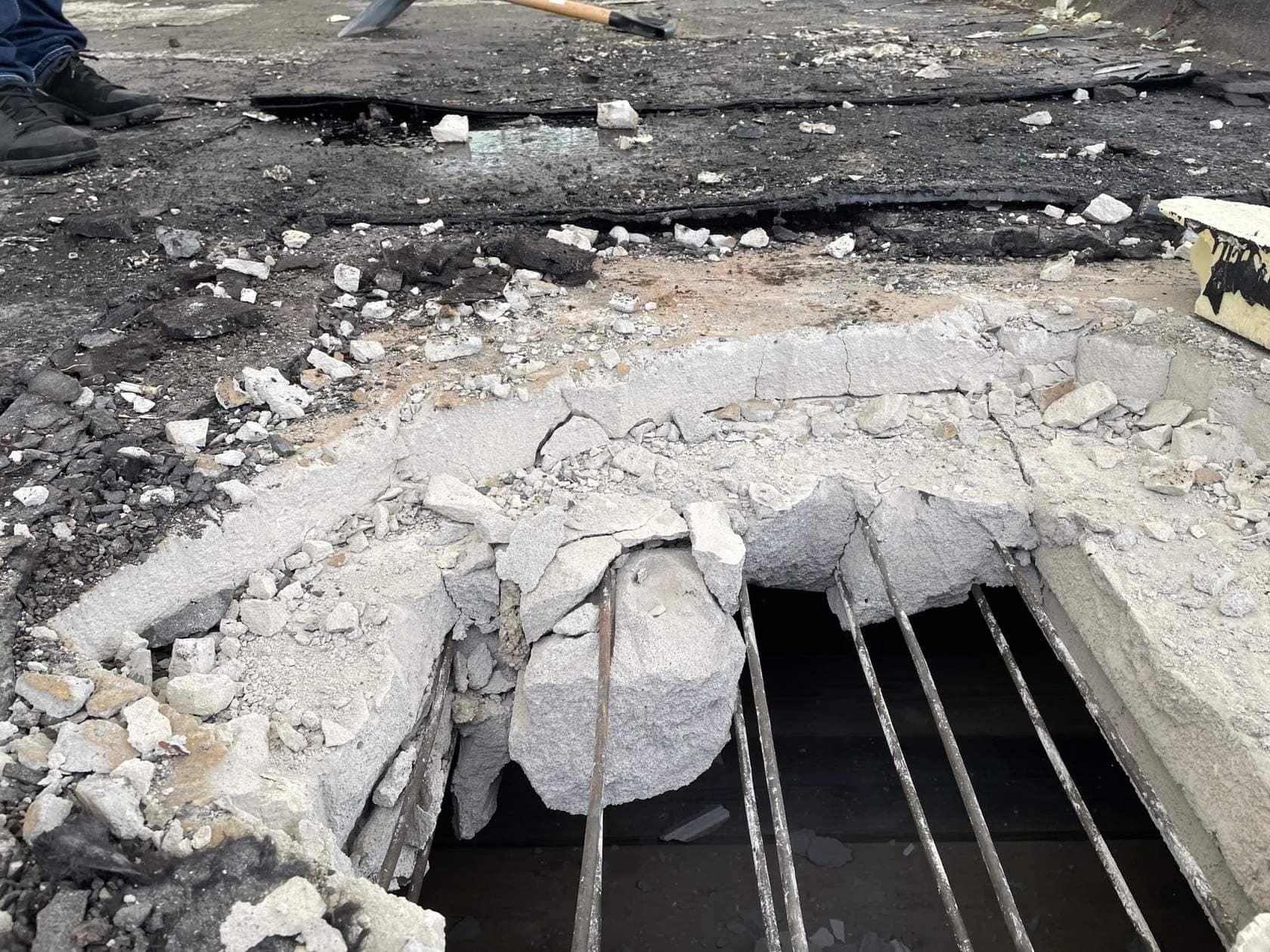
Key Structural Concerns with RAAC
It's essential to assess the presence of RAAC in buildings and take immediate steps to address any structural concerns. Delaying action can put occupants at serious risk and lead to costly, unexpected failures.
Degradation Over Time
- RAAC has a limited lifespan, typically around 30 years. Beyond this period, the material degrades significantly, losing its structural integrity.
- Moisture Absorption: RAAC’s porous structure allows it to absorb moisture, which weakens the material over time. Prolonged exposure to damp environments can accelerate this degradation, making RAAC more prone to cracking, sagging, or collapse.
Brittle Nature and Risk of Sudden Failure
- Unlike traditional concrete, RAAC lacks the inherent toughness to withstand stress and strain over long periods. It is more brittle and prone to sudden failure without clear early warning signs.
- In older buildings, the material may appear stable, but internal degradation could lead to catastrophic failures, often without noticeable surface damage prior to collapse.
Corrosion of Embedded Reinforcement
- RAAC is typically reinforced with steel bars or mesh. As the concrete absorbs moisture, this reinforcement is susceptible to corrosion, which weakens the structural bond between the steel and concrete.
- Corroded reinforcement can significantly reduce the load-bearing capacity of the RAAC panels, leading to increased deflection and a higher risk of collapse.
Increased Deflection and Sagging
- Over time, RAAC panels can experience excessive deflection and sagging due to their reduced strength and flexibility. This sagging can lead to water pooling, additional stress on the structure, and further degradation.
- Sagging RAAC panels are a clear sign of structural compromise, requiring immediate action.
Incompatibility with Modern Safety Standards
- RAAC does not meet modern building standards and is considered obsolete by today’s construction practices. Buildings with RAAC components may not be compliant with current health and safety regulations, increasing liability risks for property managers and owners.
- In critical environments like schools and hospitals, these risks are particularly concerning, as they could directly impact occupant safety.

Due to the nature of the material, defects can be challenging to identify. If you are still determining whether your building includes RAAC, you should use a suitably qualified organisation or chartered structural engineer. Regular Planned Preventative Maintenance (PPM) surveys should assist in identifying and managing potentially defective materials.
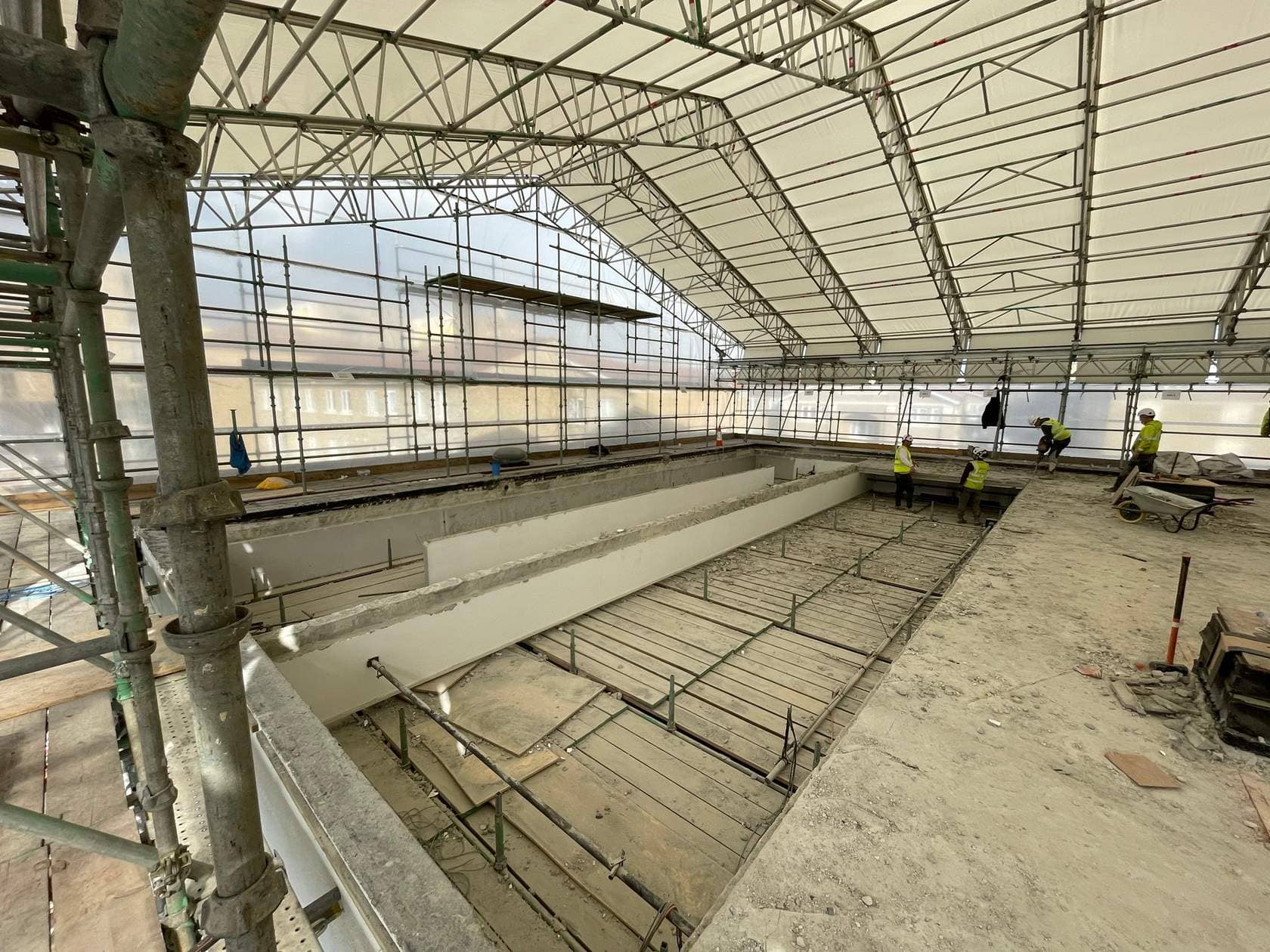
Impact of Structural Concerns on Older Buildings
Sudden Collapse: One of the most alarming risks of RAAC is the potential for sudden structural failure. Several instances of roof collapses and near-misses have been documented, especially in buildings with older, unremediated RAAC panels.
Disruption and Costs: Structural issues stemming from RAAC not only pose safety risks but also lead to significant disruptions and financial consequences. Emergency closures, expensive remediation work, and reputational damage are common outcomes of unaddressed RAAC issues.
The 3 Keys to RAAC Safety
Regular Inspections
Professional Assessments
RAAC Remediation
Actions for Property Managers and Surveyors
Preventing Structural Failures: Timely detection of RAAC degradation can prevent catastrophic failures, such as roof collapses or severe deflections that may endanger building occupants.
Reducing Costs: Addressing RAAC issues early can significantly reduce the cost of repairs. Delaying action may result in emergency remediation, which is often more expensive and disruptive.
In this next section, we will look at RAAC Remediation and Starfish Construction’s Role in helping you ensure a property is safe.
RAAC Remediation and Starfish Construction’s Role
We are a highly respected, multifaceted construction firm based in the UK, with nationwide operational hubs. Renowned for building envelope specialisation, including structural remediation, façade design and installation, roofing overclad and complete replacement, environmental and asbestos management, incorporating Reinforced Autoclaved Aerated Concrete (RAAC), we support many building professionals and property owners. A well-established track record in delivering complex remediation projects, ensuring adherence to the strictest safety standards and full compliance with UK building regulations means we're a trusted and preferred principal contractor for many clients, across a diverse range of sectors. Whether working on large public sector properties or smaller private projects, our knowledgeable team bring extensive experience and industry expertise to manage even the most intricate of projects, including RAAC-related challenges.
With dedicated in-house divisions, including technical surveying and building design, industry specialists and directly employed site teams, Starfish Construction has become a leader in addressing RAAC issues in public and commercial properties, including schools, hospitals, and other critical infrastructures.

Visit Our Project Profiles
Explore our latest RAAC remediation project here.

Our Expertise in RAAC
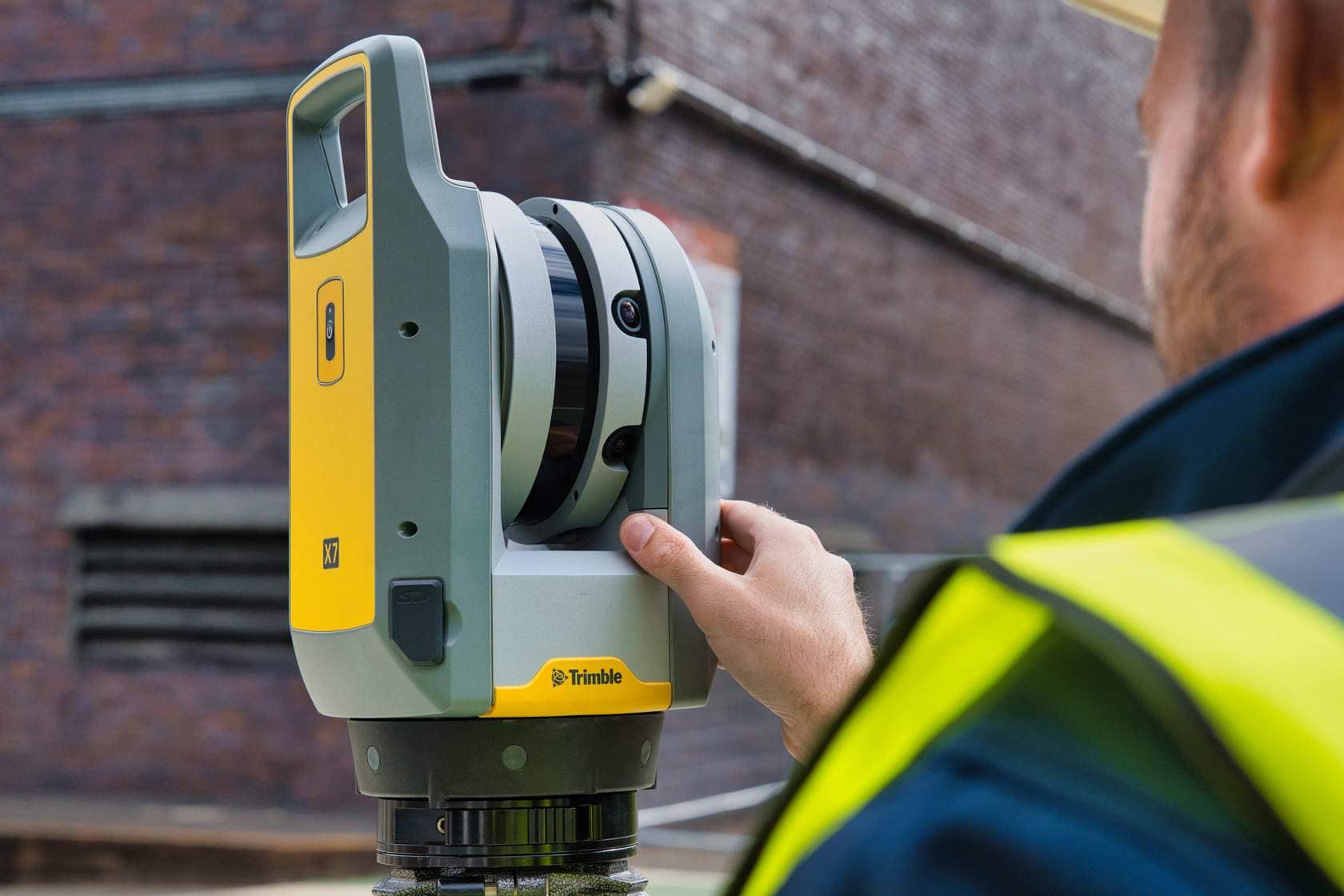
Trust in Starfish Construction has positioned us at the forefront of RAAC remediation in the UK. Our personnel are trained in the latest assessment and remediation techniques, using cutting-edge technology and methodologies to address the unique risks posed by RAAC in older buildings. Our technical surveying specialists conduct detailed inspections, working closely with surveyors and clients to develop and execute customised remediation plans that meet their specific needs.

"We anticipate stricter enforcement of existing regulations and potentially new guidelines as awareness of RAAC's risks increases. RAAC is now commonly known as a problem and challenge, which will only change after assessing suspected buildings and fixing those identified with RAAC. Property owners and managers of the construction industry need proactive building management practices emphasising safety and sustainability. At Starfish Construction, we're committed to staying at the forefront of industry standards and helping our clients navigate these changes and challenges smoothly, safely and cost-effectively."
John Jessimer, Managing Director, Starfish Construction
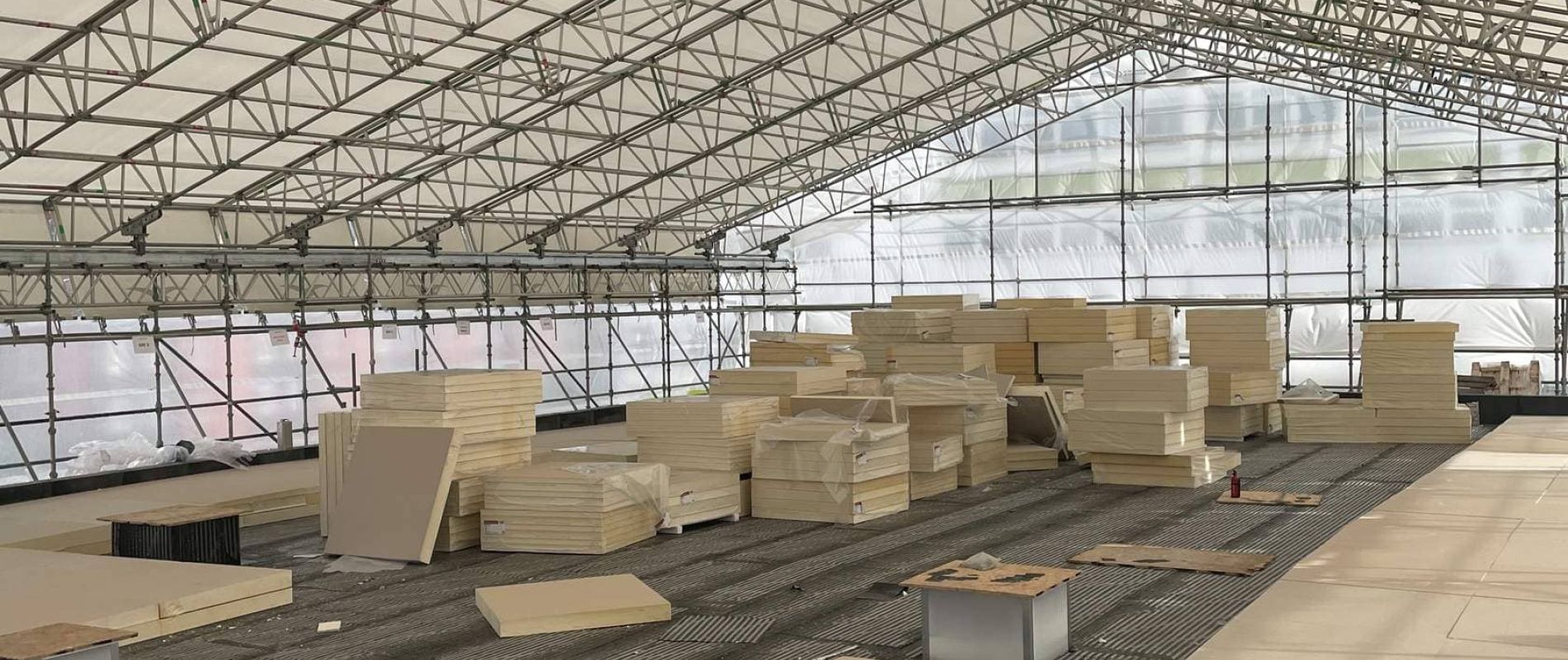
Your Trusted Construction Partner
Acknowledging RAAC's vulnerabilities has prompted an immediate nationwide evaluation of building infrastructure across education, emergency services, and some residential properties. Inspectors and assessors have identified issues such as reduced strength, susceptibility to water ingress, and potential structural failures that pose significant risks to the safety of students, employees and the general public. The impact on educational environments has demanded a swift and decisive response from the Education Authorities and the School Trust, as well as the implementation of robust strategies to mitigate risks and ensure the safety and well-being of school communities.
In light of these challenges, Starfish Construction has partnered with education authorities to remediate specific problems associated with RAAC in school buildings. The measures taken by educational authorities and government bodies to address these issues have been decisive, with Starfish Construction Group divisions working in tandem across various projects and phases as a single source principal contractor.
Our directly employed workforce and divisions are critical to the success of every RAAC remediation project, including survey and technical design, scaffolding and access, environmental and asbestos management, construction services, and roofing.
In the next section, you will learn about Starfish Construction’s RAAC Remediation Process
Starfish Construction’s RAAC Remediation Process
Starfish Construction follows a structured and well-coordinated process to remediate RAAC in buildings. This ensures that the project is completed efficiently, safely, and with minimal disruption to the building’s occupants and operations.
Below is an overview of their step-by-step RAAC remediation process:
Assessment
- The first step in the RAAC remediation process is a detailed building inspection. Starfish Construction conducts a thorough evaluation to identify areas where RAAC is present and assess the extent of its degradation.
- Specialised equipment and testing methods are used to ensure accurate identification of weakened RAAC panels, allowing for the development of an effective remediation plan.
Planning
- Following the assessment, Starfish Construction creates a comprehensive remediation plan. This plan addresses key factors such as strengthening weakened areas, replacing deteriorated RAAC panels, and implementing a strategy for minimising disruption to the building’s daily operations.
- The planning stage also involves collaboration with the client to ensure the remediation process aligns with their operational needs and budgetary constraints.
Execution
- Starfish Construction’s team of highly skilled workers carries out the remediation work, focusing on safety, quality, and efficiency. They employ the latest techniques and materials to ensure that all RAAC-related issues are resolved effectively.
- The execution phase includes removing damaged panels, reinforcing existing structures, and installing alternative materials where necessary. Starfish Construction’s meticulous attention to detail ensures that all work is done to the highest possible standard.

Project Management
Starfish Construction places a strong emphasis on project management to ensure that every RAAC remediation project runs smoothly from start to finish. Their project managers coordinate with clients at every stage, providing regular updates, managing timelines, and ensuring that the project remains within budget.
Client Communication: Transparent and consistent communication is a key aspect of their project management approach. Clients are kept informed about progress, potential challenges, and solutions, ensuring that they are fully engaged throughout the process.
Safety Protocols: Starfish Construction is committed to adhering to the highest safety standards during RAAC remediation. From the assessment phase through to the execution of remediation work, safety is a top priority for both the workers on-site and the building’s occupants.
The company follows strict safety guidelines to ensure that all work is carried out without risk to health and safety. This includes rigorous checks, the use of personal protective equipment (PPE), and compliance with UK regulations.
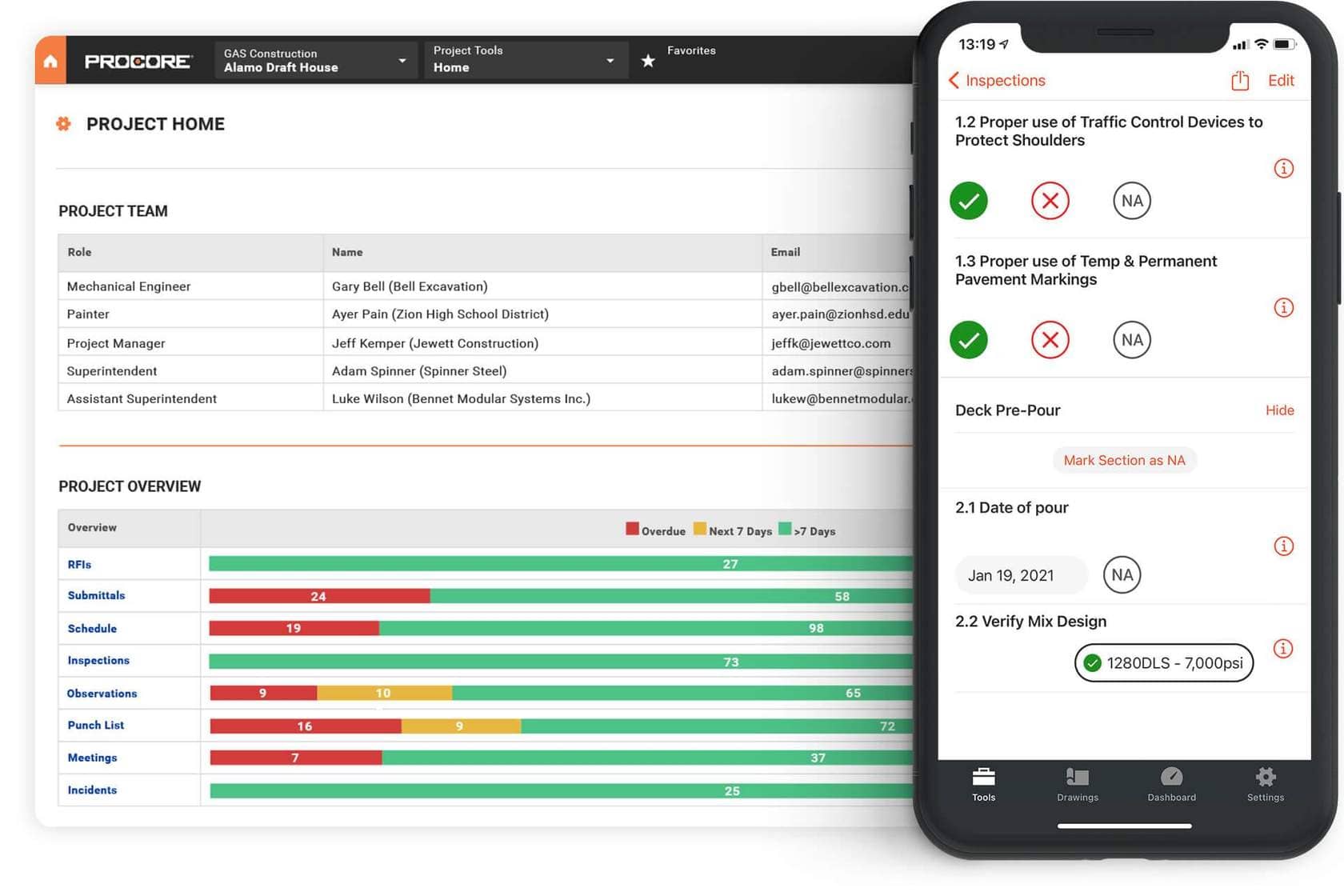
Procore - Construction Management
Procore is the singular solution that drives intelligent risk management across all your projects, from preconstruction to handover.
At Starfish Construction, we continuously develop processes and systems to provide added value to our network—our customers, employees, and supply chain partners. We are delighted to announce that we have invested in a highly-rated Project Management and communications platform: PROCORE.
Procore drastically increases project efficiency and accountability by streamlining and mobilising project communications and documentation. The system is a real-time data online platform that mitigates risk, creates transparency and accountability, and delivers controlled project management.
We provide project stakeholders with up-to-date Health and Safety information and Quality Assurance through the system. Starfish Construction's project programme updates, site diary log, and progress imagery are all documents controlled by technical information and revisions.
The construction industry is one of the world's most essential industries. Our sector is responsible for building and ensuring our safety across the places where we live, learn, work, and socialise. It can also be one of the most challenging to manage industries, defined by complexity, supply chain uncertainty, and high risk. Continually, Starfish Construction has ensured we create an open and honest communication channel between our business and our customers, and Procore will now assist in further developing that relationship.
Understanding the step-by-step RAAC remediation process enables property managers to plan effectively, allocate resources, and prepare for minimal disruption during the remediation. Starfish Construction’s commitment to safety and effective project management ensures that each project is completed to the highest standards of quality and efficiency.
In the following section, we explore how you should prepare your organisation for RAAC Remediation
Preparing Your Organisation for RAAC Remediation
Proper planning is essential to ensuring a smooth and efficient RAAC remediation process. Property managers, building owners, and key stakeholders need to be well-prepared, both financially and operationally, to minimise disruption and guarantee the safety of their property. This section focuses on the key areas of planning: budgeting, timelines, and communication strategies. Ensure you have investigated grants which may be available from local or national government agencies.
Timeline Preparation
RAAC remediation can vary significantly in terms of time and cost, depending on the size of the building, the extent of RAAC degradation, and the project's complexity. Early on, a detailed assessment is conducted to provide an accurate estimate of both the timeline and the cost.
Initial Assessment
Planning and Design
Execution
Budgeting Considerations
Careful planning of any remediation works will vary from building to building, and it is impossible to provide definitive guidance on the cost of remediation due to many factors, including the size of the building, location, and temporary works such as temporary roofing. One key factor is always planning for the unexpected. Once work starts, discovering hidden problems can be a major issue for any construction project.
Always prepare for the unexpected.
Overall Cost
The overall cost of RAAC remediation will depend on several factors, including the materials used, the project's complexity, labour requirements, and unforeseen issues. A well-defined budget should include contingencies for unexpected challenges, such as discovering additional areas of RAAC or further structural damage, or even the potential of asbestos material.
Cost Transparency
We provide transparent and comprehensive commercial quotes at the planning stage, ensuring that property managers and owners are fully aware of the financial commitments before work begins.
Securing Funding and Scheduling
To avoid delays in the remediation process, it is crucial to secure adequate funding as early as possible. This could involve allocating internal budgets, seeking external financing, or working with investors. Additionally, careful scheduling is important to ensure that remediation work does not disrupt building operations or occupants unnecessarily.
Minimising Disruption
By working closely with Starfish Construction, property managers can schedule remediation works during quieter periods, ensuring that business operations continue smoothly. For example, schools may prefer to conduct major works during school holidays, while commercial properties may opt for weekends or after-hours.

Be aware of other matters that may complicate the remediation process. One of these is asbestos. Asbestos was used in buildings at a similar time to RAAC, and it is therefore possible that asbestos is also present in many buildings with RAAC. This will increase the difficulty of remediation, as precautions will need to be taken to ensure asbestos is not disturbed or that it is adequately dealt with if it is.
Communication Strategies
Effective communication with all relevant stakeholders is essential for the success of any RAAC remediation project. Clear, regular updates help build trust and ensure that everyone is on the same page.
Stakeholders may include:
- Building Occupants: Whether employees, tenants, or visitors, occupants need to know the project timeline, how it might affect them, and what safety measures are in place.
- Investors and Stakeholders: Financial backers and investors must be informed of the project's costs.
- Regulatory and Funding Bodies: Regular communication with local authorities and health and safety regulators is important to ensure compliance with all legal requirements and guidelines.
Example Communication Plans
Starfish Construction recommends the following communication plan to ensure transparency and clarity throughout the project:
Initial Announcement
- Inform all stakeholders about the need for RAAC remediation, the potential impact, and the expected timeline.
- Provide details about safety measures and efforts to minimise disruption.
Regular Updates
- Share weekly or bi-weekly updates on progress, highlighting completed milestones and any potential changes to the timeline or budget.
- Ensure that key stakeholders, such as investors and building occupants, are kept informed of critical developments.
Sharing Completion News
- Once the project is completed, notify stakeholders of the results, including details of the improvements made and the building’s enhanced safety and structural integrity.
- Provide post-remediation maintenance plans and contact details for further support.
Stakeholder Hub
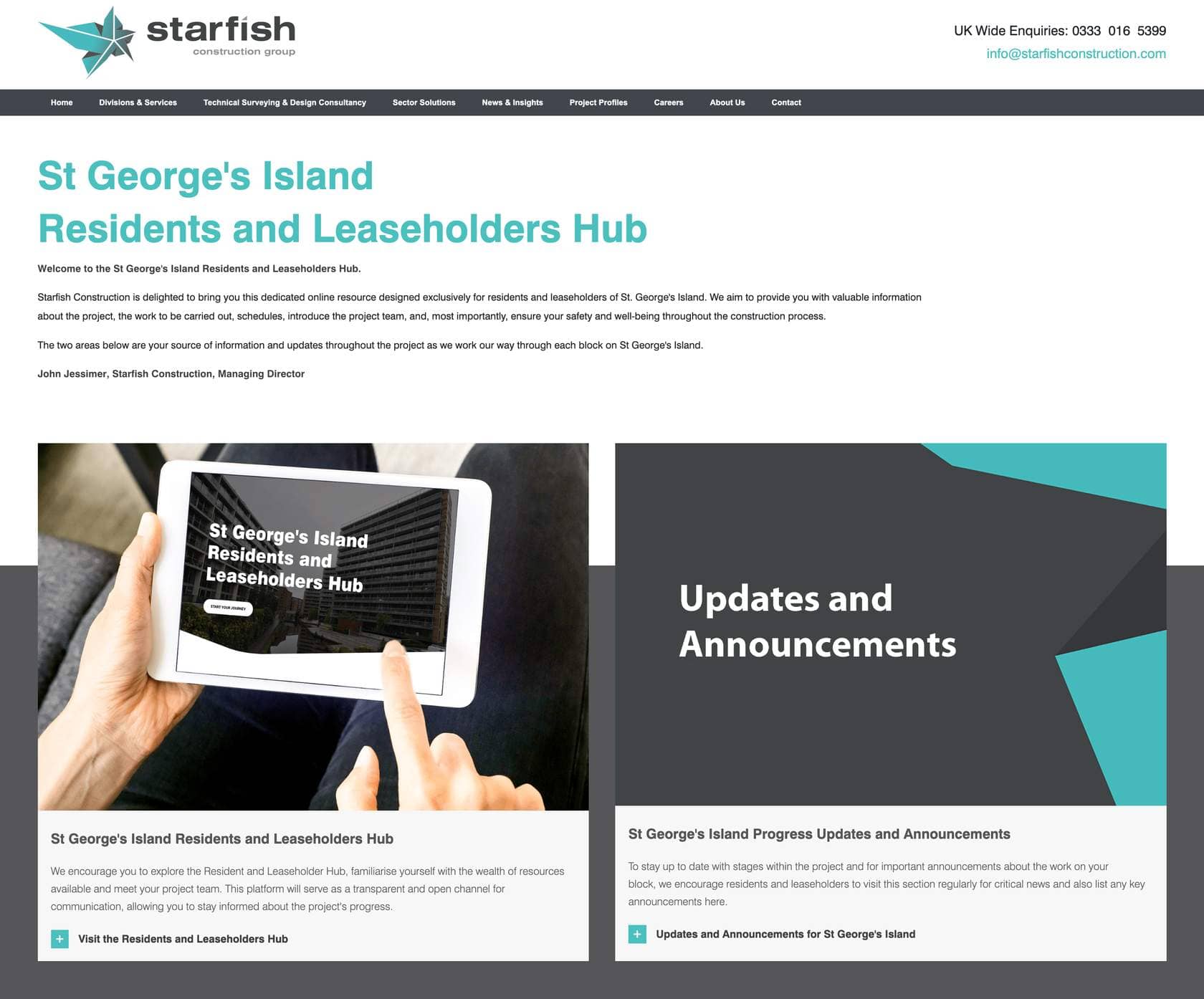
Starfish Construction carries out sensitive projects across the UK, and dealing with stakeholders, including residents, leaseholders, and commercial tenants, can be extremely challenging for portfolio managers and owners. We developed an industry-leading Stakeholder Hub, which allows everyone with a vested interest in the project and its outcomes to view a comprehensive online guide to the project, key milestones and any associated project updates.
The Hub enables stakeholders to engage and communicate with the project liaison officer and management team by using the reporting portal. Updates can be communicated to the stakeholders by email and on the project updates page.
The Hub below demonstrates the effectiveness of our stakeholder communications and transparency throughout the project. Visit our project hub example here: https://www.starfishconstruction.com/sgi-hub
In the final section we look at working with Starfish Construction
Working with Starfish Construction
Partnering with an experienced and reliable contractor like Starfish Construction is key to a successful RAAC remediation project. In this section, we explain how to engage Starfish Construction, what to expect during the partnership, and why our proven track record makes us a safe, compliant choice for RAAC-related work.
Engaging with us begins with an initial consultation. During this phase, our project managers and technical team can visit your site to conduct an initial survey, gathering information about the extent of the RAAC presence and its current condition.
- Scope Definition: After the consultation, we'll work with you to define the full scope of the project. This includes identifying the specific areas requiring remediation, developing a timeline, and agreeing on a budget.
- Contract Negotiation: Starfish Construction ensures that the contract terms are clear and fair. You can expect complete transparency and honesty regarding costs, timelines, and any potential contingencies.

We were delighted with the quality of service throughout, especially with Starfish Constructions’ excellent approach to Health and safety. From our initial discussions, developing and accommodating our requirements, right through to the completion of the project, we were reassured by the approach and efforts of the whole team at Starfish Construction.
What to Expect During the Partnership
Throughout the project, Starfish Construction maintains regular communication to ensure you are always updated on progress. You can expect the following during the partnership:
- Regular Updates: Weekly or bi-weekly progress reports are provided, along with any adjustments to the timeline or budget.
- Flexibility and Problem-Solving: Should unexpected issues arise, such as additional structural damage or delays due to weather, Starfish Construction works proactively to provide solutions that minimise disruptions and keep the project on track.
- Final Handover: Upon completion, a final inspection is conducted to ensure that the remediation work meets all necessary safety and structural standards. You will receive detailed documentation of the work performed, including any ongoing maintenance recommendations.
Client Testimonials
Starfish Construction has built a solid reputation of successful RAAC remediation projects. Client testimonials highlight our professionalism, reliability, and ability to manage complex projects within budget and on time.
On behalf of the Trust, I want to express our utmost satisfaction with the way this project has been managed. It stands as yet another outstanding example of our ongoing relationship with Starfish Construction and their highly professional team.
SCHOOL TRUST DIRECTOR
Recently Completed RAAC Project Images
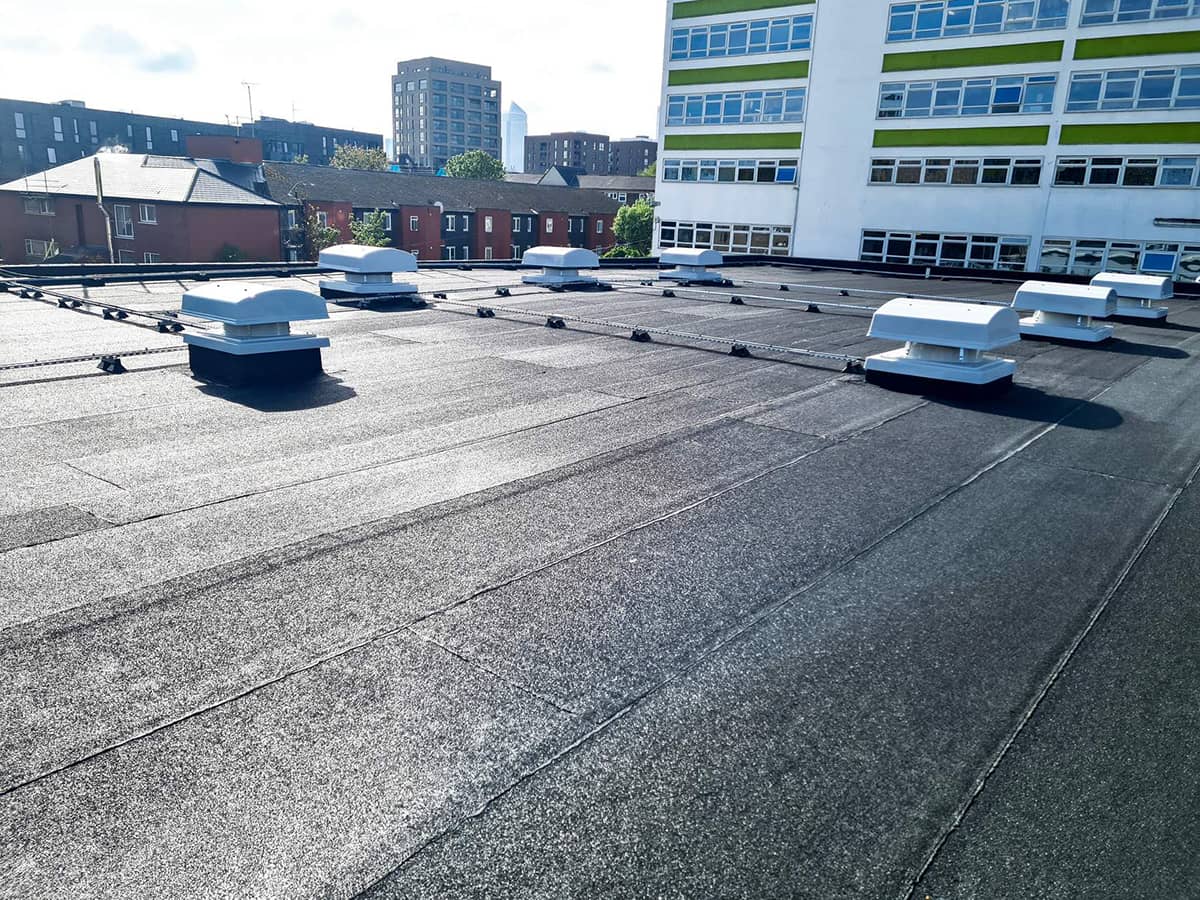
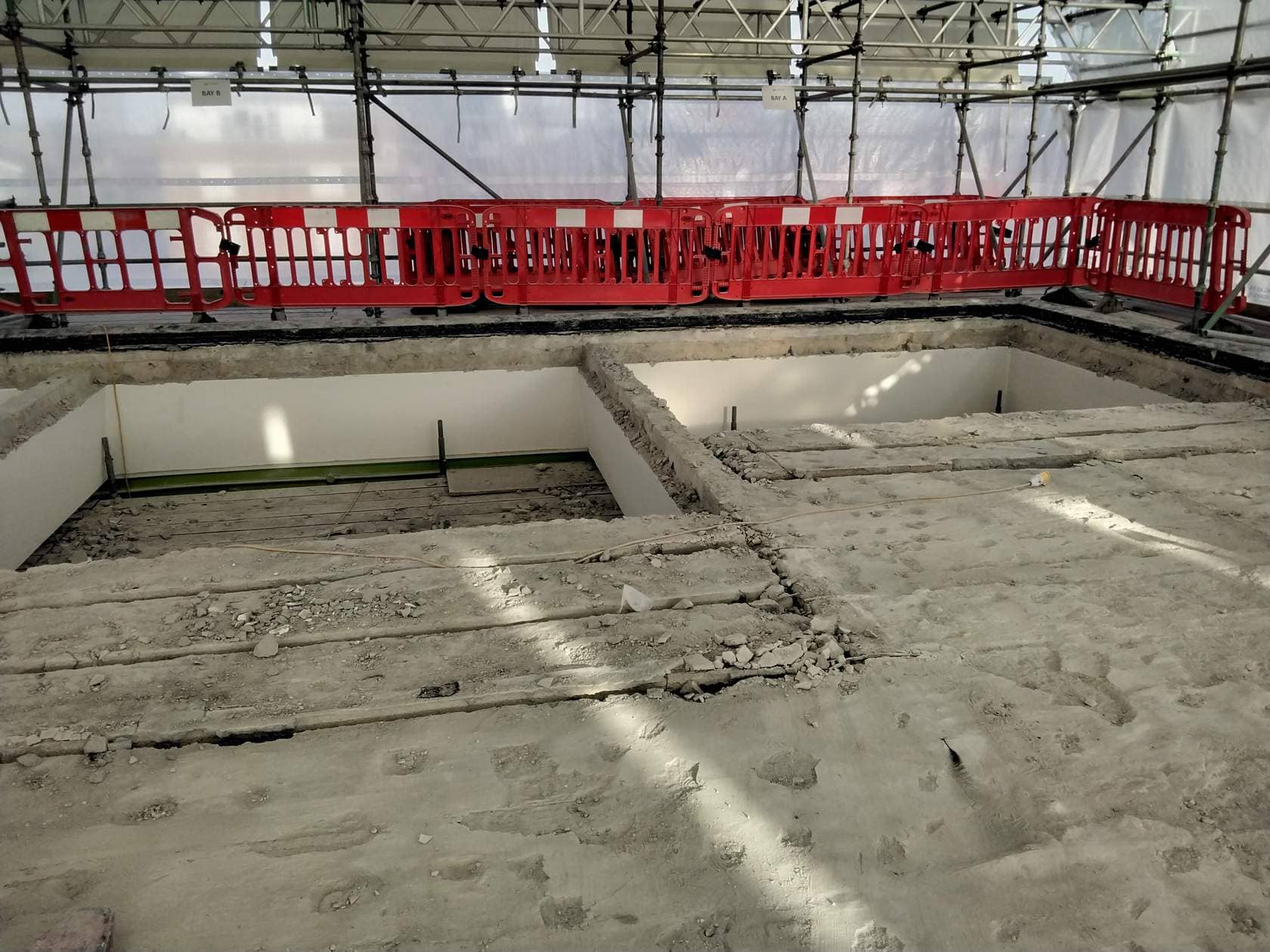
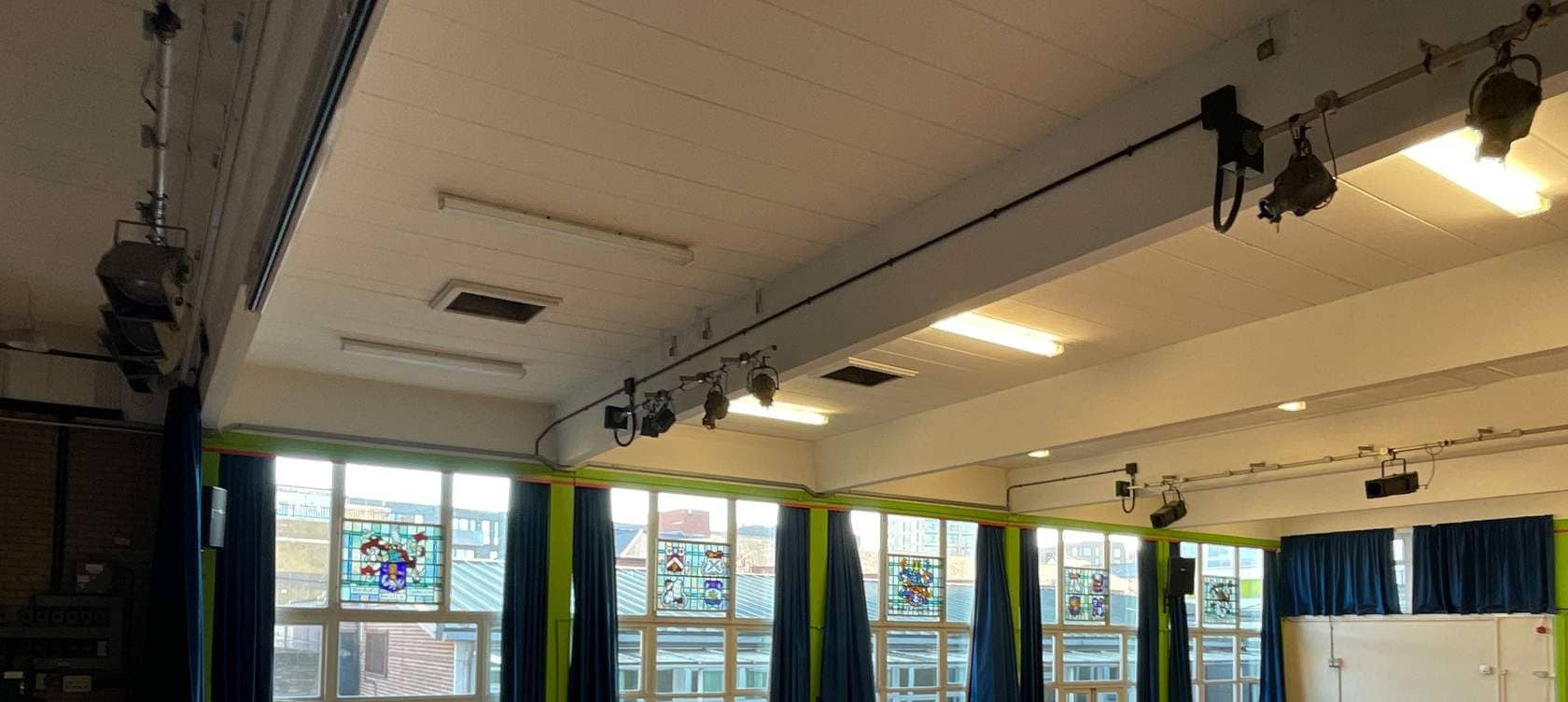
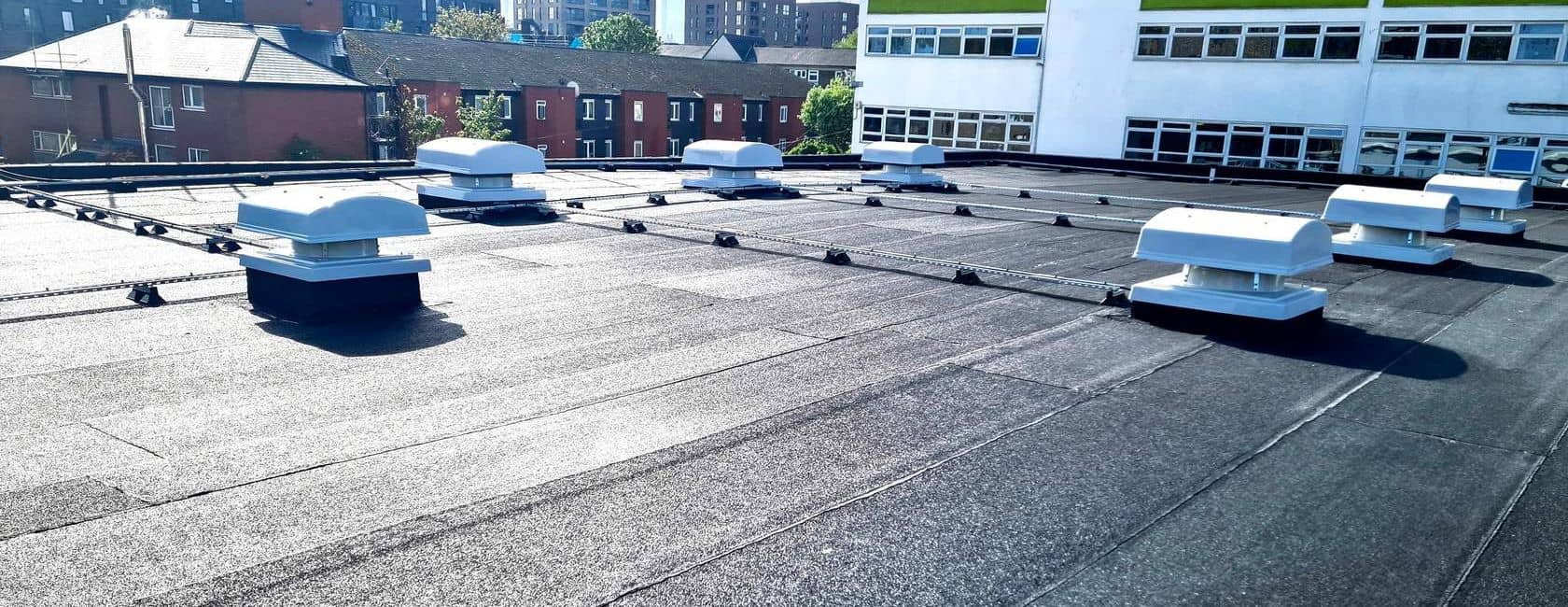
The client is an inner-city London Comprehensive co-educational academy for students aged 11–18. A survey identified RAAC within the gym hall roof. The School Trust, a previous client of Starfish Construction, invited us to tender a solution for the RAAC roof removal and replacement works.
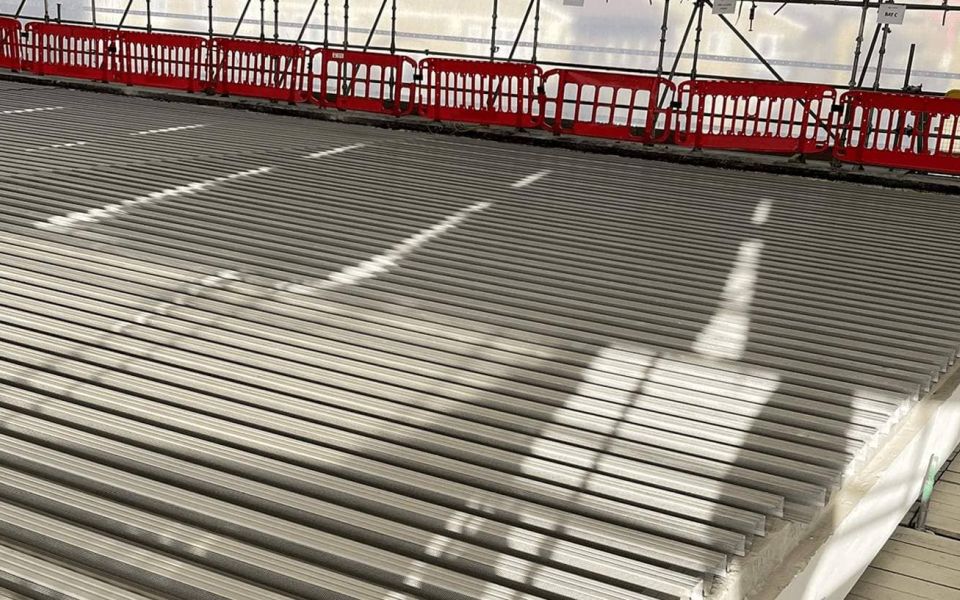
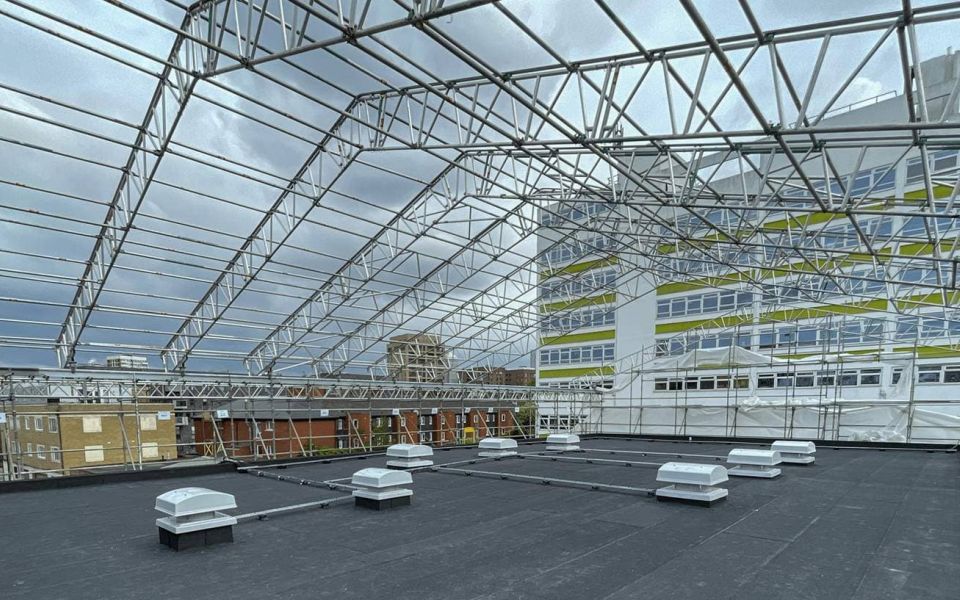
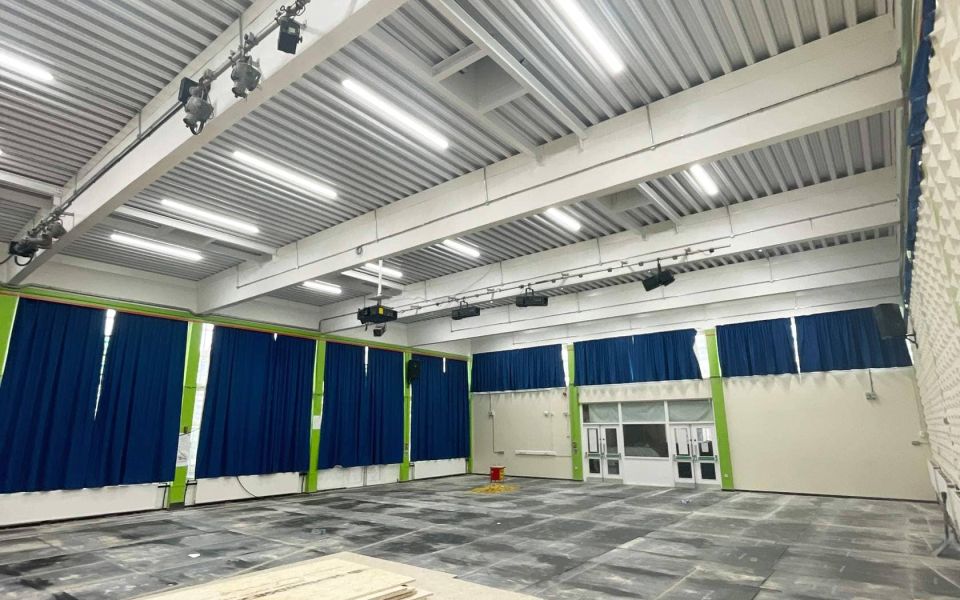
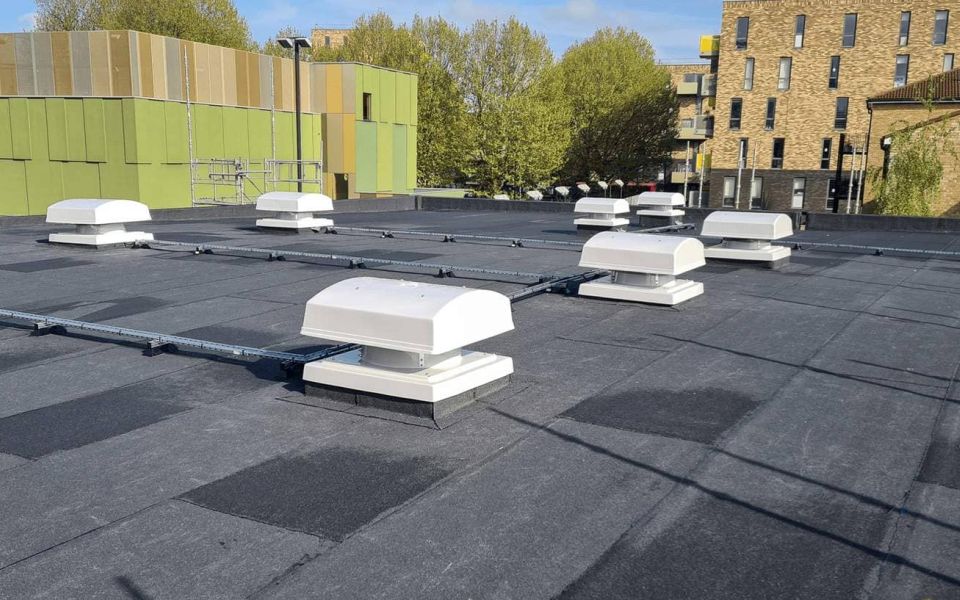
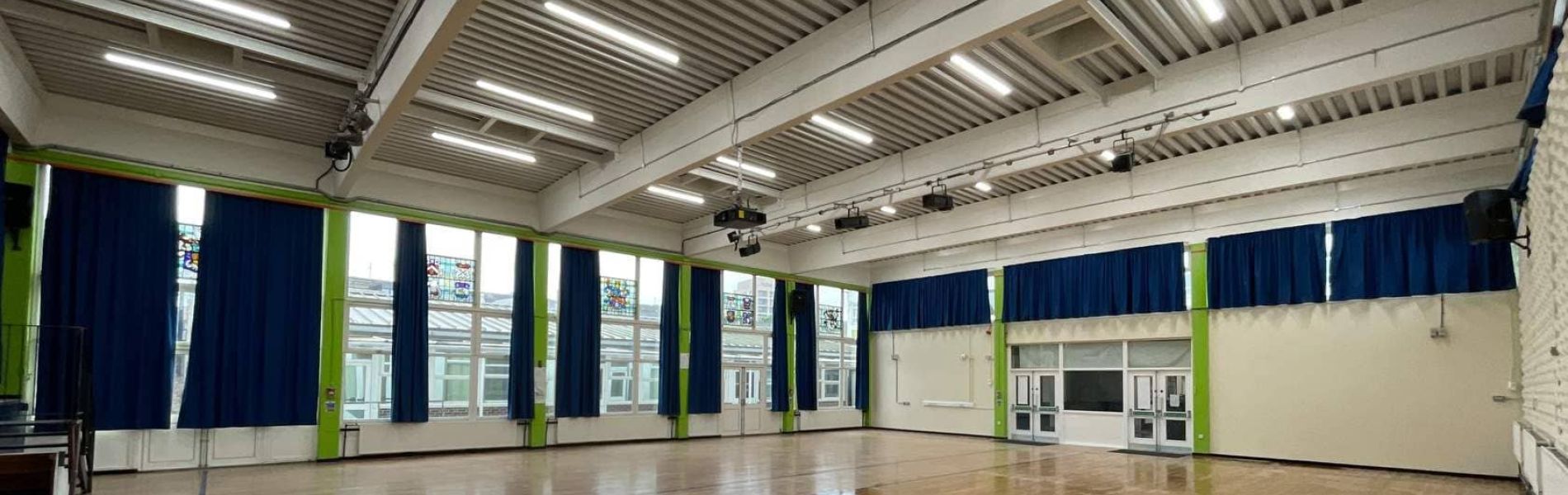
Of the significant number of schools contacted at the end of August regarding DfE's change in approach to RAAC, your project is the first to have completed the full removal of RAAC. Ministers are keen to keep abreast of the progress of removing RAAC from schools, and this will certainly be reported to them.
DEPARTMENT OF EDUCATION

How to get in touch
Starfish Construction has regional hubs nationwide, and our local team and industry experts will happily chat with you. Contact us now.
Visit Our Website
Our integrated services are led by our technical surveying and building consultancy, with our greatest asset at the core: our experienced people.
Contact Us Now With Your Enquiry
Do you have a project you would like to discuss? Visit our contact page to reach out to our specialist advisors.