Future-Proofing Commercial and Industrial Roofs
From Safety and Compliance to Renewable-Ready Solutions
Joe Sheridan, Associate Director, Projects Scotland, at Starfish Construction, joins us in this edition of our In-Focus series.

Commercial and industrial roofing is one of the most critical elements of the building envelope. Beyond keeping out the weather, a roof influences safety, sustainability, energy performance, and the ability to integrate future technologies, such as solar PV or M&E equipment. For property owners, facilities managers, and procurement teams, understanding the right roofing solutions—and the risks of getting them wrong—is essential to protecting assets, ensuring compliance, and delivering long-term value.

technical survey man sitting at computer simulation

AT A GLANCE

  • We explore remediation options from over-cladding to strip-and-replace.
  • Learn how to safely address asbestos or RAAC risks in compliance with regulations during roofing projects.
  • Understand the safety and regulatory requirements that govern roofing works on live, operational sites.
  • Discover how material selection and design impact durability, insulation, and sustainability.
  • Find out how to future-proof the structural integrity of roofs for solar PV arrays, HVAC, and ongoing maintenance.
In this Insight Interview, we speak with Joe Sheridan, Project Manager at Starfish Construction, who has extensive experience in commercial and industrial roofing projects. Joe shares his perspective on remediation options, regulatory obligations, hazardous material risks, and the role of design and planning in creating safe, sustainable, and future-ready roof solutions.
01

Joe, for those remediating an ageing commercial or industrial roof, what route options are there?


Joe: Typically, there are two routes: For flat roofing, it would involve overlaying the existing roof membrane with a compatible membrane roofing material such as felt, PVC or reinforced liquid coatings, which can enhance the life expectancy of the roof, sometimes this option will also include the addition of insulation to improve the U-value for the roof. The alternative is to completely strip the roof back to the structural deck and install a new fully compliant insulated waterproofing system.

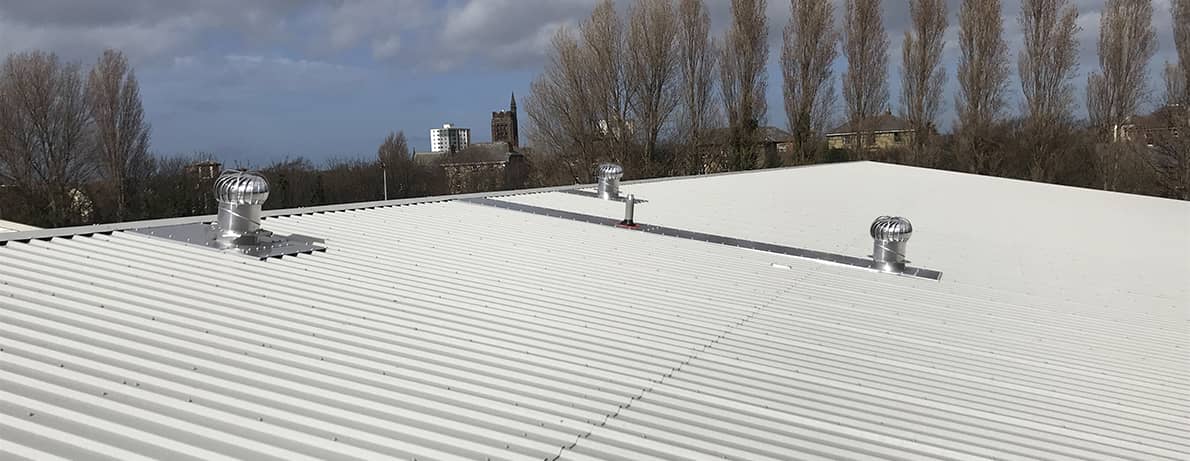
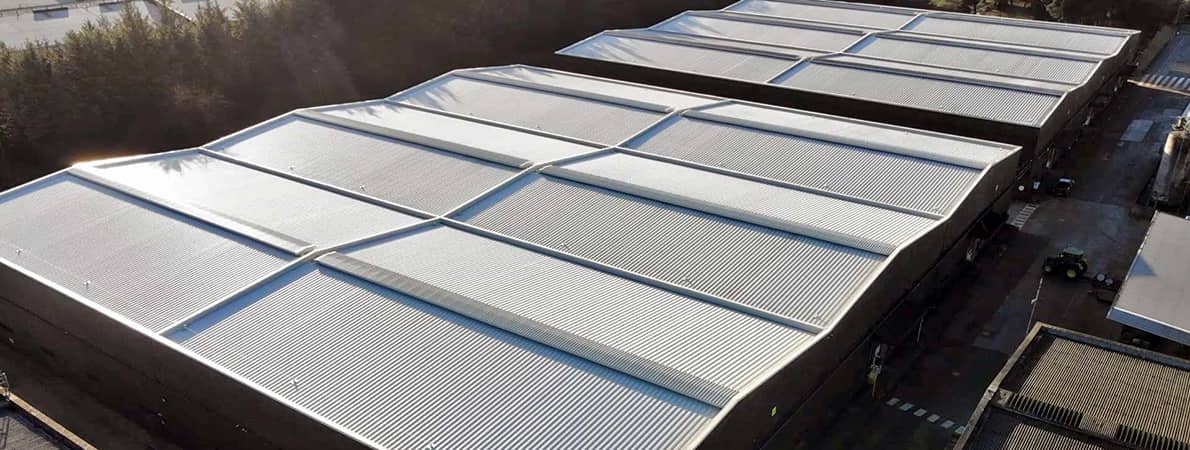
In relation to metal roofs, the options are over-cladding or strip-and-replace. Overcladding generally involves installing a lightweight purlin system directly on the top side of the existing roof, laying mineral wool insulation quilt between the purlins, and installing a single-skin metal sheet to provide the waterproofing aspect of the upgrade. The strip and replace option will involve removing the existing system back to the primary structure and, in most instances, installing new purlins before installing either a built-up metal system or an insulated composite cladding sheet.

warehouse roof

While more intrusive, it eliminates legacy issues, ensures long-term structural safety, and provides the longest service life. Final decisions on the re-roofing route depend on the condition, legacy materials, safety factors, clients’ long-term objectives, and, of course, available finances.
02
How are hazardous materials like asbestos or RAAC dealt with in roofing projects?

Joe: Safety is the primary priority when it comes to a building’s roof. We begin with detailed technical surveys to assess moisture, structural integrity, asbestos-containing materials (ACMs), and RAAC (Reinforced Autoclaved Aerated Concrete), and provide comprehensive condition reports.

For roofs where ACMs are suspected or identified, our SEAS (Starfish Environmental and Asbestos Services) HSE-licensed division supports clients in diagnosing ACMs, creating an asbestos management plan, and either encapsulating ACMs through over-cladding or managing safe removal and re-roofing.

ACMs require careful investigation, planning, removal, and disposal. Where materials are intact, over-cladding can safely encapsulate them. A structural engineer's input is required to validate the options and, if necessary, to determine whether to install steel sections under the RAAC to stabilise rather than remove, if there is damaged or friable material. But depending on the engineer's findings, licensed removal may be deemed the best option. Our recent RAAC strengthening project for Scottish Water highlights this method over removal.. It can’t be overclad safely, and replacing this material is essential. At Starfish Construction, we thoroughly survey every site, bring in our specialist teams, and ensure compliance with HSE guidance. The aim is to manage risks transparently so building owners know exactly what’s in their roof and how we’ll remediate it.

checked document icon
03
What safety precautions and planning are required when carrying out roof works on live facilities?

Joe: Planning is everything. Under CDM Regulations, the client, principal designer, and contractor all have clear responsibilities. For us, that means designing safe access, installing edge protection, and using scaffolding or mobile platforms correctly and safely.

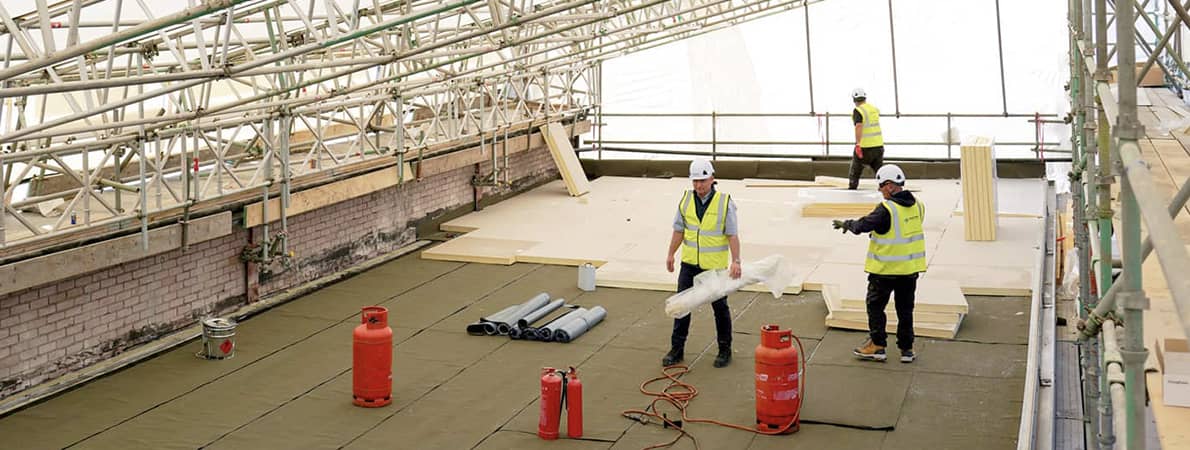
When buildings remain operational, we work closely with facility managers to segregate areas, protect people inside, and ensure business continuity. Temporary safety decks, crash nets, and uni-rolling roof sheeting systems are just some of the ways we keep sites safe and operations running. With proper planning, even high-risk works can be delivered without incident or disruption.
04

Which regulations and standards must a roof refurbishment comply with?


Joe: Compliance is non-negotiable. Beyond CDM and Work at Height rules, refurbishments often trigger Building Regulations, specifically Part L (energy efficiency), Part B (fire safety), and Part A (structural adequacy). For example, if more than 25–50% of a roof is replaced, it must be upgraded to current insulation standards.

work people flooring an indoor space

Structural checks are critical too; over-cladding adds load, so we calculate whether the building can handle it. Clients don’t always realise these obligations upfront, which is why our role as Principal Designer and Principal Contractor is to navigate approvals, manage building control submissions, and ensure projects remain compliant from design to completion.
John Jessimer
quote decoration

“A commercial roof isn’t just a weather barrier — it’s an asset that can drive safety, compliance, and sustainability. By planning carefully, owners can unlock its full potential, from long-term protection to renewable energy opportunities.”

Joe Sheridan,
Associate Director, Projects Scotland, Starfish Construction
05

What materials and systems should building owners consider for a durable and sustainable roof upgrade?


Joe: At Starfish, we work with a wide range of roofing materials and systems, including industry-leading brands tailored to each project.

Metal cladding systems, whether insulated composite panels or built-up systems, are standard on pitched industrial roofs. They’re durable, energy-efficient, and come with extended warranties. For flat roofs, membranes such as bituminous felt, PVC, EPDM, and Reinforced Liquid Coatings offer excellent performance. The choice of material comes down to a range of factors, including roof configuration, number of penetrations, life expectancy and budget.

Insulation is key, and clients can realise significant energy savings when upgrading from thin legacy insulation to modern high-performance boards. We also examine design details such as guttering, rooflights, and coatings to ensure the roof is robust and easy to maintain. For us, the goal remains the same: to deliver a system that’s safe, durable, and sustainable.

consultants reviewing a document
06
Can new or refurbished roofs be designed to support solar panels or mechanical and electrical (M&E) equipment?

Joe: Definitely, and more and more clients are exploring the potential of their roof—often a redundant space—to support renewable technologies like solar PV. Structural loading is a significant factor, as solar PV arrays, air-handling units, and chillers all add weight and create wind uplift; therefore, early-stage design consultation is essential.

During refurbishment, we can reinforce structures, install penetration points or curbs, and design safe access routes. That way, when the client is ready to add renewables or plant equipment, the roof is already prepared. It’s far more cost-effective to plan for these future developments than retrofit later.

07

How should clients plan for ongoing roof maintenance once a project is complete?


Joe: A new roof is a significant investment—one reason so many clients are also discussing solar to offset costs, achieve energy independence, and ensure long-term payback. But like any asset, a roof requires scheduled maintenance and care to align with warranties and ensure longevity.

We recommend incorporating safe access features, such as hatches, walkways, or fall Arrest systems. Setting up a maintenance schedule is vital: regular inspections, gutter cleaning, and fixing minor defects before they escalate will extend the roof’s life. Many warranties also require annual checks. Our approach is to hand over not just the roof, but a complete maintenance guide so facilities teams know how to manage it safely.

roofing area

Many thanks to Joe Sheridan for sharing his expertise on this vital subject.

At Starfish Construction, we deliver safe, compliant, and sustainable roofing solutions across commercial and industrial buildings. From surveys and technical design through to remediation and renewable integration, our experienced teams help clients protect assets, improve performance, and prepare for the future.

Contact Us

To make the right decisions for your property, our advisors can guide you. Complete our online form with your details and a member of our specialist building envelope team will contact you.
Contact Us

Please type your First Name.
Please enter your Last Name
Please enter a valid email address
Invalid telephone number.
Please enter your Company Name
Invalid Input
Please enter services you are looking for
Please enter a message
Starfish Construction Group is committed to providing you with relevant updates. If you would like to receive information from us please select the Yes option.
Signup(*)
Signup
Please select an option