
De-risking Projects - PCSA & Commercial Leadership
Supporting Safe, Compliant, and Sustainable Delivery Under the Building Safety Act
Daniel Jessimer, Commercial Director at Starfish Construction, joins us in this edition of our In-Focus series.

In today's construction landscape, few areas carry more weight than the pre-construction phase. With the introduction of the Building Safety Act (BSA) and increasing regulatory oversight from the Building Safety Regulator, projects face unprecedented scrutiny at every stage. A structured Pre-Construction Services Agreement (PCSA) has become central for de-risking complex façade remediation and higher-risk building envelope projects under the BSA, supporting compliance and providing clients with greater cost confidence and programme clarity before works even begin.
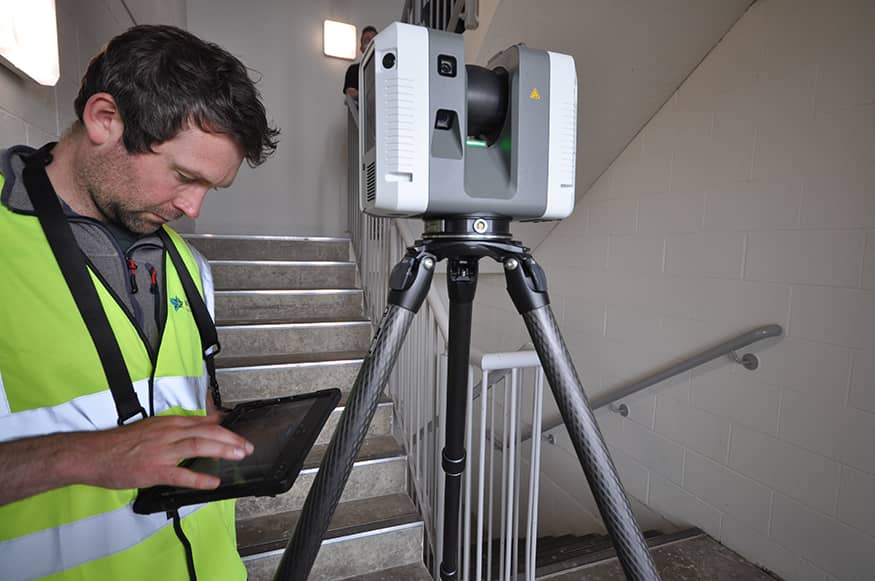
technical survey

AT A GLANCE

  • Understand what a PCSA is and why it is now central to safe project delivery.
  • Learn how Gateway submissions affect timelines and why thorough preparation is crucial.
  • Explore the value of combining Principal Designer and Principal Contractor (Building Regulations) roles from pre-construction to project handover stages.
  • Explore how commercial management can help support expenditure, safety, programme, and procurement.
  • Discover how we integrate sustainability from the outset to align with our ESG objectives.
  • Gain practical advice for duty holders and building owners navigating compliance under the Building Safety Act.
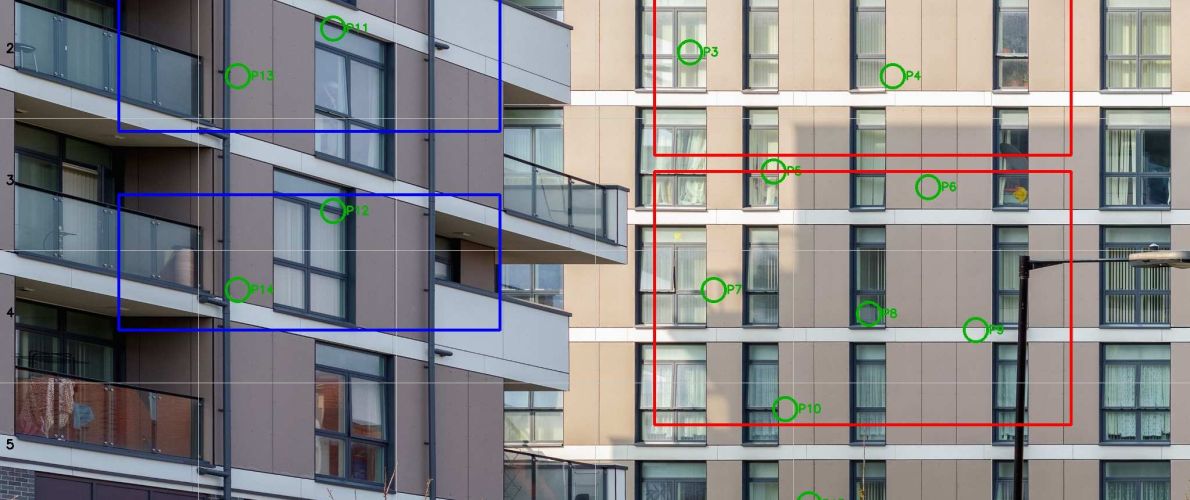
In this Starfish Construction Insight Q&A Interview, we speak with Daniel Jessimer, Commercial Director, about the essential role of PCSA and project commercial management. In façade remediation and Higher-Risk Building projects, PCSAs are particularly valuable because they enable technical investigations, fire-compliance design, and Gateway submission preparation to be completed before construction begins.

Daniel explains how Starfish Construction supports clients through investigations, regulatory submissions, and improved cost certainty, while integrating its Principal Designer and Principal Contractor expertise under The Building Regulations (Part 2A) to deliver clarity, support compliance, and provide confidence from the very start of a project.
01

Daniel, let's start with the basics—what is a PCSA, and why is it so important today?


Daniel:  A Pre-Construction Services Agreement (PCSA) is a procurement approach in which a contractor is appointed to undertake and support the design phase, before main construction works begin. This allows clients to access technical expertise early, validate design solutions, manage risk, coordinate design development, and prepare projects for regulatory approval with greater cost confidence and programme certainty.

computer generated simulation of construction area

In practice, this means we can thoroughly examine the design, conduct surveys, and plan logistics in detail before the project site kick-off. In today's Building Safety Act environment, early involvement isn't just practical; it's critical. It's the point where we identify project risks, prepare safety case documentation, and the project aligns with regulatory expectations.

02
How do PCSA and Gateway submissions connect, and what challenges do clients face with these requirements?

Daniel: The Building Safety Act introduced three statutory Gateways for Higher-Risk Buildings (HRBs), designed to ensure that safety, support regulatory compliance, competence, and buildability are clearly demonstrated through evidence before a project progresses.

These Gateways apply to buildings generally defined as 18 metres or seven storeys or more and containing two or more residential units, with certain hospitals and care homes also included. Gateway 1 occurs at planning, Gateway 2 requires approval from the Building Safety Regulator before construction can begin, and Gateway 3 confirms the building is safe to occupy at completion.

Gateway 2 submissions are particularly detailed, and reviews by the Building Safety Regulator can take many months, depending on the complexity and quality of the submission. A well-structured Pre-Construction Services Agreement (PCSA) allows the project team to front-load key activities such as condition surveys, intrusive investigations, design development, and Golden Thread information preparation, all of which ensure Gateway submissions are robust, helping to reduce the risk of delays. It is important to distinguish between Higher-Risk Buildings (HRBs) and non-HRB projects. Formal Gateway approvals apply only to HRBs; the PCSA process is equally valuable for non-HRB projects in coordinating compliance, design development, and buildability.

03

Do Gateway requirements apply to all projects, and what role does a PCSA play in non-HRB developments?


Daniel: Good question! It is important to distinguish between Higher-Risk Buildings (HRBs) and non-HRB projects. The formal Gateway approval process applies only to HRBs under the Building Safety Act.

However, non-HRB projects still require full Building Regulations compliance, and must appoint a Principal Designer and Principal Contractor under the regulations. While these projects do not pass through Gateway approvals, the early collaboration provided by a PCSA is still extremely valuable.

For non-HRB developments, a PCSA helps de-risk compliance, coordinate design, address buildability challenges, and provide commercial certainty, even though the statutory Gateway approval process does not apply.

checked document icon
04
What role does Starfish Construction play as Principal Designer and Principal Contractor in the PCSA stage?

Daniel: Where appropriate and aligned with dutyholder appointments, Starfish Construction can act as both BR Principal Designer (BRPD) and BR Principal Contractor (BRPC), providing a seamless approach to safety and compliance. These appointments are underpinned by strict competence requirements, aligned with PAS 8671 and PAS 8672, and supported by the Skills, Knowledge, Experience, and Behaviours (SKEB) framework, ensuring that dutyholder roles are fulfilled by appropriately qualified and capable teams.

Under the Building Regulations, the Principal Designer is responsible for planning, managing, and monitoring the design work to ensure that, if built as designed, the project complies with all applicable regulatory requirements, while the Principal Contractor is responsible for planning, managing, and monitoring the construction phase to ensure that the works are delivered in accordance with those regulations and the approved design.

As BRPD, we design out risk wherever possible, coordinating input from architects, engineers, and fire consultants. As BRPC, we document and plan how the works will be delivered safely, integrating sequencing, procurement, and logistics.

When these roles are combined at the PCSA stage, it enables a more integrated approach, with a single team coordinating the Golden Thread of safety information and supporting clearer accountability. This can be particularly valuable when preparing Gateway submissions and supporting compliance, while still ensuring that dutyholder responsibilities are clearly defined and appropriately appointed.
05

How does commercial management during PCSA improve cost certainty and programme clarity for clients?


Daniel: Commercial leadership in the PCSA phase is about turning uncertainty into clarity. We validate design proposals against real-world buildability, provide more accurate cost forecasts, and develop procurement strategies that reflect market conditions.

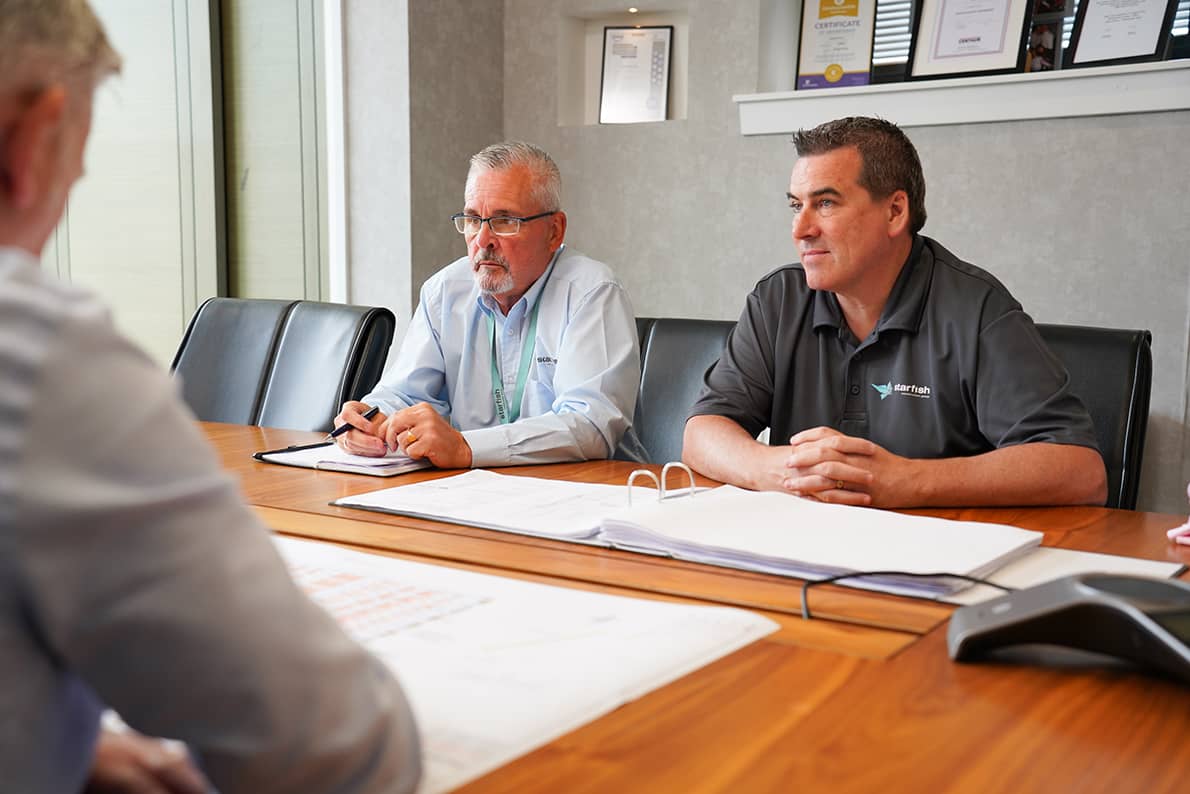
review panel in a meeting

One of the most significant risks we often encounter is in procurement, particularly for specialist cladding and fire-rated systems, where lead times can extend without proper procurement management. Without early engagement, this can cause severe programme delays. That's why, as part of the PCSA process, we engage our procurement teams in the planning. We establish honest and transparent relationships with our supply chain partners early, validate material availability, and procure products aligned with Gateway requirements.

By doing this, we protect our clients from supply chain shocks, avoid last-minute substitutions, and ensure that procurement strategies are realistic, transparent, and aligned with budgets and programme delivery. The result is improved cost certainty, programme confidence, and providing support on compliance—three things every duty holder needs under today's regulatory and financial pressures.

John Jessimer
quote decoration

“The PCSA stage is where we ensure clients succeed, on safety, while supporting compliance, and providing more clarity on cost. By front-loading the process, we help our clients make confident, informed decisions that stand up to regulatory scrutiny and deliver long-term value.”

Daniel Jessimer,
Commercial Director, Starfish Construction
06

What risks do clients face if they don't fully invest in the PCSA stage?


Daniel: The risks are significant. Without a structured PCSA, projects often suffer from incomplete design, underestimated budgets, and insufficient risk assessment. That can lead to rework, disputes, and worst of all, non-compliance with the Building Safety Act.

For higher-risk buildings, you cannot bypass Gateway requirements. If your submission isn't comprehensive, you face delays of months or even years. Investing in a thorough PCSA isn't an added cost—it's the best insurance policy a project can have.

We help manage risk in practice during the PCSA stage by establishing structured quality plans, defined hold points, and digital project controls aligned with risk, supporting regulatory requirements, and buildability. These hold points help ensure that key safety, fire, and compliance decisions are reviewed and agreed upon before the project progresses, reducing the risk of late design changes or regulatory rejection. 

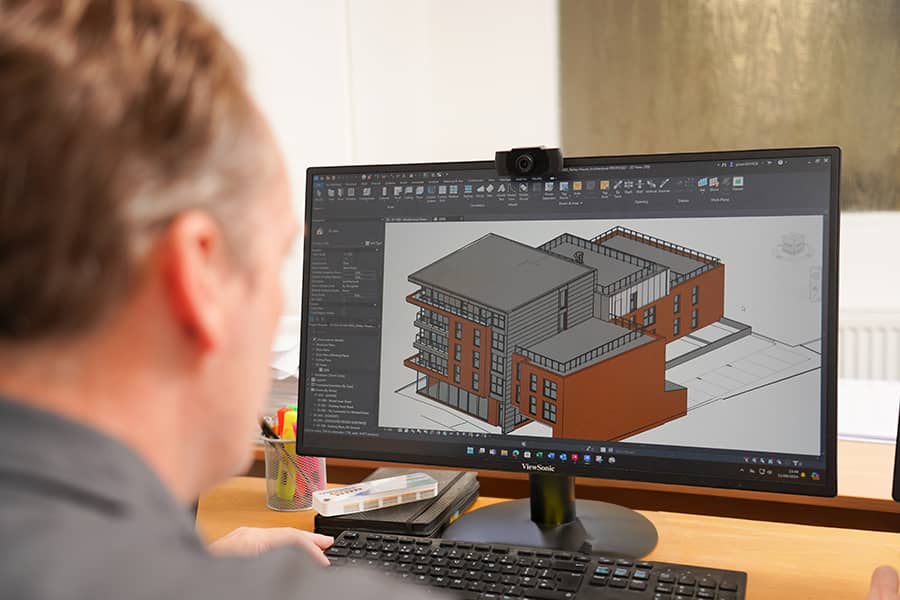
creating computer simulation of building
07
How does sustainability and ESG integration fit into PCSA and project commercial management?

Daniel: We embed sustainability measures from the outset. In the PCSA stage, we advise on materials with low embodied carbon, plan insulation and energy efficiency measures, and build waste reduction into logistics. We also ensure projects align with our and our clients' ESG goals and future-proof assets for regulatory changes.

Making these decisions early, rather than bolting them on later, saves costs and delivers real long-term value for both the building owner and the communities interacting with properties, including residential blocks, public buildings, and mixed-use developments.
08
How does Starfish Construction help manage risk and support compliance in practice during PCSA and construction?

Daniel: For clients and surveyors, the key question is not just what the regulations require, but how those risks are controlled and evidenced throughout the project. At Starfish Construction, our focus is on consistently delivering four things: control, support assurance, evidence, and stakeholder confidence.

We manage this process using digital project platforms such as Procore, which serves as the central repository for quality-assurance records, design reviews, and evidence for Gateway submissions. It captures compliance documentation and approval records in a structured and auditable manner.

On Higher-Risk Building projects, this level of digital control is essential because construction cannot proceed until the required information and approvals are in place. However, the same approach is equally valuable for non-HRB projects, allowing us to help support regulatory compliance and maintain a transparent, verifiable project record.

This structured approach is particularly important on façade remediation and building envelope projects, where fire safety compliance, material performance, and resident safety must all be evidenced before work progresses. Ultimately, the objective is simple. Clients need confidence that risks are actively managed, decisions are properly documented, and compliance alignment can be demonstrated at every stage of the project lifecycle.

09

Daniel, you’ve talked about managing risk and supporting compliance, but how does that translate into projects in occupied residential buildings?


Daniel: Working in occupied residential buildings adds another layer of responsibility. It is not just about managing technical and regulatory risk; it is also about managing people risk, because residents are living in the building while the work is being carried out. In façade remediation projects, especially, careful planning is essential. Access, fire safety, temporary protection measures, and construction sequencing all need to be designed so that the building can continue to operate safely while works progress. Our experience in occupied façade remediation projects means we understand how to balance construction activity with residents’ day-to-day lives.

A key part of this approach is transparency and communication. For many of our projects, we provide a resident information hub that gives occupants clear, accessible information about the works taking place, the programme, and what to expect at each stage. This helps residents understand the process and provides reassurance that the project is being managed responsibly. Providing residents with clear information through a dedicated project hub supports transparency and aligns with the Building Safety Act's principles of accountability and building-user engagement.

By combining structured project controls with proactive resident communication, we can manage both the technical and human aspects of risk on occupied residential buildings.

10

Finally, what advice would you give to building owners and duty holders navigating PCSA, Gateways, and commercial management?


Daniel: My advice is simple: act early, and act with competence. Engage with experienced partners who understand not only the technical and commercial aspects, but also the regulatory landscape. We've managed and supported clients on some of the most complex and challenging building remediation projects in the UK.

Don't wait for Gateway deadlines to loom. Prepare your safety case, cost plan, and procurement strategy upfront. By doing so, you'll not only de-risk your project but also create a smoother, faster path to safe and compliant delivery.

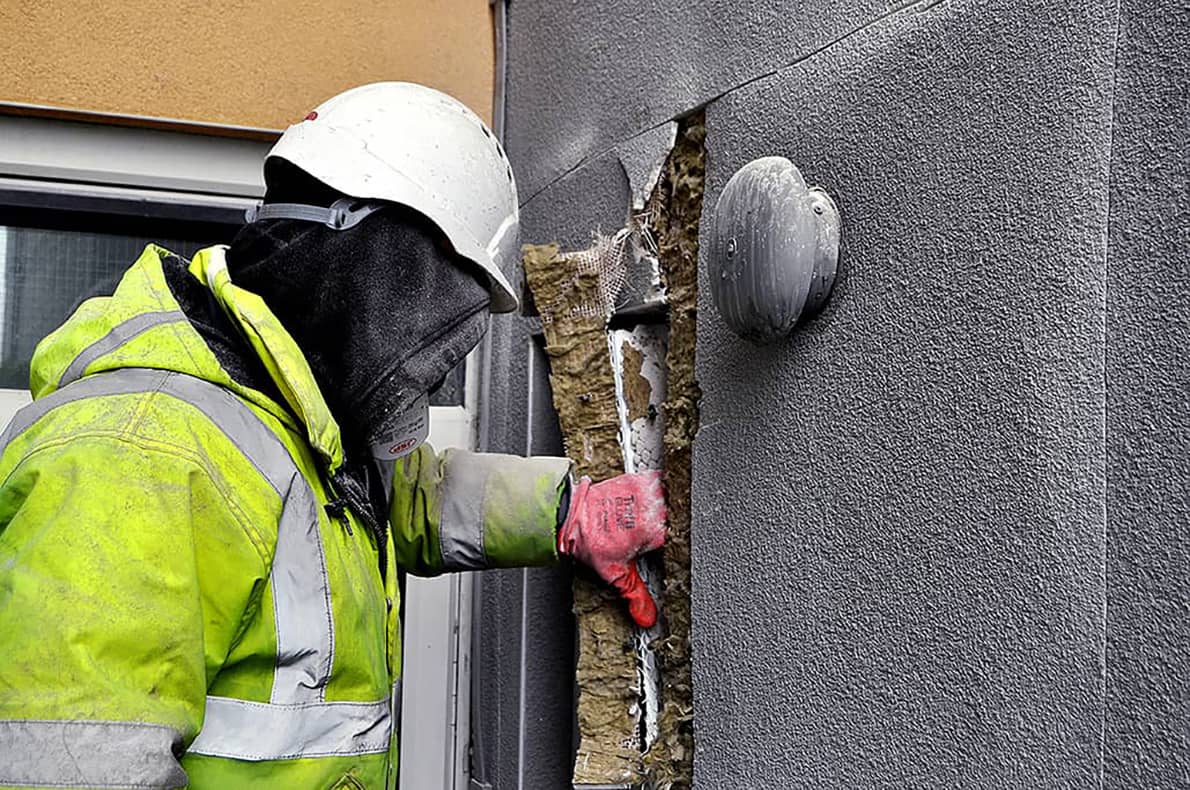
person in PPE removing material from a building exterior

Many thanks to Daniel for sharing his expertise on this vital subject.

At Starfish Construction, we provide trusted leadership across PCSA, Gateway submissions, and project commercial management. When appointed as both Principal Designer and Principal Contractor, our integrated divisions and knowledgeable team ensure clarity, support compliance, and help provide some cost certainty throughout the project journey, while supporting clients in meeting the requirements of the Building Safety Regulator under the Building Safety Act.

Contact Us

To make the right decisions for your property, our advisors can guide you. Complete our online form with your details and a member of our specialist building envelope team will contact you.
Contact Us

Please type your First Name.
Please enter your Last Name
Please enter a valid email address
Invalid telephone number.
Please enter your Company Name
Invalid Input
Please enter services you are looking for
Please enter a message
Starfish Construction Group is committed to providing you with relevant updates. If you would like to receive information from us please select the Yes option.
Signup(*)
Signup
Please select an option