
Technical Surveying Services
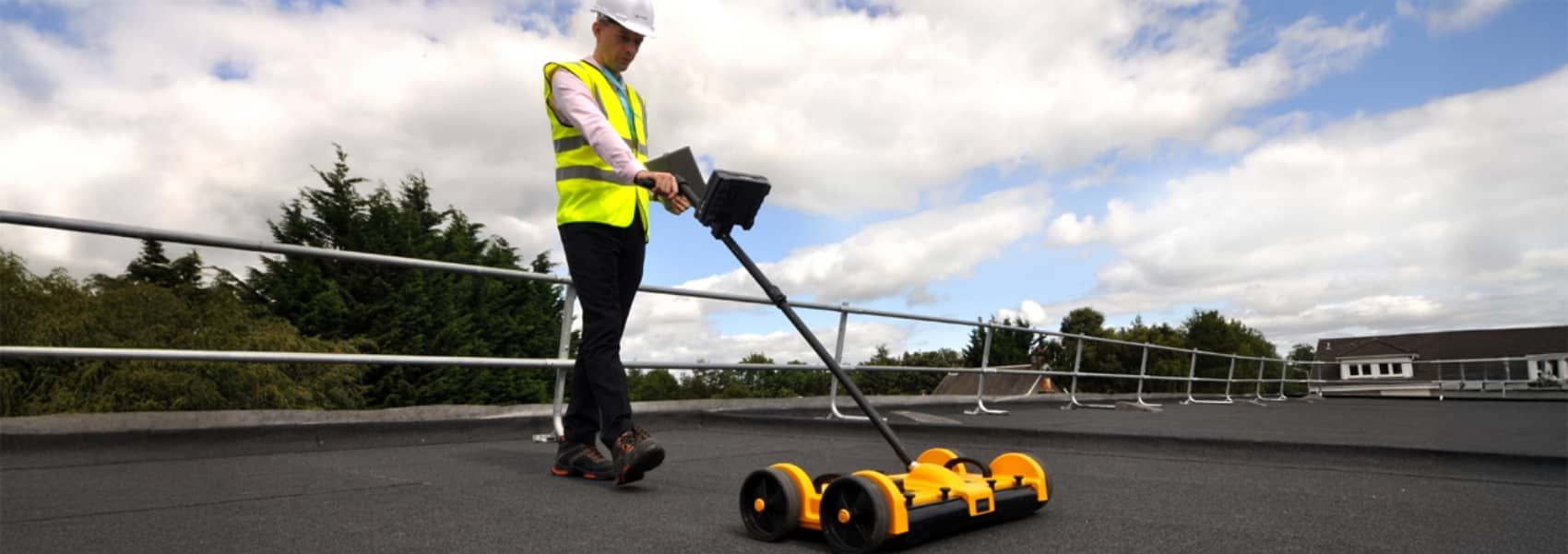
To deliver a complete and accurate understanding of the condition of your industrial and commercial roofing, we provide an extensive range of advanced surveying techniques, each selected to uncover specific performance, safety (including RAAC and Asbestos Roofing), and structural integrity insights. Using non-intrusive drone & thermal imaging and detailed core sampling & compliance reviews, every method has technical expertise from knowledgeable people at its core.

Drone and Thermographic Surveys
Combining high-resolution aerial imaging with thermal scanning technology, drone and thermographic surveys provide a detailed, non-intrusive assessment of your roof. This method quickly identifies hidden issues such as water ingress, insulation failures, and thermal bridging, offering valuable insight with minimal disruption to operations. This survey technique is ideal for large or complex roof structures and delivers detailed data for informed decision-making.
Moisture Mapping
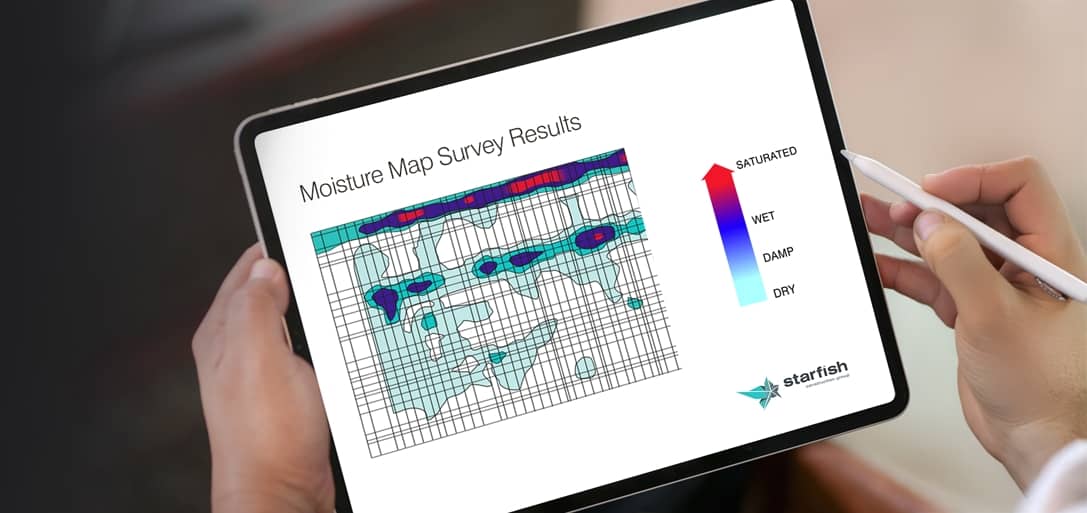
Moisture mapping pinpoints trapped water within the roof system, helping to prevent long-term structural damage and mould growth. Using advanced scanning technology, it traces the spread of moisture across multiple layers of the roof build-up, giving a clear picture of affected areas, and enables focused remedial action, saving on unnecessary replacement and preserving building integrity.
Electronic Leak Detection
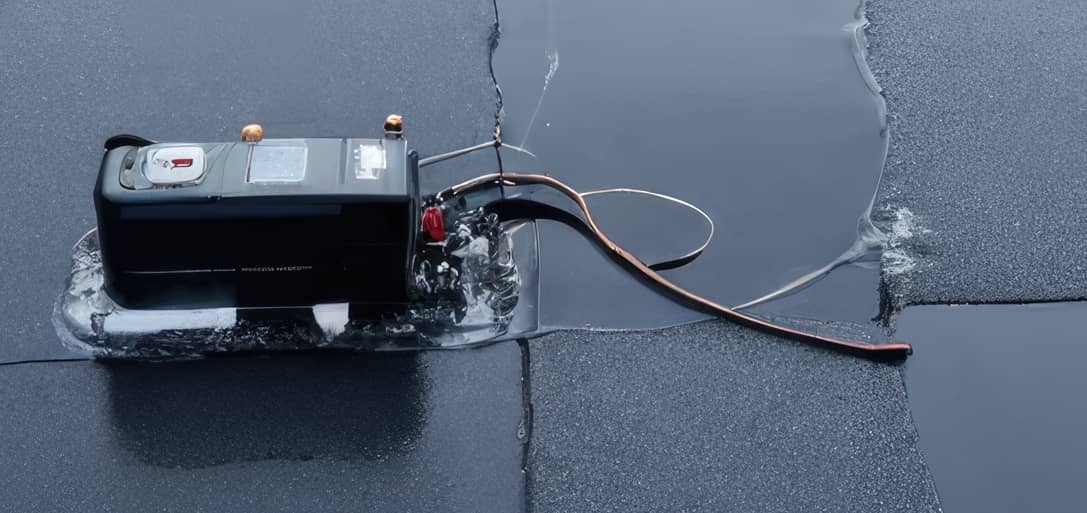
This non-invasive technique locates membrane breaches and waterproofing failures with pinpoint accuracy. Commonly used in many flat roof inspections, electronic leak detection can identify even the smallest punctures or splits in flat roofing systems using low-voltage or high-voltage testing methods. It delivers fast, reliable results and supports effective maintenance planning without the need for destructive testing.
Core Sampling
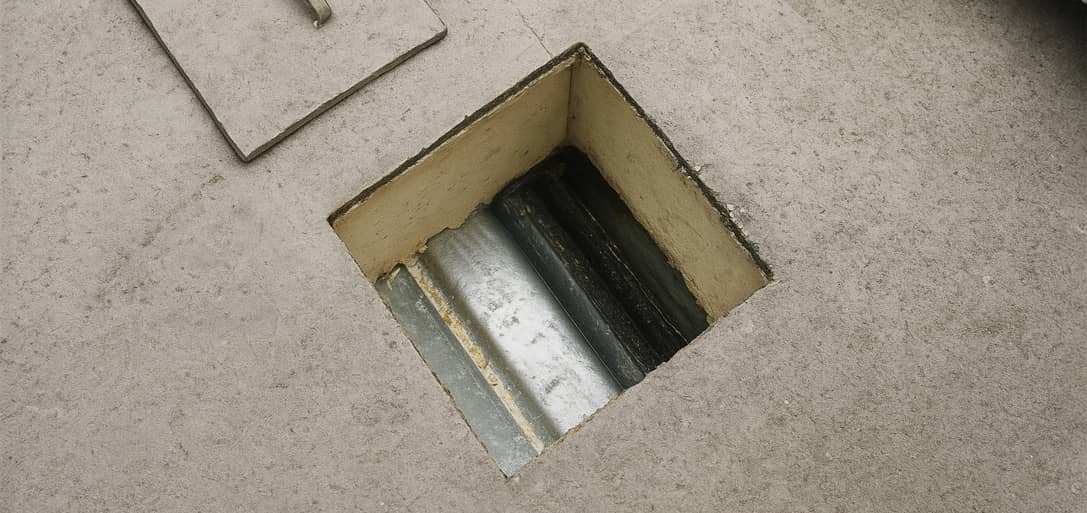
Core sampling provides a physical cross-section of your roof build-up, revealing material layers, moisture presence, and structural condition. This intrusive method is essential for understanding hidden defects, confirming the presence of asbestos fabric or material or RAAC, and verifying compliance with regulations. Core sample data is critical for planning repairs, upgrades, or full replacement strategies.
Fire Performance Reviews
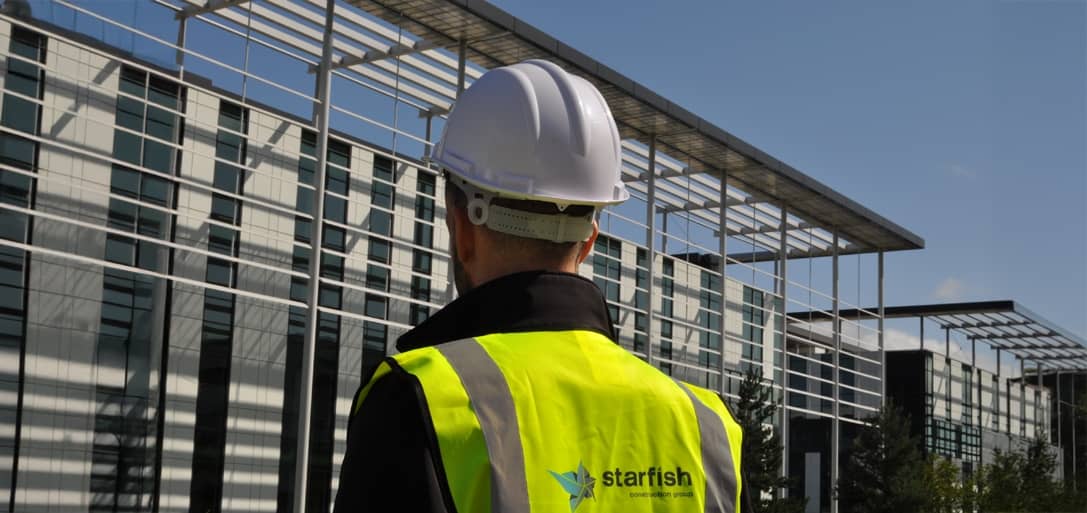
A fire performance review assesses the combustibility and fire resistance of existing roof materials and build-ups, identifying potential non-compliance with current building regulations. These reviews are crucial for safety in high-occupancy buildings and help inform remediation or re-cladding work required to meet legislative standards and ensure occupant protection.
Structural and Loading Assessments
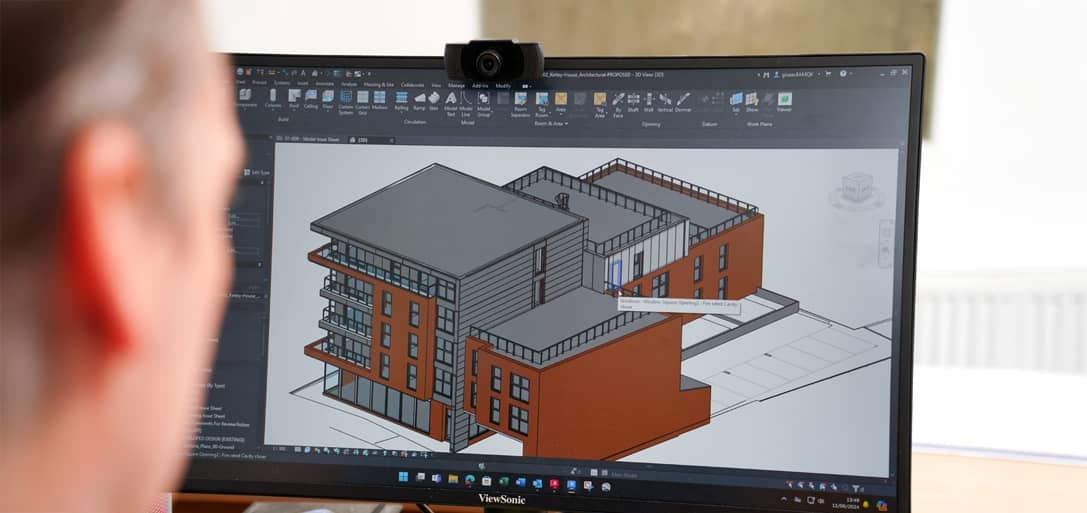
An assessment to evaluate the roof's ability to bear existing and potential future loads, including equipment, solar installations, replacement materials, or the introduction of dome roof lights or skylights. Structural and loading reviews are essential to confirm the integrity of the roof and supporting framework, prevent overloading risks, and support informed refurbishment or upgrade planning.
U-value Calculations
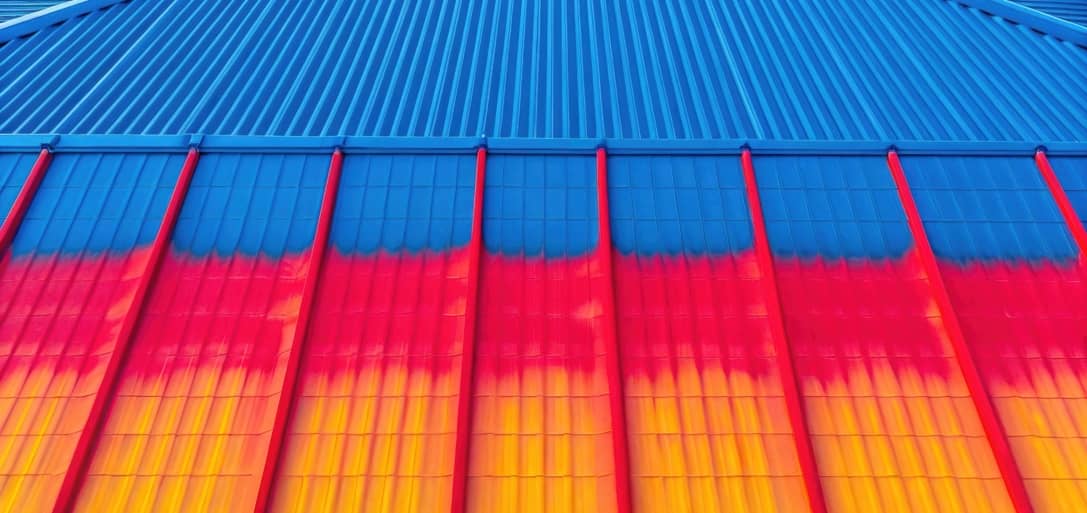
U-value calculations measure a roof's thermal performance by assessing heat transfer through the build-up. Accurate U-values help identify insulation inefficiencies, enabling you to meet regulatory energy standards and reduce operational heating and cooling costs. These calculations are critical for sustainability-led refurbishment strategies.
Condensation Risk Analysis
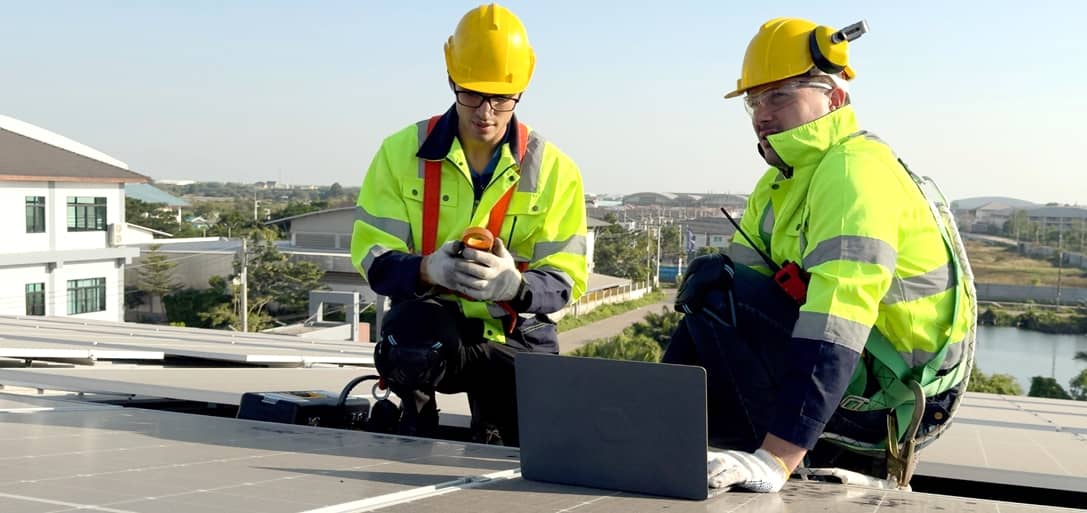
Through this survey technique, analysis results determine the risk of condensation forming within the roof structure, which can lead to moisture build-up, mould, and material degradation. By evaluating temperature, humidity, and material performance, this service supports the specification of appropriate vapour control layers and insulation, ensuring long-term roof health and occupant comfort.
Technical Reports that instil confidence.
A well-compiled technical report isn’t just a data record; it’s a powerful tool for stakeholder reassurance. We structure our reports to support building owners, asset managers, and property professionals in meeting the rigorous information requirements of insurance providers, building funders, and regulatory authorities. Each report provides evidence of existing roof conditions, risks, and recommendations, with supporting photography, survey data, and compliance insights, helping to:
- Justify claims or funding decisions with factual evidence
- Demonstrate proactive building maintenance and duty of care
- Meet regulatory frameworks such as the Building Safety Act
- Provide clear audit trails for future refurbishments or ownership transfers
Our technical reporting strengthens the case for action and investment, whether for remediation funding, capital allocation, or insurance risk profiling.