Façade Engineering

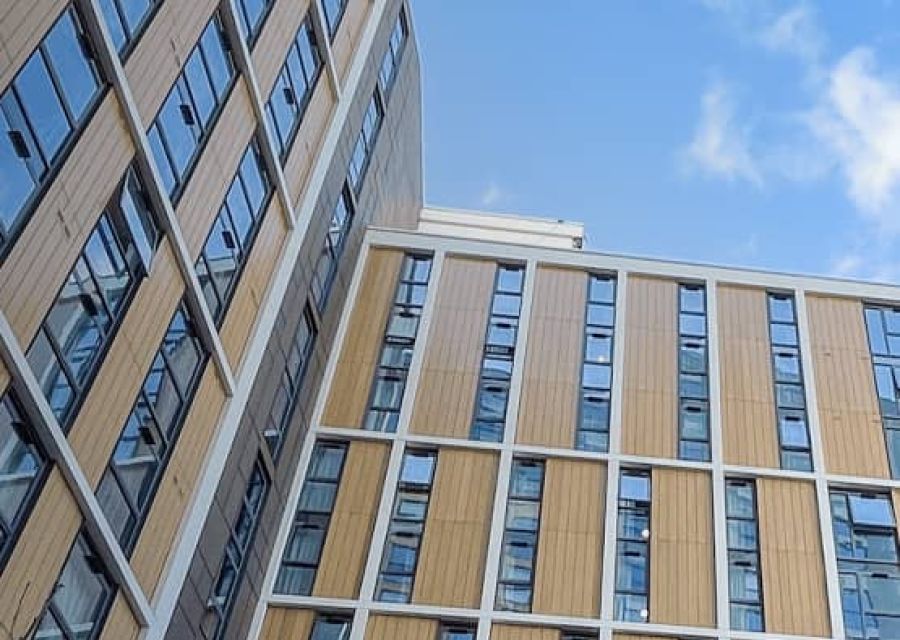
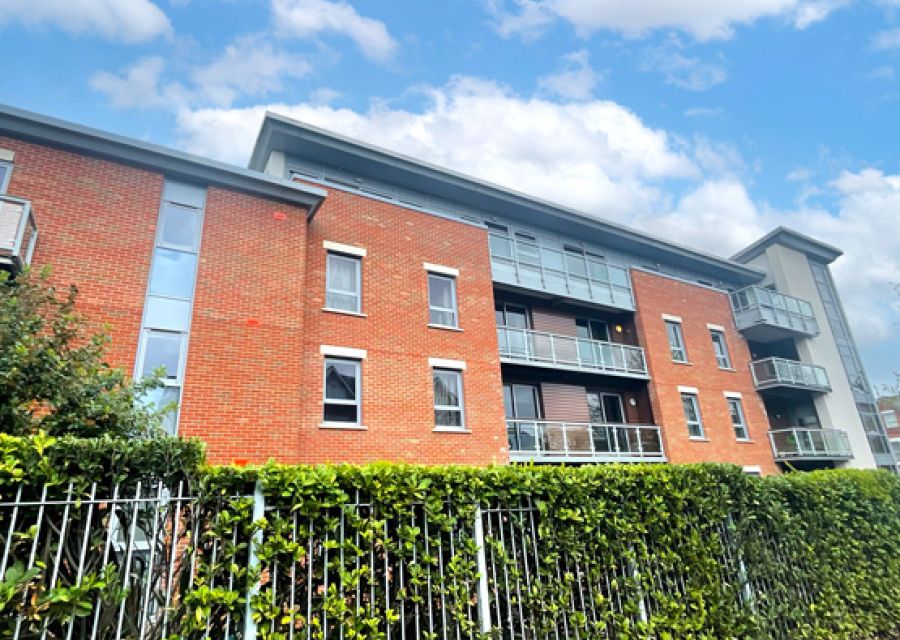
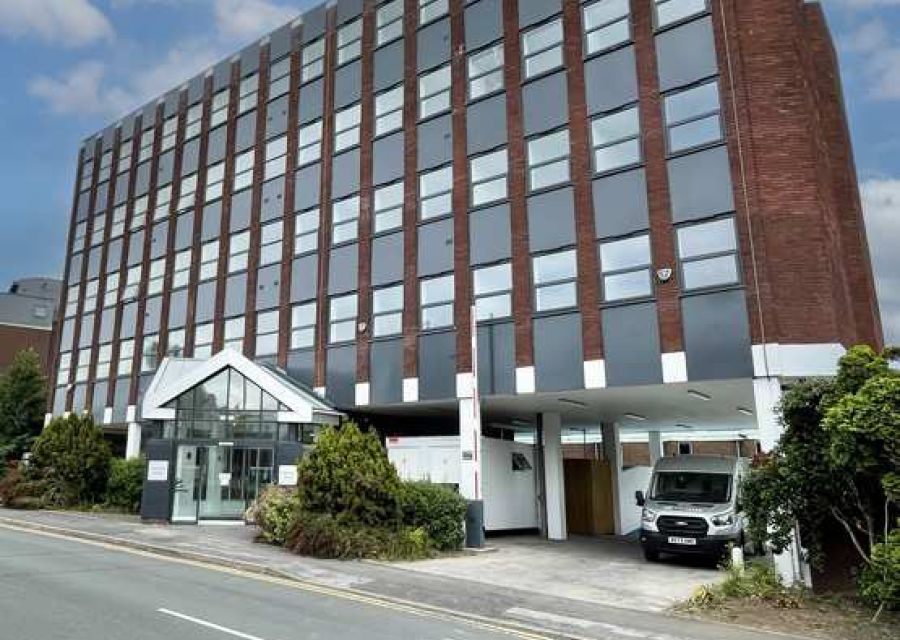
Façade engineering is critical to ensuring a building’s safety, compliance, energy efficiency, and long-term performance, but poorly designed or outdated façades present major risks. We specialise in façade engineering and remediation solutions that meet the latest safety regulations and align with Building Safety Act compliance.

Explore our façade remediation solutions below

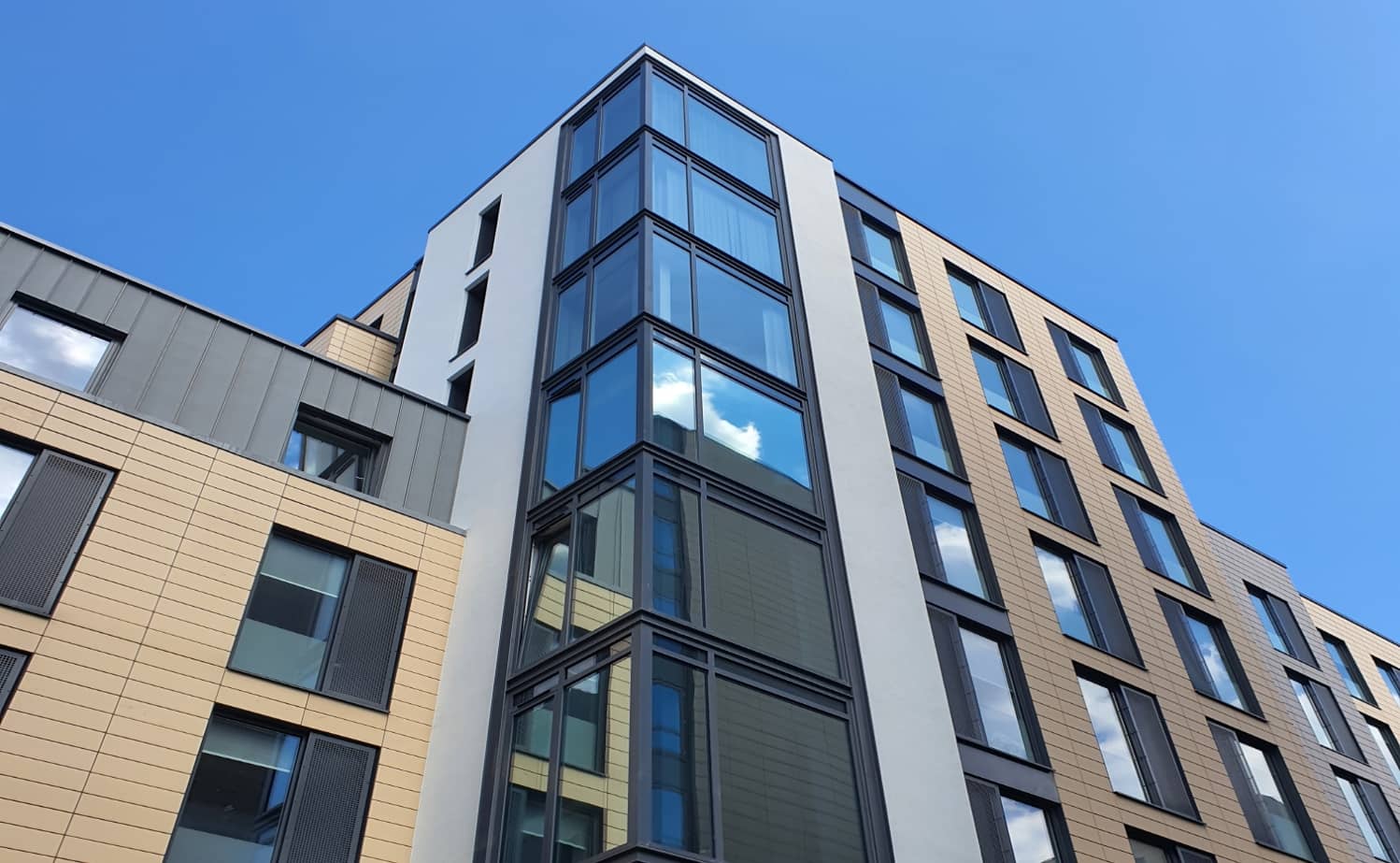
glass building against a blue sky

Façade Remediation to Enhance Building Envelope Performance

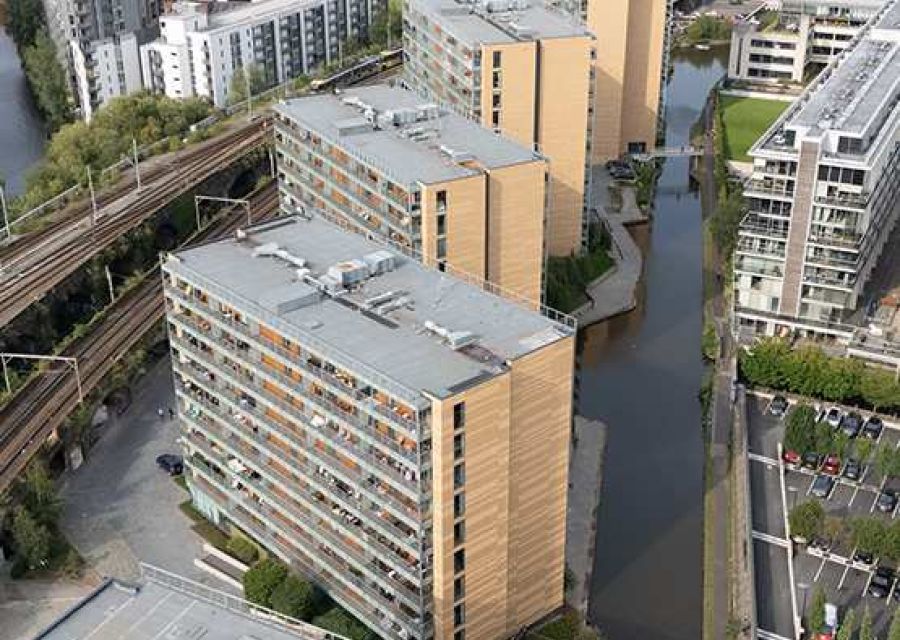
Our expertise covers building façade design, PCSA (Pre-Construction Service Agreement) management, commercial cladding safety assessments, material upgrades, and building facade restoration.

Our approach, processes and management ensure we deliver building control performance standards and regulations across all projects, from residential hi-rise accommodation to hospitals, contributing to a sustainable and resilient built environment. We’ve built our reputation through effective facade design and remediation, compliance, and successful stakeholder engagement and relationships.

Explore the areas of our façade management below

Knowledge and experience are critical factors to planning and managing façade projects

Façade management can often be a complex area of building envelope. However, our approach, processes and extensive knowledge across our integrated divisions, ensure our façade projects deliver optimal safety and performance and are designed and executed to the highest safety, environmental, and commercial standards.

Daniel Jessimer interview
quote decoration
“Working closely with, and supporting; duty holders, architects, surveyors, and property owners, our approach mitigates risk, enhancing the safety, performance and aesthetics of the UK’s façade built landscape.”

ADAM DENTON-BEAUMONT
MSC F-ENG (MERIT)
DIRECTOR, LONDON SOUTH BUSINESS HUB
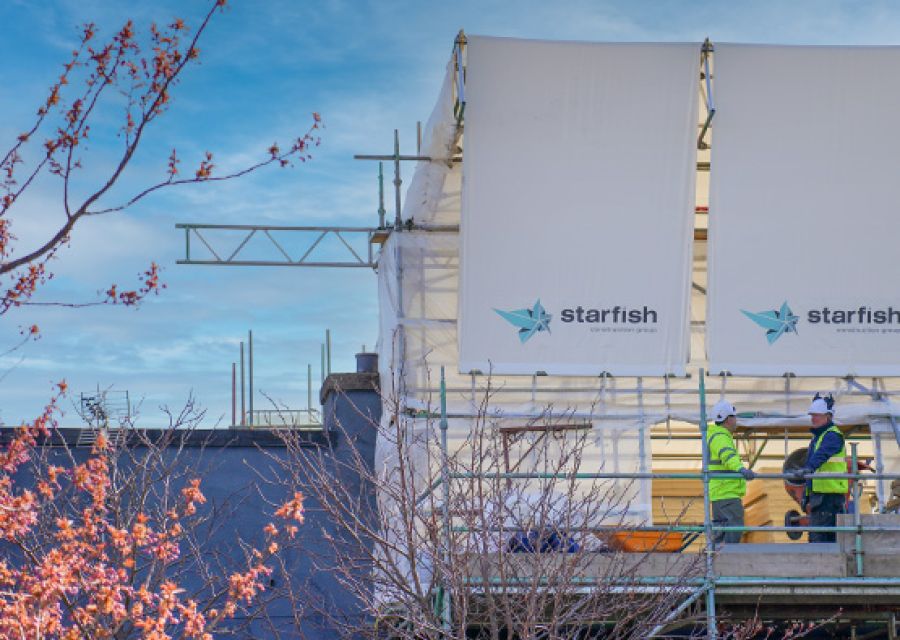
Our façade services are built upon a foundation of technical knowledge, regulatory understanding, and integrated project delivery. As part of our comprehensive approach, we begin by conducting detailed Façade Safety and Risk Assessments, identifying non-compliant materials such as non-fire-rated cladding, and evaluating any structural concerns that may compromise building safety. Informed by these assessments, our Façade Engineering Design specialists develop compliant, performance-driven solutions that align with current regulations and best practices. Every design is tailored to the specific needs of each building, understanding location, building use and occupants, ensuring safety, efficiency, and aesthetic integrity. Whether addressing legacy issues or delivering new build solutions, we install high-quality systems with precision and care. Throughout every stage, our Façade Project Management team ensures seamless coordination and execution using ProCore, our advanced digital project management platform. This enables real-time collaboration, transparent reporting, and efficient progress tracking across stakeholders and disciplines. Crucially, we also place strong emphasis on Resident and Community Engagement, using our Resident Hub portal to deliver clear, timely, and consistent communication to those affected by works. This transparent dialogue helps build trust and ensures that everyone remains informed and involved throughout the project lifecycle.

Façade Remediation FAQs

Undertaking a façade remediation project can be complex. We build trusted relationships with consultants and clients by guiding decisions through knowledge and experience. Below are some frequently asked questions and answers for you to explore, which will assist you in understanding your duty as a property owner or consultant, what to look out for and te potential action to take, ensuring your property asset is compliant.

Why should I appoint a Principal Designer and Principal Contractor for my façade remediation project?

Appointing a Principal Designer (PD) and Principal Contractor (PC) is a legal requirement under the UK's Construction (Design and Management) Regulations 2015 (CDM 2015) but also a strategic decision to ensure the safety and success of your façade remediation project.
Partnering with us as your PD and PC mitigates project risk. We assume the responsibility for planning, managing, and monitoring health and safety during pre-construction, coordinating the design work, identifying potential risks, and ensuring the project designers comply with their duties and regulations. As PC, we also oversee the construction phase, ensuring project work is safe and delivers building performance.
By appointing competent PD and PC roles, you ensure that health and safety considerations are integrated from the project's inception to completion, reducing the likelihood of accidents, delays, and additional costs.

What are common signs that my building's façade needs remediation?

Many elements and several indicators help suggest that a building's façade may require remediation:

  • Cracks or Spalling: Visible cracks or pieces of material detaching from the façade can indicate structural issues or material degradation.
  • Water Infiltration: Stains, mold, or dampness on interior walls may result from façade leaks.
  • Discolouration or Staining: Uneven colouration can indicate material weathering or pollution accumulation.
  • Sealant Deterioration: Aging or failing window sealants and deterioration of joints often reveal a building envelope's integrity may be compromised.
  • Energy Efficiency Decline: Increased heating or cooling costs and draughts may indicate inadequate insulation within the façade.

Addressing these issues promptly through professional assessment and remediation can prevent further damage, enhance building performance, and ensure occupant safety.

How often should façade inspections be conducted, and what's involved?

Regular façade inspections are essential for building safety, performance, and legal compliance. The frequency of inspections can vary depending on building type, location, and use, but a general best practice is to undertake inspections every 5 years. In the UK, guidance and requirements continue to evolve in response to high-profile incidents and increased scrutiny around building safety. For high-rise and high-risk buildings, legislation such as the Building Safety Act 2022 and fire safety regulations now emphasise the need for routine, documented inspections of external walls and associated systems.

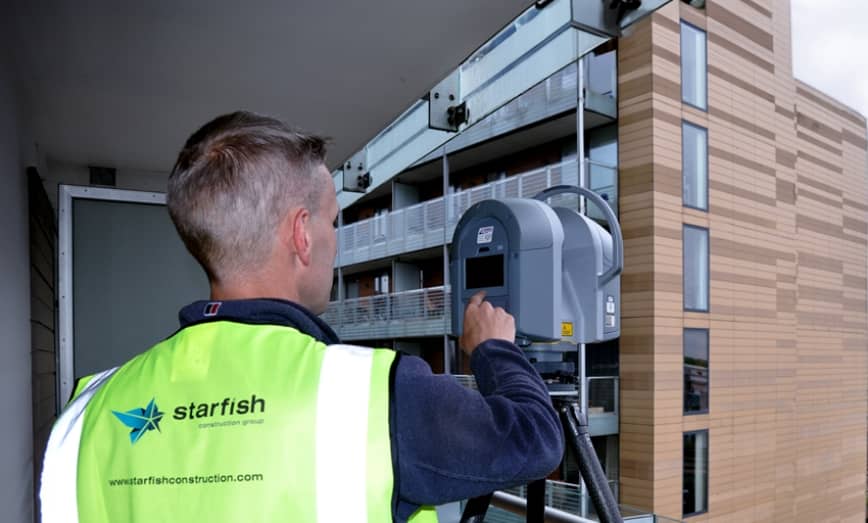
A typical façade inspection involves visually assessing the building's external envelope to identify signs of deterioration, such as cracks, corrosion, water ingress, or failing cladding systems. We can also conduct more in-depth assessments using drones, scanning, thermal imaging, or non-destructive testing.

These inspections are especially critical in identifying combustible or non-compliant materials, poor installation practices, and fire safety weaknesses—issues that can compromise a building's compliance and lives. Proactive façade inspections allow for early intervention, informed remediation planning, and alignment with statutory responsibilities for building owners and duty holders..

Is there funding for façade remediation?

Securing funding for façade remediation, particularly for buildings affected by fire safety risks, can involve regulatory assessments, applications to government schemes (such as the Building Safety Fund), and detailed planning. Navigating this landscape requires a technical understanding of the remediation work and a clear, evidenced case to support funding approval and stakeholder confidence.

We support clients from the earliest stages of façade remediation projects through our Pre-Construction Services Agreement (PCSA) framework. Our structured approach enables strategic planning and effective coordination before work begins. Through the PCSA, we work closely with clients to define project scope, conduct technical surveys, provide risk assessments, and produce cost analyses, all aligned with compliance and funding requirements.

Our experienced team provides detailed, factual report submissions for funding bodies, ensuring that accurate fire risk assessments, façade condition reports, and compliant design proposals support applications.

Who manages the fire safety aspects of façade and fascia remediation projects?

Fire safety in façade and fascia remediation is a critical and tightly regulated aspect of any building envelope project. Responsibility for managing fire safety elements typically involves collaborating with the Principal Designer, Fire Consultant, and Contractors, each playing a pivotal role in ensuring the remediation strategy fully complies with fire safety legislation and building regulations.

We work with qualified Fire Consultants who will assess the existing façade system, identify any combustible or non-compliant materials, and advise on suitable replacements. Assessments may include reviewing build-ups, junctions, cavity barriers, insulation, and fixings—all of which must meet the latest fire performance standards.

Materials used in remediation must be tested and classified in accordance with relevant standards, such as BS EN 13501-1 and BS 8414, and form part of a documented fire strategy. We ensure that fire test reports, compliance certificates, and manufacturer declarations support all products used in our remediation projects.

We coordinate with all relevant parties to develop and maintain a comprehensive fire safety file, which includes all testing data, fire assessments, and sign-off documentation. This file supports building owners, duty holders, and leaseholders in demonstrating compliance and achieving a safe, future-proofed outcome.

Explore Our Project Profiles

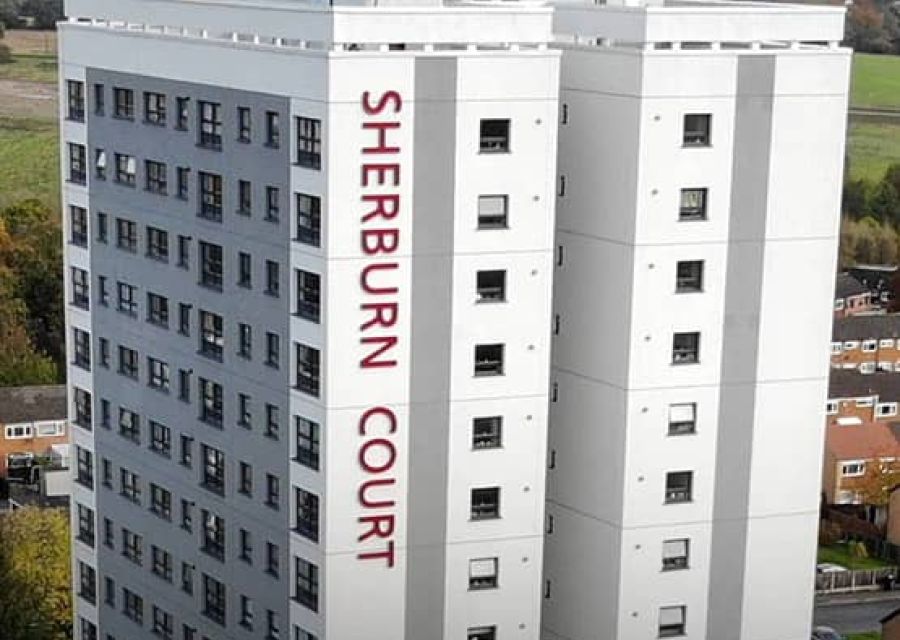
At Starfish Construction, our vast suite of Project Profiles demonstrate our continued and successful delivery of safe, sustainable, and compliant building envelope solutions across the UK. From high-rise residential and complex facade remediation programmes funded by the Building Safety Fund to commercial and industrial roofing projects, each showcases our commitment to quality, transparency, and building performance.