


Supporting You as Principal Designer and Principal Contractor

As Principal Designer (PD) and Principal Contractor (PC), we combine a depth of technical knowledge, regulatory expertise, and hands-on experience to ensure the safe, compliant, and efficient delivery of projects. Competency and compliance across the built environment is under greater scrutiny today. Across our integrated divisions, our experienced people lead on design coordination, risk elimination, and construction management, aligning every step of the process with the requirements of the Building Safety Act and CDM 2015. Our integrated approach ensures seamless communication across all stakeholders, maintaining the golden thread of safety information.

With our demonstrable track record in façade design and remediation, roofing, and complex building envelope projects, we provide confidence, clarity, and complete assurance from design through to construction and handover.

designers in a meeting looking at drawings
ACCOUNTABILITY, SAFETY, AND ASSURANCE

Why Principal Designer and Principal Contractor Roles Are Critical Today

The introduction of the Building Safety Act 2022, overseen by the Building Safety Regulator, has made the roles of Principal Designer (PD) and Principal Contractor (PC) legally mandated for all projects requiring building control, particularly for higher-risk buildings exceeding 18 metres. These roles provide a single point of accountability, ensuring competent and compliant planning and management of every aspect of design, safety, and construction to meet stringent regulatory building standards.

The PD and PC are fundamental to maintaining the “Golden Thread” of safety information throughout the project lifecycle, as they coordinate design compliance, safety, and technical documentation. Competence is critical, and clients are required to appoint PDs and PCs who meet the robust standards set out in PAS 8671 and PAS 8672, covering technical expertise, procedural rigour, and ethical responsibilities.

Trusted Leadership Across Building Design and Construction.

We bring together the expertise and leadership required to fulfil the statutory duties of Principal Designer (PD) and Principal Contractor (PC). Acting as a single, integrated partner, we guide projects from initial concept through to completion, managing compliance, safety, and technical precision at every stage. Our experience in each role has enabled us to deliver projects of scale and complexity, including the UK’s largest Building Safety Fund-funded residential façade remediation project, which consists of five high-rise tower blocks.

Joe Fay
quote decoration
“Acting as Principal Designer and Principal Contractor demands more than technical skill, it requires clarity, accountability, and a commitment to safeguarding every stage of the project, and people.”

JOE FAY
PRE-CONSTRUCTION COMPLIANCE & TRAINING
What you can expect from us as PD and PC?

Principal Designer: We manage the pre-construction phase with a focus on ensuring design compliance, mitigating risks, and facilitating effective coordination among all design teams. From our In-house façade design team to working closely with architects, engineers, and consultants, we identify and manage potential hazards, ensuring we embed safety and regulatory compliance into every detail of the design.

Principal Contractor: We take full responsibility for the construction phase, managing our directly employed personnel and supply chain trades, contractors, and all on-site activities, ensuring alignment with approved plans and regulatory requirements. Our Construction Phase Plans, Integrated Management Systems, Stakeholder and Resident Online Project Hubs, and health and safety management provide robust risk control.

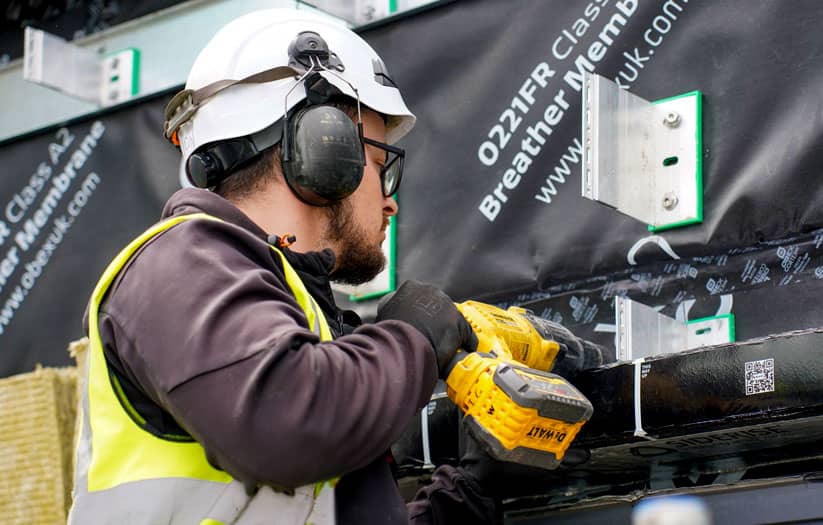
installing facade

PCSA and Gateway Submission Management

By combining both roles, we deliver seamless continuity between design and construction, reducing risks associated with handovers, improving communication, and ensuring all project milestones are achieved safely, on time, and with complete regulatory assurance.

Additionally, our extensive knowledge and experience with Pre-Construction Service Agreements and Gateway 1 and Gateway 2 submissions help clients navigate the complexities of the Building Safety Act and mitigate risk.

Explore our FAQs

Understanding the roles of CDM 2015 is critical to building safety and compliance. Whether you're planning a high-rise remediation or a complex refurbishment in a live environment, appointing the right Principal Designer (PD) and Principal Contractor (PC) is essential. At Starfish Construction, we support both roles, either independently or as a combined solution, ensuring a coordinated approach to pre-construction planning and on-site safety management.

Explore our most commonly asked questions below.

What is the role of a Principal Designer under CDM 2015?

The Principal Designer (PD) is the duty holder appointed by the client to lead and coordinate health, safety, and design risk management during the pre‑construction phase of a project. Their responsibility extends far beyond planning and monitoring, as they shape the integration of safety, buildability, and compliance into every stage of the design process.

Under the Construction (Design and Management) Regulations 2015, the PD must plan, manage, and monitor the pre‑construction phase. Still, they are also required to identify, eliminate, and control foreseeable risks, ensure that all designers meet their CDM obligations, and coordinate information between the client, designers, and contractors. They assist in preparing and maintaining the pre-construction information pack, advise on design decisions that could impact construction or building use, and ensure that relevant details are shared with the Principal Contractor for inclusion in the Health and Safety File.

At Starfish Construction, our role as Principal Designer is both technical and collaborative in nature. We bring together in-house specialists for façade, roofing, and building envelope to evaluate design safety, fire compliance, and material performance from the earliest stages. Working alongside clients, external architects, engineers, and fire consultants, we ensure that every design is deliverable, compliant, commercially viable and aligned with the Building Safety Act.

What is the role of a Principal Contractor under CDM 2015?

Under the Construction (Design and Management) Regulations 2015, the Principal Contractor (PC) is the duty holder appointed by the client to plan, manage, monitor, and coordinate the health, safety, and welfare of all works during the construction phase of a project. This role is a legal requirement with the involvement of more than one contractor on site.

The PC is responsible for preparing and implementing the Construction Phase Plan, ensuring suitable welfare facilities are in place from the outset, and managing all site-based health and safety arrangements. They must ensure contractors are competent and authorised, that risk assessments and method statements (RAMS) are in place, and that they have appropriately managed site inductions, supervision, and ongoing monitoring.

Principal Contractors also play a key role in ensuring effective cooperation between contractors and liaising with the Principal Designer to ensure the Health and Safety File is maintained and updated as the project progresses.

Clients trust us to manage the construction phase to the highest standards of safety, compliance, and stakeholder satisfaction.

What are the benefits of appointing the same organisation as both Principal Designer and Principal Contractor?

Appointing the same company to act as both Principal Designer (PD) and Principal Contractor (PC) offers numerous advantages, particularly for complex, compliance-led projects. This approach streamlines communication, reduces risk, and ensures continuity of health and safety leadership from design through to delivery.

Upon appointment to both roles, our teams are involved in early-stage planning, helping to shape a safe and buildable design that aligns with the Building Safety Act, Gateway requirements, and the project's safety strategy. With both PD and PC involvement from early project stages, we are positioned to provide knowledge that directly mitigates project risk from consultation, condition reporting and design through to the construction phase and final handover and reporting.

The result is a more coordinated process. There's no handover friction between design and delivery teams, and shared systems, documentation, and safety files are maintained throughout the project. Our systems, processes, and combined PD and PC status are particularly valuable in live environments or phased works, where the need for accuracy, consistency, and real-time updates is critical.

When should a Principal Designer and Principal Contractor be appointed?

Under CDM 2015, the appointment of a Principal Designer must be as early as possible in the pre-construction phase, ideally as soon as design work begins. The earlier the PD is engaged, the more effectively they can influence safe design decisions, eliminate foreseeable risks, and contribute to regulatory approvals such as Gateway 1 and Gateway 2 under the Building Safety Act.

The appointment of the Principal Contractor should occur before construction starts, but ideally during the pre-construction phase as well, especially if they are contributing to the Construction Phase Plan, logistics strategy, or procurement programming. Early engagement enables the PC to plan site setup, phasing, and stakeholder engagement in a manner that addresses safety-critical issues.

At Starfish Construction, we often provide both roles under a combined service solution or within a structured PCSA, ensuring that we're engaged from the beginning of the project lifecycle, guiding both design and delivery decisions in alignment with client goals, regulatory milestones, and occupant needs.
Delaying these appointments can lead to design gaps, compliance risk, or project delays, especially for higher-risk buildings. Early, competent appointments provide structure, coordination, and accountability.

What makes Starfish Construction a competent Principal Designer and Principal Contractor?

Competency in CDM duty holder roles is about legal compliance and possessing the technical knowledge, systems, and experience necessary to manage real-world project risks.

Our knowledge, experience, and integrated in-house divisions comfortably meet the requirements of the CDM 2015 Regulations by offering a blend of hands-on construction expertise, specialist knowledge of building envelopes, and structured HSQE systems.

As Principal Designer, we apply rigorous design reviews, coordination protocols, and project risk assessments that reflect real construction conditions. Our integrated service teams understand the practical challenges of façade remediation, roofing, and working in occupied or sensitive environments, allowing us to make informed, buildable design recommendations.

As Principal Contractor, we operate with robust on-site procedures, digital safety tools, structured resident liaison teams, online communication hubs, and experienced delivery teams.

What sets us apart is our ability to deliver both roles together, providing clients with a seamless, accountable, and trusted solution that spans the entire project lifecycle.